
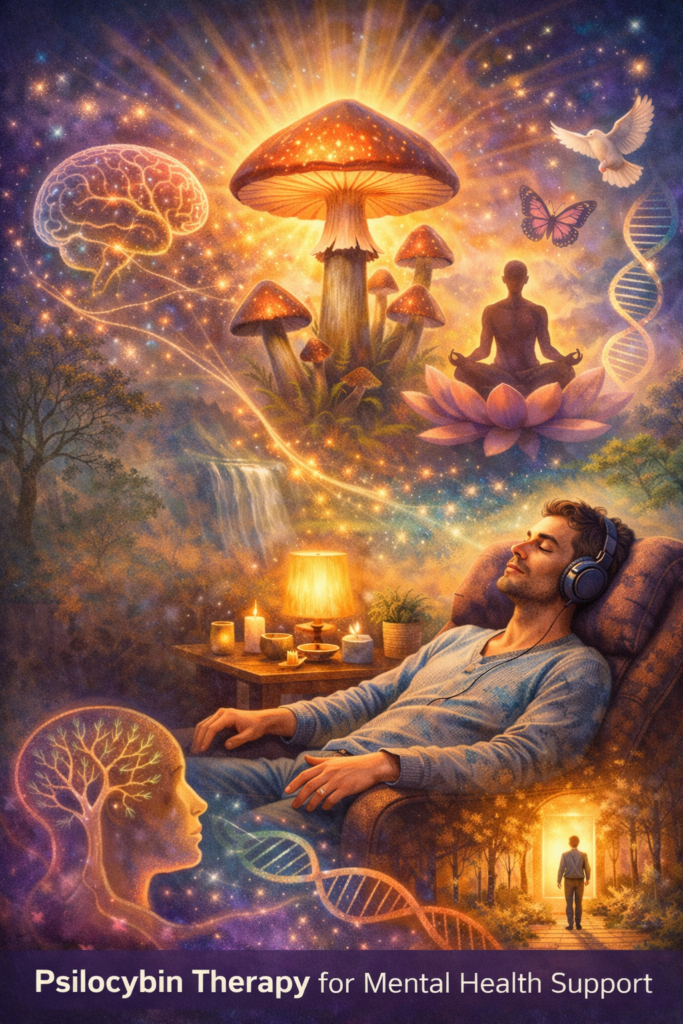
Psilocybin therapy is gaining attention as a promising option for individuals seeking psilocybin therapy for mental health support in a modern clinical setting. Psilocybin therapy for mental health support is now being explored in controlled environments as researchers and clinicians look for new ways to address conditions like depression, anxiety, and PTSD.
Understanding Psilocybin Therapy
Psilocybin is a naturally occurring compound found in certain types of mushrooms. When used in a therapeutic context, it is administered under professional supervision to help patients explore deep emotional and psychological patterns.
Unlike traditional treatments that may focus on symptom management, psilocybin therapy aims to address underlying causes. This approach often combines guided sessions with psychotherapy, creating a structured and supportive environment.
How It Works
Psilocybin interacts with serotonin receptors in the brain, particularly those linked to mood and perception. This interaction can lead to:
- Enhanced emotional awareness
- Reduced negative thought patterns
- Increased openness and mental flexibility
For many individuals, psilocybin therapy for mental health support offers a different perspective that can lead to meaningful breakthroughs.
Benefits for Mental Health
Research in the United States has shown encouraging results, especially for people who have not responded well to conventional treatments.
Depression and Anxiety Relief
Clinical studies suggest that psilocybin therapy may help reduce symptoms of major depressive disorder and anxiety. Patients often report long-lasting improvements after just a few sessions.
Support for PTSD
Therapy sessions can help individuals process traumatic memories in a safer and more controlled way. This can lead to reduced emotional distress and improved coping mechanisms.
Improved Emotional Well-Being
Many participants describe a renewed sense of purpose, connection, and clarity following treatment. This makes psilocybin therapy for mental health support an appealing option for those seeking holistic healing.
Safety and Legal Considerations
While the potential benefits are promising, psilocybin therapy is not yet widely accessible across all states in the U.S. However, some regions are moving toward regulated therapeutic use.
Controlled Environment
Treatment is conducted in a supervised setting with trained professionals. This ensures:
- Proper dosage control
- Emotional guidance during sessions
- Safe integration of the experience afterward
Ongoing Research
Medical institutions continue to study the long-term effects and safety of psilocybin therapy. As awareness grows, so does the importance of reliable educational guides on psilocybin use to help individuals make informed decisions.
The Future of Psilocybin Therapy
The future looks promising as more research supports the effectiveness of this approach. Regulatory changes and increased public awareness may soon make it more accessible across the United States.
Integration into Modern Healthcare
Experts believe that psilocybin therapy could become part of mainstream mental health treatment. It may be used alongside traditional therapies to provide a more comprehensive care model.
Growing Demand for Knowledge
As interest rises, people are actively searching for educational guides on psilocybin use to better understand its benefits, risks, and applications. Access to accurate information is essential for safe and responsible use.
Conclusion
Psilocybin therapy represents a shift in how mental health conditions are approached. By focusing on deeper emotional healing rather than surface-level symptoms, it offers a new pathway for recovery. While more research and regulation are needed, early findings suggest strong potential.
For those considering this option, exploring trusted educational guides on psilocybin use can provide valuable insights. As awareness continues to grow, psilocybin therapy for mental health support may become an important tool in the future of mental healthcare.
FAQs
Is psilocybin therapy legal in the United States?
It depends on the state. Some areas allow regulated use, while others still classify it as a controlled substance.
How many sessions are typically required?
Many treatment plans involve a few guided sessions combined with preparation and integration therapy.
Is psilocybin therapy safe?
When conducted in a controlled clinical setting, it is generally considered safe. Professional supervision is essential.
Who can benefit from psilocybin therapy?
Individuals dealing with depression, anxiety, PTSD, or emotional distress may benefit, especially if other treatments have not worked.
Where can I learn more?
Reliable educational guides on psilocybin use are a great starting point for understanding the therapy, its risks, and its potential benefits.