
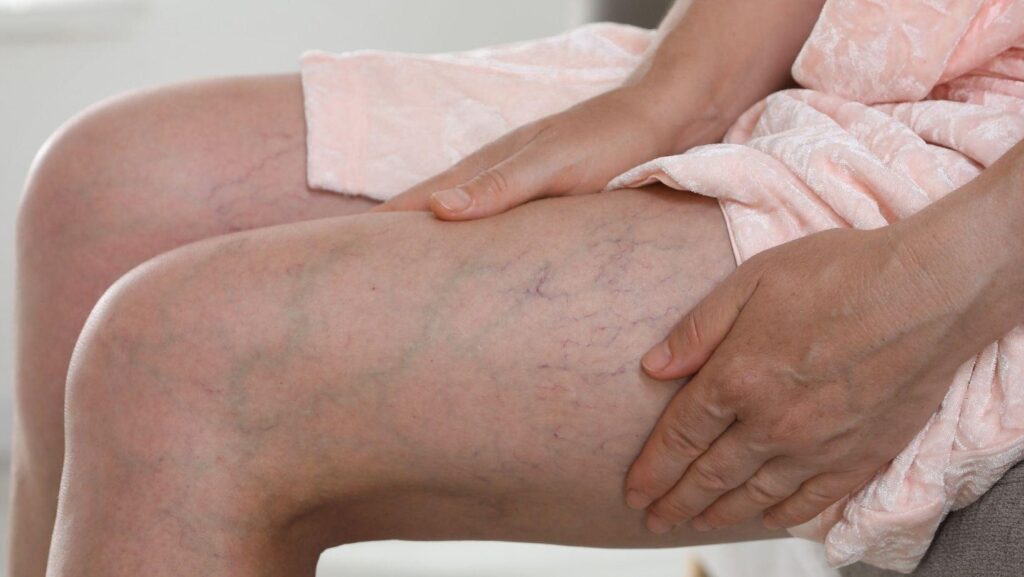
Millions of individuals worldwide suffer from chronic vein conditions but this disorder is instead often misperceived as an appearance issue. In fact vein disease is a very prevalent disease that can consume physical health, emotional wellness, mobility and general quality of life. Symptoms like swelling, aching legs, heaviness, fatigue and visible Varicose veins can slowly begin to disrupt daily routines and restrict a person from staying active and comfortable. Modern healthcare has moved beyond just treating the most observable symptoms of chronic vein conditions. The effective vascular care component is on its way to becoming a whole-person approach that considers lifestyle, circulation, emotional health and long-term wellness.
This more encompassing approach is a way of focusing less on providing short term symptomatic relief, and much more towards long-term health and daily function improvements. Incorporating medical intervention and preventive measures with patient education reinforces physical recovery along with emotional health.
Understanding Chronic Vein Conditions
After oxygen has been delivered to the tissues throughout the body, blood returns to the heart via veins. The little valves in healthy veins inspect blood flow and keep the blood movement in one direction or to prevent backwards movements. If these valves weaken or get damaged then blood may start to pool inside the veins mainly while you are standing or sitting down for a long period of time (e.g. in lower legs). In turn, this can result in venous insufficiency which will cause the development of varicose veins, spider veins and many other circulation-related disorders.”
Chronic vein disease has some reasons for development such as heredity, aging, obesity, pregnancy, long-standing or sitting, and inactivity. Symptoms may start out low but can slowly get worse if left untreated.
Most people ignore vein signs thinking that it is just a normal symptom of aging and fatigue. On the flip side, the lack of treatment for vein disease may result in continued pain, skin alterations, a verdant growth or ulceration and profuse ambulation. Treating the disease early upon recognizing its occurrence will help avoid complications and improve vascular health in the long run.
Looking Beyond Physical Symptoms
Conventional methods for treating veins typically only targeted the visible vessels or only focused on decreasing local symptoms. In the past it used to be important that symptom management but now health care professionals are even more aware of chronic vein condition and how it causes a whole lot of effects other than blood circulation alone.
Chronic pain, swelling and decreased ability to move may have impacts on emotional and mental health. People who suffer symptoms of chronic vein disease tend to avoid even the most basic physical activities, social interactions or wearing their favorite clothing due to pain and self-image regarding their legs. Over time, these limitations can lead to frustration, decreased confidence and impaired quality of life.
Low blood circulation is also a complaint that makes you feel tired. Countless patients suffering from chronic vein disease have unnaturally heavy, tired legs as their symptoms get worse by the end of the day with even routine tasks becoming more exhausting than they should be. Such physical strain can slowly take its toll on sleep quality, productivity and general health.
A whole-person approach recognizes these wider impacts and seeks to enhance not just vascular function but also comfort, confidence, mobility and emotional wellbeing.
Modern Treatments for Vein Conditions
New approaches for treating chronic problems of the veins based on advances in vascular medicine. Today, doctors are able to repair a damaged vein through modern minimally invasive procedures that involve less pain, shorter recovery periods and minimal disruption with daily activities.
Endovenous laser therapy, radiofrequency ablation, sclerotherapy: Closing down or eliminating circulation through problematic veins to enhance healthy blood flow. Such treatments are usually done in an outpatient setting, utilize local anesthesia and enable patients to go home soon after the treatment.
Minimally invasive care is starting to spur more people to seek treatment sooner than they once did, since no one puts it off anymore for fear of surgery or prolonged recovery. Patients often notice dramatic relief of leg pain, swelling, heaviness, and mobility post-treatment which can improve both physical and emotional health.
Upon their search for specialized vascular care, patients may also wish to speak to Board-Certified Vein Doctors in Winter Park who can discuss cutting-edge treatment methodologies that are designed to promote endurance of circulation health and patient-centered recovery.
Role of Lifestyle and Preventive Care in Vein Health
Aside from your medical procedures, a whole-person approach to vein care. Appropriate lifestyle has an important role not only in controlling the symptoms but also in preventing the progression of diseases. Because physical activity helps the leg muscles pump blood back toward the heart, regular movement is among the most powerful ways to promote circulation.
Gentle exercise like walking, stretching, swimming, even low-impact aerobic exercise can get your blood moving while putting less pressure on the veins. For those people with sedentary jobs, getting up every so often to move during the day may help prevent circulation issues that can arise from long periods of sitting.
The connection of nutrition and hydration to vascular health is also profound. Eating an anti-inflammatory diet that focuses on fruit, vegetables, lean protein and healthy fats can decrease inflammation and provide the body with support for blood vessel function. Keeping a healthy weight relieves excessive stress on the veins and can enhance blood flow over time.
Compression therapy is another important technique for managing symptoms. Compression stockings exert gentle pressure on the legs, which can help improve circulation and reduce swelling. The shoes are often used as a part of the comprehensive treatment for people that suffer from chronic venous insufficiency or varicose veins, after being recommended by physicians.
Medical treatment provides unique aspects of care; however when combined with improved patterns of daily living it can assist patients in long-term recovery and with life enhancement.
Emotional Wellness and Patient-Centered Care
Do not disregard the emotional effect of chronic vein disease. Suffering with chronic low-level symptoms (such as discomfort or changes in vein appearance) can lead to lower confidence, social withdrawal and depressed mood. Today, there is more awareness of the need for patient centred care which incorporates emotional issues as well as physical ones.
Patients and healthcare suppliers interact openly to assist them perceive their sickness, therapy choices, and future expectations. Reducing anxiety (and improving patient satisfaction) is often achieved by keeping your patients informed and involved in the treatment process.
Supportive care also inspires patients to work towards long-term health instead of focusing on temporary symptom relief alone. By taking the whole person approach to care —as opposed to just parts of their experience applying treatment that is more tailored and individualised effective.
Conclusion
Chronic vein problems are a lot more than leg show off. They can affect circulation, energy and housing, motion, emotional healthiness and even astronomical first-rate lifestyles. Vein care is a whole-person approach because successful treatment comes when providers treat more than surface symptoms. Caring for yourself is not exclusively a matter of maintaining physical fitness.
With state of the art minimally invasive treatments, prevention, and attention to patient centered care and support; even chronic vein disease can be managed effectively so that improvements in comfort from pain & discomfort, self-esteem & confidence, as well as meaningful improvements in day-to-day function are accomplished. Healthcare is evolving, and whole-person vascular care can be a better, more humane way to heal from the symptoms.