
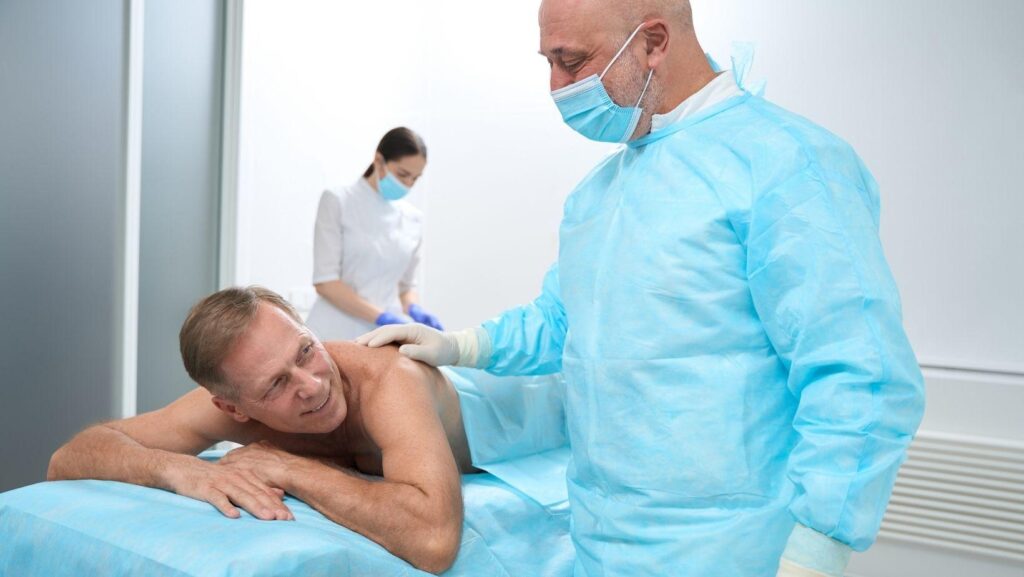
Over the last few decades, healthcare has changed a lot from aggressive surgery to advanced, and patient centered treatment. Minimally invasive procedures are perhaps the most impressive advancement within contemporary medical practice to date, focusing on a decrease in physical trauma and recovery time whilst enhancing patient outcomes overall. Such techniques are now implemented throughout multiple specialties including cardiology, orthopaedics, vascular medicine, gastroenterology and aesthetic ranges.
Minimally invasive medicine is emblematic of a larger philosophical movement in healthcare. Instead of only treating disease, health care providers should strive to make patients more comfortable during recovery, guarantee a smooth experience and promote quality of life in the future. With advances to medical technology, patients are able to have more effective treatment options that have steps available that may be safer and less invasive than traditional surgery and allow for a return to normal activities much sooner.
Understanding Minimally Invasive Medicine
Minimally invasive medicine is the use of procedures that involve smaller incisions, specialised instruments as well as imaging technologies for diagnosing or treating medical conditions. Minimally invasive surgery, on the other hand, is designed to reach similar results or even better while placing less strain on the body than traditional open surgery that could contain large incisions and lengthy hospital stays.
These procedures frequently utilise catheters, lasers, endoscopic devices or ultrasound-guided methods. Many procedures can be done as outpatient cases with local and not general anesthesia, rendering them less intimidating for patients.
Punchline: The attraction of minimally invasive medicine extends not just the medical outcomes but also the patient experience. These procedures are increasingly being used by both physicians and patients because there is less pain, shorter recovery time, smaller scars and fewer complications.
Growth of Muscles and Speedy Recovery
The recovery time is much quicker due to the minimally invasive nature of these procedures. Conventional surgeries can take many weeks (if not months) of healing time in the affected area, which is significant tissue damage. Unlike the previous treatments, minimally invasive procedures are less traumatic. It means smaller incisions that cause lesser damage to muscles and tissues around it, which allows the patient’s body to recover faster as an option.
Patients typically have less postoperative pain and a reduced need for prescription pain medications in recovery. Relief of I.P has the potential to facilitate early ambulation because patients are less dependent on narcotic medications, minimizing complications related to extended period bed rest & inactivity.
Patients also benefit emotionally and financially from faster recovery times. Most people can return to work, family obligations and day-to-day activities much quicker than they could after traditional surgery. A decrease in time spent as an inpatient may also lead to a reduction in healthcare costs overall, combined with decreased dislocation of personal life and loss in productivity.
You can not forget the psychological benefits as well. Those patients who are aware that they can heal fast, generally remain less anxious about taking the treatment and tend to seek medical advice sooner rather than delay.
Improved Precision Through Advanced Technology
Technical innovation has been a mainstay in modern minimally invasive medicine. High-Definition Imaging Systems, Robotic surgery devices, Ultrasound Guided Technology and Laser technology have substantially increased the accuracy involving medical processes. Physicians can now achieve increased diagnostic accuracy in diagnosing and treating conditions while reducing collateral damage to normal tissues.
The precision can be uniquely important in vascular medicine, a field where tailored interventions can relieve symptoms and improve blood flow without an extensive program of surgical intervention. More advanced conditions like varicose veins and chronic venous insufficiency are now being treated with minimally invasive techniques that utilize thermal energy, ultrasound guidance, or even specialized catheters to ablate the affected vein.
Patients exploring the treatment options offered by Fort Vein Care can learn more about modern minimally invasive vascular procedures designed to improve comfort and recovery outcomes.These contemporary modalities enable patients to feel better whilst allowing for recovery without interruption in a non-invasive manner.
Imaging technology improvements has made patient safety better as well, allowing physicians to monitor procedures in real time. Having this increased visibility minimizes the chances of complications and helps achieve more uniform treatment results.
Enhancing the Overall Patient Experience
Minimally invasive medicine widely improves the patient experience, an increasingly central focus for modern healthcare. Traditional surgical procedures can be mentally and physically taxing because of extended stays in the hospital, visible scars and recovery times that last for days or weeks. Doing so allows an easier treatment process that is minimally invasive in several instances.
The reduced scarring or smaller incisions are critical advantages when surgery involves visible parts of the body. Decreased tissue trauma not only addresses aesthetic issues, but also leads to less swelling, bruising, and postoperative pain.
Many minimally invasive procedures are also performed on an outpatient basis, making them even more convenient. Patients can be treated and sent home on the same day, meaning long hospital stays are avoided. This can help people feel more relaxed and recuperate in familiar ground instead of staying in a clinical setting.
Along with all this emerged advances in communication between physicians and patients.
Expanding Applications Across Medical Specialties
Minimally invasive techniques are now available for more than a handful of conditions. This is what they are training on nowadays and being utilized in various specialties including cardiology, oncology, orthopedics, dermatology. Heart applications (eg, angioplasty), arthroscopically accompanied joint repairs, and laparoscopic abdominal surgical treatments have greatly reduced the healing burden of patients without sacrificing characteristic effectiveness.
Minimally invasive biopsies and targeted therapies improve diagnostic accuracy and assist physicians in managing the disease with reduced adverse effects by characterizing cancer, especially its underlying molecular features. Endoscopic procedures for gastrointestinal conditions offer minimally invasive alternatives to more major surgery. Minimally invasive procedures that concentrate on quicker recovery and a more natural outcome are even still the trend in cosmetic and regenerative medicine.
As technology advances even more, the list of ailments that can be treated by less invasive methods will most likely expand. In the future, these treatments will likely be made even more effective and accessible with artificial intelligence, robotic assistance, and improved imaging systems.
Conclusion
This in turn has made the healthcare experience better: providing a safer, faster and more patient-friendly alternative to traditional surgery with minimally invasive medicine. They also serve to minimize pain, increase recovery speed, and maximize patient satisfaction.
Apart from the physical advantages, these minimally invasive approaches foster emotional wellness by minimizing fear, pain and an interruption of normal life. Modern patients are not just looking for treatment relating to the pathology, but want answers that preserve mobility, independence and quality of life whilst recovering.
With the evolution of medicine into modern times, minimally invasive medicine will continue leading safe and effective treatment solutions to patients so that they can more comfortably, confidently and healthily present here for years to come.