
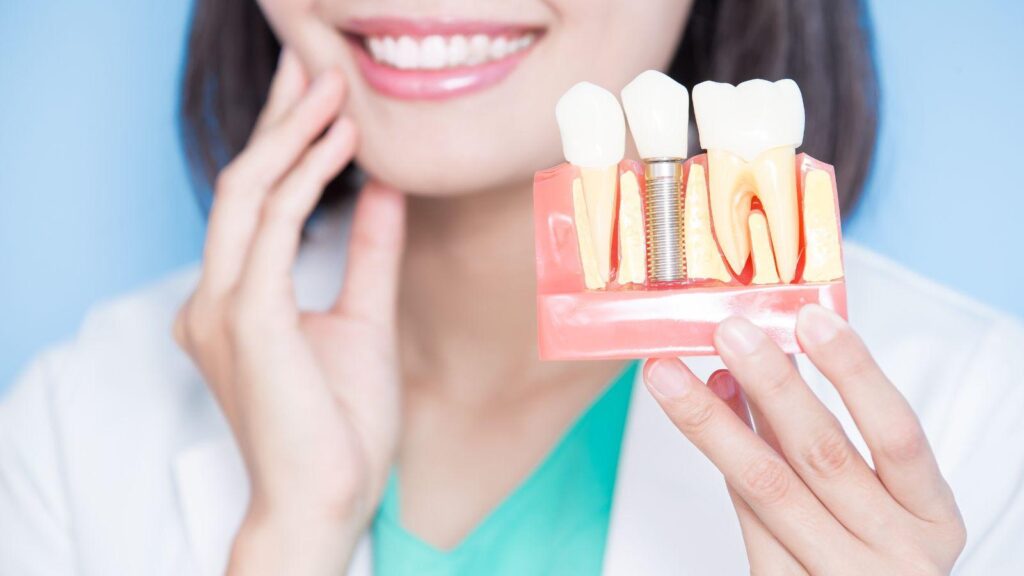
Losing a tooth in Chula Vista affects more than your smile — it changes how you eat, sleep, and how nearby teeth and bone hold up over time. Delaying teeth replacement in Chula Vista, California, often raises long-term costs, increases health risks like bone loss and infection, and limits restoration options that would have been simpler and less expensive if done sooner.
This post walks through the oral, general health, financial, emotional, and functional consequences of waiting. It compares replacement options available locally (including implants and implant‑supported dentures) and explains how choosing the right Chula Vista dental team influences outcomes.
You’ll get clear steps and local resources so you can weigh immediate costs against the bigger picture for your health and budget.
Oral Health Consequences
Delaying tooth replacement leads to concrete structural and hygiene problems that change how your mouth functions and looks. You face bone loss, tooth movement, higher gum-disease risk, and harder daily cleaning that all make future treatment more complex and costly.
Bone Loss in the Jaw
When a tooth is missing, the jawbone where the root used to be stops receiving normal chewing forces. Bone remodels in response to load; without stimulation, you can lose height and density in that localized area within months.
Loss of bone changes the contours of your jaw and lower face. That affects where future implants can be placed and often requires bone grafting, which increases treatment time and cost.
In Chula Vista’s climate and typical dental network, timely implant placement avoids many grafting procedures. Bone deterioration also weakens support for adjacent teeth.
If you plan to get an implant later, your dentist or oral surgeon will assess bone volume with imaging and may recommend grafting, sinus lifts, or alternative prosthetic choices if loss is advanced.
Shifting and Misalignment of Teeth
Adjacent and opposing teeth move into the empty space soon after extraction. Teeth can drift, tip, or over-erupt into the gap, altering your bite in weeks to months.
These movements create gaps, crowding, and changed contact points that increase chewing inefficiency and uneven wear. You may notice difficulty biting, new sensitivity, or food trapping between shifted teeth.
Orthodontic correction or restorative work often becomes necessary to reposition teeth before placing a bridge or implant. That adds months of treatment and extra cost compared with replacing a missing tooth promptly.
Increased Risk of Gum Disease
Open spaces and altered tooth contacts make plaque control more difficult. Plaque buildup near the gap irritates gums, increasing the chance of gingivitis and progression to periodontitis.
As gum disease advances, it destroys the supporting tissues around neighboring teeth and accelerates bone loss. You might see bleeding when brushing, receding gums, or persistent bad breath.
Professional cleanings, periodontal therapy, and possibly surgery are more likely if you delay replacement. Managing active gum disease before restorative work also extends treatment timelines and raises expenses.
Difficulty Maintaining Oral Hygiene
Missing teeth change how you brush and floss effectively. Floss may not pass cleanly through widened spaces, and toothbrush bristles miss interdental areas created by shifting teeth.
These hygiene gaps trap food and bacteria, increasing decay risk on neighboring teeth. You may need special aids—interdental brushes, water flossers, or professional prophylaxis—to control plaque where routine methods fail.
If you develop complex restorations later (bridges, implants, or crowns), your daily cleaning needs become more meticulous. Poor maintenance can compromise those restorations, requiring repairs or replacements sooner than expected.
Impact on General Health
Missing teeth can change what you eat, increase risks for other medical conditions, and drive ongoing inflammation that affects your whole body. These effects occur because tooth loss alters chewing, exposes gum tissue to bacteria, and changes how your jaw and adjacent teeth function.
Nutritional Deficiencies
When you lose teeth, you likely avoid foods that require strong chewing—raw vegetables, nuts, and certain fruits—because they feel painful or awkward to eat. That shift reduces intake of fiber, vitamin C, potassium, calcium, and plant-based proteins that support bone and immune health.
If you replace those foods with softer, processed options, your diet often becomes higher in refined carbohydrates and saturated fats. Over weeks to months this can lower micronutrient status and impair wound healing after future dental procedures.
Talk with your dentist or a registered dietitian about temporary dietary strategies and prosthetic options that restore chewing efficiency. Simple changes—blending raw produce into smoothies, choosing softer high-protein foods, or getting a partial denture—can protect your nutrient intake until a permanent solution is placed.
Higher Risk of Systemic Conditions
Tooth loss and poor oral function raise the chance that you’ll develop or worsen systemic conditions such as type 2 diabetes, cardiovascular disease, and respiratory infections. Chewing impairment limits intake of cardioprotective foods and may increase glycemic variability when you rely on refined carbs.
Also, gaps from missing teeth create niches where bacterial biofilms thrive. Those oral pathogens can enter the bloodstream during daily activities, contributing to arterial inflammation and increasing risk for atherosclerosis and endocarditis in vulnerable individuals.
Managing tooth loss promptly—through implants, bridges, or well-fitted dentures—reduces bacterial reservoirs and helps restore dietary patterns that support metabolic and cardiovascular health. Coordinate care with your primary care provider if you have diabetes, heart disease, or immunocompromise.
Chronic Inflammation
Exposed gum tissue and difficulty cleaning around missing-tooth sites increase local bacterial load and promote gingival inflammation. That chronic oral inflammation releases cytokines such as IL-6 and TNF-alpha, which can spill into systemic circulation.
Persistent low-grade inflammation links to fatigue, poorer glycemic control, and slower recovery from illness or surgery. It can also worsen inflammatory conditions you already have, like rheumatoid arthritis, by maintaining a pro-inflammatory baseline.
Regular professional cleanings, targeted local treatments, and timely tooth replacement reduce the bacterial burden and help lower inflammatory markers. If inflammation persists after replacement, your dentist can guide adjunct therapies and coordinate with medical providers for anti-inflammatory management.
Financial Implications of Waiting
Delaying tooth replacement in Chula Vista can increase your immediate bills, reduce insurance support, and create the need for extra surgical or restorative work later.
Escalating Treatment Expenses
A small, timely procedure can cost a few hundred dollars today but become thousands if you wait. For example, a $150–$300 filling or minor restorative work can progress to a root canal and crown that total $2,000–$3,500, or to an extraction plus implant and crown that range from $3,000–$6,000 in the local market.
Bone loss and shifting teeth increase complexity and time for treatment. That raises lab fees, surgical fees, and follow-up appointments, and you pay for each.
You also risk paying for temporary solutions—like removable partials or temporary bridges—that add recurring costs while you defer definitive care.
Insurance Coverage Limitations
Your dental plan may cover preventive care well but limit benefits for replacements and major surgery. Many policies have annual maximums ($1,000–$1,500 typical) that you can exhaust quickly with a single implant or crown, leaving the remainder out-of-pocket.
Waiting can also push treatment into a new policy year with different benefit structures or waiting periods. If your employer changes plans or you switch insurers, pre-existing condition rules or new waiting periods may reduce coverage for the procedures you now need.
Potential Need for Additional Procedures
Delaying replacement often necessitates extra procedures that increase total cost and recovery time. Common add-ons include bone grafting to restore lost ridge height, sinus lifts for upper implants, orthodontic work to correct drifted adjacent teeth, and extractions of non-restorable teeth.
Each additional procedure requires separate fees, sometimes specialist referrals, and multiple healing stages. That stretches treatment over months and multiplies chair time charges, imaging costs (CBCT scans, periapical X-rays), and anesthesia or sedation fees.
Emotional and Social Effects
Missing teeth can change how you feel about yourself, how you speak, and how you interact with other people. These impacts often occur together and can affect work, relationships, and daily activities.
Reduced Self-Confidence
When you lose a tooth, you may avoid smiling or laughing in public because you worry others will notice the gap. That avoidance can make you seem reserved or unfriendly at work or social events, which affects promotions, networking, and first impressions.
You might also notice intrusive thoughts about your appearance before meetings or dates. Those thoughts increase stress and can lead you to skip photos, social gatherings, or opportunities that require public-facing interaction.
Restoring a tooth—even with a single implant or crown—often reverses much of this avoidance. You regain the ability to smile freely, which directly improves perceived attractiveness and confidence in professional and personal settings.
Impaired Speech and Communication
A missing front tooth changes how air and tongue contact create sounds, so you may develop lisps or trouble forming “s,” “f,” and “th” sounds. These subtle speech changes matter in presentations, phone calls, and conversations that require clear diction.
You may start speaking more softly or avoid long conversations to hide problems. That habit reduces your vocal presence and can make you seem uncertain or less authoritative during meetings or interviews.
Dental restorations that replace the tooth’s shape and position help restore normal airflow and tongue placement. Speech therapy can help in persistent cases, but timely replacement often reduces the need for additional interventions.
Changes in Social Interaction
You may withdraw from social settings because you expect judgment or embarrassment about your teeth. That withdrawal can shrink your social circle and reduce invitations to group activities or networking events.
Friends and colleagues may misinterpret silence or avoidance as disinterest. That misinterpretation can harm relationships, cause misunderstandings, and reduce collaborative opportunities at work.
Choosing tooth replacement can stop the downward social drift. Replacing teeth allows you to re-engage in conversations, attend events without anxiety, and maintain the social rhythms that support career and personal life.
Functional Limitations
Missing or delayed replacement of a tooth can change how you bite, chew, and speak. These changes can force you to alter food choices and may cause ongoing discomfort that affects daily life.
Difficulty Chewing and Eating
When you lose a tooth, your ability to chew efficiently on that side decreases. You may avoid crunchy or tough foods like apples, steak, or raw vegetables, which can reduce nutrient variety and enjoyment of meals.
Chewing on one side increases wear on remaining teeth and raises the risk of food getting trapped near the gap. That can lead to localized gum irritation and higher decay risk for adjacent teeth.
If you have multiple missing teeth, you may rely on softer processed foods that are higher in sugar or sodium. That dietary shift can worsen overall health and make proper nutrition more difficult to maintain without tailored dietary adjustments.
Altered Bite and Jaw Pain
Adjacent teeth drift into the empty space after a tooth is lost, changing contact points and your occlusion. These shifts can create uneven bite forces that strain particular teeth and the temporomandibular joint (TMJ).
You may notice jaw stiffness, clicking, or pain when opening and closing your mouth. Persistent uneven forces can cause tooth mobility, fracture risk, and chronic muscle tension in the face and neck.
Treatment delay increases the likelihood you’ll need more complex corrective work later—occlusal adjustments, crowns, or orthodontics—to rebalance your bite and relieve TMJ symptoms.
Available Tooth Replacement Solutions
You can choose permanent, bone-preserving options or removable, lower-cost options depending on your budget, oral health, and timeline. Consider implant surgery time, healing needs, and whether you want fixed teeth or removable prosthetics.
Dental Implants
Dental implants replace the tooth root with a titanium post anchored in your jawbone, then a crown attaches to restore chewing and appearance. Implants prevent the bone loss that follows extraction, help keep adjacent teeth from shifting, and often feel and function like natural teeth.
Expect a staged process: evaluation and imaging, implant placement, a healing period (usually 3–6 months for osseointegration), and final crown placement. In Chula Vista you’ll find general dentists and oral surgeons who place implants and prosthetic dentists who restore them; prices commonly range per tooth and vary with grafting or sinus-lift needs.
Implants require good oral hygiene and periodic dental visits. Smokers or uncontrolled systemic conditions can affect success rates.
Bridges and Dentures
Fixed bridges replace one or more adjacent teeth by anchoring crowns to neighboring teeth or to implants, restoring function faster than implants but requiring alteration of healthy teeth. Traditional bridges work well if adjacent teeth already need crowns; implant-supported bridges avoid altering those teeth but cost more upfront.
Removable partial dentures replace several teeth and clasp onto remaining teeth; full dentures replace a whole arch. Dentures restore chewing and speech more affordably and faster than implants but can accelerate bone resorption and usually need relining or replacement over time.
In Chula Vista clinics you can get same-day bridges or custom dentures. Discuss fit, maintenance, and long-term costs with your provider to match the option to your medical status and lifestyle.
Choosing the Right Dental Professional in Chula Vista
Selecting a provider affects cost, timeline, and long-term oral health. Focus on credentials, experience with tooth replacement, and whether the clinic offers the specific restorative options you need.
Qualifications to Look For
Look for a licensed dentist with training in prosthodontics, implantology, or restorative dentistry. Prosthodontists complete additional specialty training in crowns, bridges, dentures, and full-mouth rehabilitation; an oral surgeon or periodontist should handle implant placement when bone grafting or complex surgery is needed.
Check state licensure and certifications: California dental license, American Board certification (if applicable), and continuing education in implant systems you’re considering. Ask how many similar cases the dentist has completed and request before/after photos or patient references.
Confirm the practice uses digital imaging (CBCT) for implant planning and a dental lab with documented quality controls. These specifics reduce surprises, lower complication risk, and provide clearer cost estimates.
Local Clinics and Care Options
Chula Vista offers general dentists, specialty practices, and corporate clinics; each has tradeoffs. General dentists often manage crowns, bridges, and removable dentures in-office and may refer complex implant cases to local periodontists or oral surgeons in nearby San Diego.
Consider clinic attributes: on-site CBCT and lab services speed workflows. Bilingual staff and evening hours improve accessibility.
Patient reviews and platforms like Zocdoc or Yelp reveal reliability and bedside manner. Compare pricing structure—fee-for-service vs. bundled implant packages—and check insurance acceptance and in-house financing.
Visit or call to confirm the team’s experience with bone grafts, sinus lifts, and full-arch restorations if you anticipate those procedures.
Long-Term Outcomes of Timely Intervention
When you replace missing teeth promptly, you preserve jawbone volume and facial structure. Early intervention limits the bone resorption that otherwise alters your bite and facial appearance over time.
You reduce the risk of adjacent teeth shifting into the gap. That helps maintain your bite alignment and reduces the need for orthodontic treatment later.
Timely treatment lowers the chance of periodontal problems around neighboring teeth. Less mobility and fewer deep cleaning or surgical procedures become necessary when you address the missing tooth early.
Dental implants and well-planned bridges restore chewing function and distribute bite forces properly. That protects remaining teeth from excess wear and prevents chewing-related pain.
Financially, acting early often costs less in the long run. Simple restorations can become complex and expensive if you wait, requiring bone grafts, periodontal therapy, or multiple staged surgeries.
Benefits you can expect at a glance:
- Improved jawbone preservation and facial support
- Maintained tooth alignment and bite function
- Lower risk of periodontal complications
- Better long-term prosthesis stability and comfort
Resources for Patients Seeking Care
You can start by checking low-cost and free clinic listings for San Diego County to find sliding-scale or pro bono options near Chula Vista. These lists often include student-run clinics and community health centers that update availability regularly.
Medicaid can cover many basic dental services if you qualify. Benefits vary by state and by procedure.
Contact your county social services office or a local clinic to confirm which providers accept Medicaid and what treatments are included.
Ask local dental practices about financing, payment plans, and third-party loan options before committing to treatment. Many practices in Chula Vista offer phased care or in-office payment arrangements to reduce upfront costs.
Consider oral and maxillofacial surgery specialists for complex cases involving implants or bone grafting. These offices can advise on treatment sequencing to minimize long-term expenses and preserve oral function.
Use these quick checklist items when researching care:
- Verify provider credentials and patient reviews.
- Confirm total out-of-pocket estimates, not just procedure fees.
- Ask about alternatives (e.g., removable prostheses versus implants).
If cost remains a barrier, look into charitable programs and nonprofit dental assistance organizations. Call ahead to learn application requirements, wait times, and whether emergency services are available.