
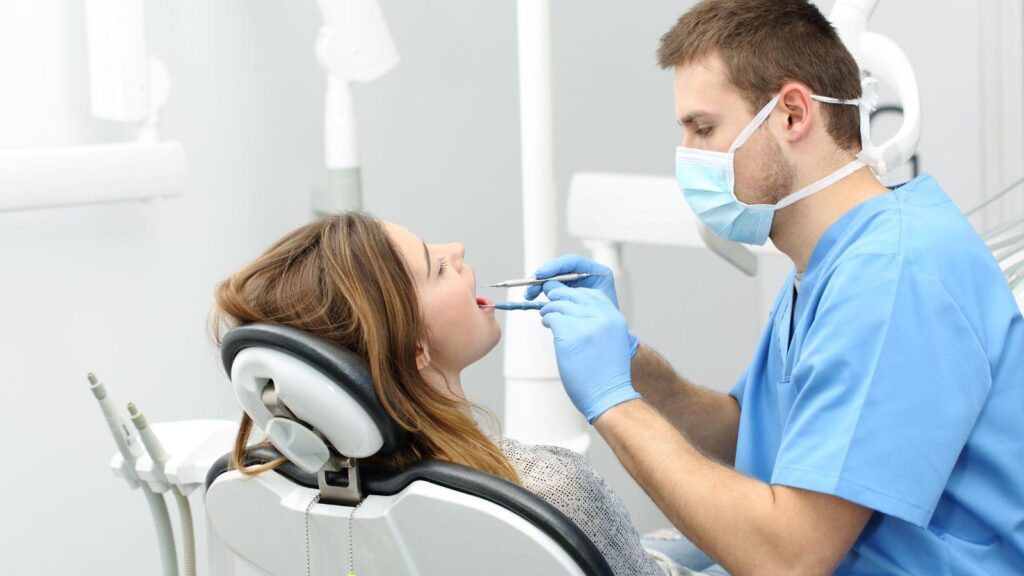
If dental visits make your heart race or keep you from getting care, sedation dentistry in Greenville, SC gives you practical options to stay calm and still during treatment. Sedation can range from mild relaxation to deeper, monitored sleep so you can get the work you need without overwhelming anxiety.
You’ll learn how different sedation methods work, who qualifies, what safety measures dentists follow, and how sedation changes the appointment experience so you can make an informed choice. This article also covers provider selection, aftercare, common misconceptions, and cost considerations.
Understanding Dental Anxiety
Dental anxiety can come from specific past experiences, fear of pain, or worry about loss of control. It often leads people to delay or avoid care, which can make dental problems worse and more complex to treat.
Common Causes of Dental Fear
You might trace your fear to a single painful event, like a traumatic extraction, or to repeated negative visits during childhood. Needle phobia and gag reflex sensitivity are common, and the sound and vibration of drills often trigger panic for many patients.
Media portrayals and stories from friends can amplify worry. You may also feel embarrassed about oral health or fear judgment from dental staff, which increases avoidance.
For some, a medical anxiety disorder or generalized anxiety makes dental visits especially difficult.
Impact on Oral Health
When you avoid dentists, small issues like cavities can progress into infections or require root canals or extractions. Delayed cleanings raise your risk of gum disease, which links to systemic problems such as increased inflammation and higher risks for diabetes complications.
Avoidance can lead to more complex, costly treatment plans that require longer chair time. That cycle of worsening need and greater procedural intensity often deepens anxiety.
Signs and Symptoms in Patients
Watch for physical signs such as sweating, rapid heartbeat, trembling, or nausea when you think about or face dental treatment. You might experience flashbacks of a prior traumatic visit, or have trouble breathing and a sense of losing control in the chair.
Behavioral signs include canceling appointments, arriving late, or asking to stop procedures frequently. You may also over-prepare questions or insist on minimal treatment to shorten visits.
Types of Sedation Methods
You can choose different sedation approaches depending on the procedure length, your anxiety level, medical history, and recovery needs. The three common options below vary by onset, depth of relaxation, monitoring requirements, and whether you need someone to drive you home.
Nitrous Oxide Sedation
Nitrous oxide (laughing gas) mixes with oxygen and you breathe it through a mask. It works within minutes, reduces anxiety, and lets you stay awake and responsive.
You maintain protective reflexes and breathe independently, so this method suits short procedures like fillings or cleanings. Effects dissipate almost immediately after the mask is removed, so you usually leave the office without lingering drowsiness.
Nitrous oxide has a strong safety record but may be avoided if you have certain respiratory problems, recent ear surgery, or a pregnancy-related restriction. Tell your dentist about COPD, severe asthma, or any ear or sinus issues so they can evaluate suitability.
Oral Conscious Sedation
Oral conscious sedation uses a prescribed pill (commonly a benzodiazepine) taken before your appointment to reduce anxiety. Onset is slower—typically 30–90 minutes—and you remain semi-awake but groggy and less aware.
This method helps with moderate to high anxiety and for longer procedures where you must stay relaxed but not fully unconscious. You will have impaired coordination and memory of the appointment, so plan for a responsible adult to drive you home and stay with you until recovery.
Medication choice and dose depend on your weight, other medications, and medical history. Disclose all prescriptions, over-the-counter drugs, and alcohol use to avoid dangerous interactions and ensure safe dosing.
IV Sedation
IV sedation delivers drugs directly into a vein for rapid, controllable sedation ranging from deep relaxation to near-unconsciousness. Your dentist or anesthesiologist monitors heart rate, oxygen levels, and blood pressure throughout the procedure.
This option suits lengthy, complex dental work or patients with severe dental phobia who need minimal memory of the visit. Recovery varies; you will require a companion to drive you and may need several hours to return to baseline alertness.
Because IV sedation produces stronger effects, providers review your medical history, fasting instructions, and current medications in advance. Facilities offering IV sedation follow strict monitoring and emergency protocols to maintain safety.
Benefits of Sedation for Anxious Patients
Sedation reduces anxiety, limits pain perception, and helps you tolerate longer or more complex treatments in fewer visits. It also stabilizes your reflexes and makes communication with your dental team easier.
Enhanced Comfort During Procedures
Sedation lowers your awareness of time and sensation, so you feel less discomfort during cleanings, fillings, extractions, or root canals. Oral sedatives and IV options produce a relaxed, drowsy state; local anesthesia still numbs the specific area so you don’t feel pain.
If you have sensitive teeth or require multiple procedures, sedation allows the clinician to work efficiently while you remain calm. That can shorten total chair time and reduce the number of appointments you need.
Common effects you can expect:
- Reduced anxiety and physical tension
- Minimal memory of the procedure with moderate/IV sedation
- Ability to tolerate longer appointments without distress
Improved Patient Cooperation
When you’re less anxious, you can follow instructions more reliably—open your mouth wider, hold still, and allow necessary positioning. That cooperation helps your dentist deliver precise work, which improves outcomes for crowns, implants, and complex restorations.
Sedation also stabilizes involuntary movements caused by fear, such as clenching or sudden jerks. This reduces procedural interruptions and lowers the risk of complications stemming from unexpected motion.
Practical benefits you’ll notice:
- Fewer pauses during treatment
- Faster, more accurate procedures
- Fewer repeat appointments due to movement-related errors
Reduction of Gag Reflex
A pronounced gag reflex can prevent proper impressions, x-rays, or work in the back of the mouth. Sedation dampens that reflex by relaxing throat muscles and decreasing your sensitivity to touch at the back of the tongue and palate.
With oral or IV sedation, your clinician can complete impressions, place restorations, or perform extractions without triggering gagging. That improves the quality of dental impressions and diagnostics and makes procedures safer and less traumatic for you.
Situations where this helps most:
- Taking dental impressions or intraoral scans
- Performing posterior restorations or extractions
- Placing or adjusting dental appliances
Candidacy and Evaluation
You will learn who typically qualifies for sedation, what dentists examine during evaluations, and which medical factors affect your safety and sedation choice.
Who Qualifies for Sedation
You may qualify if dental fear or anxiety prevents you from getting care, if you require lengthy or complex procedures, or if you have a strong gag reflex that interferes with treatment. Clinics in Greenville commonly offer sedation to patients of various ages, but some forms (like IV sedation) may be reserved for adults or require special monitoring.
Dentists also consider behavioral or cognitive conditions that make cooperation difficult, and patients with limited previous dental experience often benefit. If you have multiple procedures planned in one visit, sedation can help you remain still and reduce overall appointment time.
Assessment Processes
Your initial assessment typically starts with a focused intake: dental history, prior sedation experiences, medications, and current symptoms. Expect a review of past medical records and a discussion of the specific procedure, sedation options (oral, nitrous oxide, IV), expected effects, and recovery time.
Clinics often perform a brief physical check—blood pressure, heart rate, and oxygen saturation for higher-level sedation. They may require a pre-sedation consultation, especially for IV or moderate sedation, and give you written pre- and post-op instructions such as fasting times and transportation arrangements.
Medical Considerations
Your current medications, allergies, and chronic conditions (heart disease, respiratory issues, sleep apnea, diabetes) strongly influence whether sedation is safe and which type is chosen. Inform the team about prescriptions, over-the-counter drugs, supplements, and substance use; some combinations increase risk or require dose adjustments.
Age and body weight matter for dosing and monitoring. Pregnancy usually rules out elective sedation until after delivery.
If you have a history of adverse reactions to sedatives or anesthesia, the dentist may coordinate care with an anesthesiologist or refer you to a specialist clinic in Greenville for advanced monitoring.
Safety Protocols and Monitoring
You will learn how clinics prepare you for sedation, what monitoring happens during treatment, and what to expect while you recover. These steps focus on medical screening, continuous vital-sign checks, and clear post-procedure instructions to keep you safe.
Preparation Before Sedation
The office collects a detailed medical history and current medication list from you, including heart, lung, liver, kidney issues, and use of blood thinners or recreational drugs. If you use prescription benzodiazepines, opioids, or cannabis, tell the dentist so they can adjust sedative dosing or recommend an alternative plan.
Clinics measure baseline vitals—blood pressure, heart rate, and oxygen saturation—before any sedative is given. For IV or deeper sedation, fasting instructions (typically no solid food 6–8 hours, clear liquids up to 2 hours) and a responsible adult to drive you home are required.
Pregnant patients must disclose pregnancy; many offices postpone elective sedation. You may also receive pre-procedure consent forms explaining risks, benefits, and emergency protocols.
In-Office Monitoring Standards
The team continuously monitors your oxygen saturation (pulse oximetry) and heart rate throughout the procedure. For moderate-to-deep sedation or IV sedation, the clinic uses continuous cardiac monitoring (ECG) and noninvasive blood pressure checks at regular intervals, usually every 3–5 minutes.
Trained personnel—often a dentist certified in sedation and an assistant or an anesthesia-trained clinician—remain with you while sedated. They document drug doses and times, watch your airway and responsiveness, and maintain emergency equipment (oxygen, suction, airway adjuncts, reversal agents such as flumazenil or naloxone).
Clinics follow ACLS or BLS protocols appropriate to the sedation depth and have written emergency response plans and regular staff training.
Post-Treatment Recovery Procedures
After the procedure, staff monitor you in a recovery area until your vitals return to near-baseline and you are alert enough to follow simple commands. Recovery criteria commonly include stable oxygen saturation above 92–94%, steady blood pressure and heart rate, minimal nausea, and controlled pain.
You receive written and verbal discharge instructions covering activity restrictions (no driving or legal/financial decisions for 24 hours), which medications to avoid, signs of complications to watch for (difficulty breathing, persistent chest pain, severe vomiting, uncontrolled bleeding), and emergency contact numbers.
Arrange transportation and stay with a responsible adult for the first 24 hours if moderate or deeper sedation was used.
How Sedation Changes the Patient Experience
Sedation reduces the stress and physical discomfort that often make dental visits difficult. It shortens how long you feel procedures last and can limit painful or embarrassing memory of the visit.
Shorter Perceived Appointment Times
Sedation lowers your awareness and often makes time feel compressed. Under moderate IV or oral sedation, many patients report that long procedures felt like minutes because their attention and sense of time were dulled.
That reduction in perceived duration matters when you face multi-hour treatments like full-mouth restorations or multiple extractions. You’re less likely to experience restlessness, repeated requests for breaks, or anxiety-driven movement, which helps the clinician work more efficiently and reduces the need for multiple visits.
Expectations and preparation affect the experience. If you arrive rested, follow pre-op fasting instructions, and communicate medical history, sedation will more reliably shorten perceived time and improve comfort.
Memory Suppression Benefits
Certain sedatives produce anterograde amnesia, meaning you won’t form strong memories of the procedure. You may remember arriving and waking up, but most details in between will be fuzzy or absent.
This memory suppression helps in two ways: it prevents the formation of traumatic memories that reinforce dental fear, and it makes repeat appointments less intimidating.
If previous painful or stressful visits stopped you from seeking care, reduced memory of the event lowers psychological barriers.
Discuss amnesia expectations with your dentist before treatment. The degree of memory suppression varies by drug and dosage, so your provider will tailor the plan to balance safety, recall, and recovery time.
Choosing the Right Dental Provider
A good provider combines proper credentials, sedation experience, clear communication, and office safety. You should verify training, ask specific questions about sedation types and monitoring, and confirm logistics like costs and recovery support.
Qualifications to Look For
Look for a dentist with formal sedation training beyond dental school—courses from the American Dental Association (ADA), the American Society of Dentist Anesthesiologists (ASDA), or a recognized continuing education program matter. Ask whether the dentist is licensed to administer the sedation level you need (nitrous oxide, oral conscious sedation, IV sedation) and if they maintain ACLS or BLS certification.
Check for experience treating anxious patients and for recent case histories or patient reviews that mention sedation. Confirm the office has updated monitoring equipment (pulse oximeter, blood pressure cuff) and written emergency protocols.
If you need IV sedation or deep sedation, verify the presence of an anesthesiologist or a dentist-anesthesiologist and access to oxygen and emergency drugs.
Questions to Ask Before Scheduling
Ask which sedation options the office offers and which they recommend for your procedure and anxiety level. Request details: medication names, expected onset and recovery times, and whether you must fast or arrange transportation afterward.
Confirm cost breakdowns: sedation fees, monitoring fees, and whether your insurance covers any portion. Ask about pre-op instructions, possible side effects, and how they handle complications.
Inquire about post-op follow-up: who monitors your recovery, how to contact the office after hours, and whether someone needs to stay with you until you’re fully alert.
Aftercare and Follow-Up Considerations
Expect a short recovery period after sedation. You may feel groggy, lightheaded, or have mild memory gaps for a few hours, so plan to rest and avoid driving or making important decisions until you are fully alert.
Follow your dentist’s written aftercare instructions exactly. These typically cover pain control, oral hygiene, eating and drinking, and activity restrictions.
Arrange for a responsible adult to drive you home and stay with you for several hours. Medication effects vary; having someone there ensures you can get help if you feel disoriented or nauseated.
Watch for warning signs and contact your dentist or local emergency services if you experience persistent vomiting, severe pain unrelieved by prescribed medication, breathing difficulties, fainting, or uncontrolled bleeding. These are uncommon but require immediate attention.
Use this checklist to track immediate aftercare:
- Rest & supervision: 4–24 hours depending on sedation depth.
- Medications: Take prescribed analgesics or antibiotics as directed.
- Oral care: Resume gentle brushing; avoid vigorous rinsing for 24 hours if advised.
- Diet: Start with soft foods and clear liquids; avoid alcohol and driving.
- Follow-up appointment: Confirm any scheduled checkups or additional treatment sessions.
Keep a list of emergency contact numbers and your dentist’s office on hand.
Addressing Common Misconceptions
You might worry that sedation means losing control or being unconscious. In most dental sedation methods used in Greenville, you remain responsive and breathe on your own; options range from mild nitrous oxide to deeper IV sedation when needed.
Some people assume sedation is unsafe for adults. Dentists screen your medical history, adjust medications and monitor vital signs throughout treatment to reduce risks.
If you have health conditions, your dentist will discuss which sedation level suits you best.
You may think sedation is only for major surgery. Sedation helps with routine cleanings, fillings, and longer restorative work when anxiety or gag reflexes make care difficult.
It can let you complete more work in fewer visits, which many patients prefer.
Cost concerns often stop patients from asking about sedation. While prices vary, some Greenville practices offer promotions or include sedation for larger treatment plans.
Check with your dentist and your insurer about coverage and any available savings.
Some fear lingering grogginess or long recovery. Recovery time depends on the sedative used; nitrous oxide wears off quickly, while oral or IV sedatives require a short monitored recovery and a ride home.
Your dentist will give clear post‑op instructions so you know when it’s safe to resume normal activities.
Common myths and facts
- Myth: “Sedation will erase my memory completely.” Fact: Memory effects vary; some patients have partial amnesia, not total memory loss.
- Myth: “Anyone can sedate me without specialized care.” Fact: Sedation requires trained staff and monitoring equipment to ensure safety.
Cost Factors and Insurance Coverage
You’ll see costs vary by sedation type, procedure length, and whether your plan offers any coverage. Expect itemized charges for the sedation itself and separate billing for the dental procedure.
Typical Pricing Structures
Sedation pricing usually depends on the method and time. Nitrous oxide (laughing gas) commonly adds a flat fee or a small incremental charge per visit.
Oral sedation (prescription pills taken before the appointment) often carries a moderate flat fee. IV sedation and general anesthesia are the most expensive and are commonly billed by time (per 15–30 minute increment) plus an anesthesia professional fee.
Other cost drivers include the complexity and length of the dental procedure, facility fees if performed in an outpatient surgical center, and any required monitoring equipment or recovery time.
Many practices offer bundled pricing for major treatment plans (for example, sedation included with multiple crowns or extractions totaling over a dollar threshold). Ask the office for an itemized estimate and whether consent, monitoring, or post-op medications are included.
What to Expect With Insurance
Most dental insurance plans do not routinely cover sedation purely for anxiety. Coverage is more likely if sedation is medically necessary or required for a covered procedure.
Plans differ: some will cover part of the anesthesia fee when a dentist documents medical necessity. Others classify sedation as elective and exclude it.
You should contact your insurer before the appointment and request preauthorization when possible. Provide documentation such as a treating dentist’s letter stating medical necessity, diagnosis codes, and a procedure estimate.
If insurance denies coverage, ask the dental office about payment plans, dental savings plans, or discounts for treatments above a certain total. Keep copies of claims and denial letters to support any appeals.