
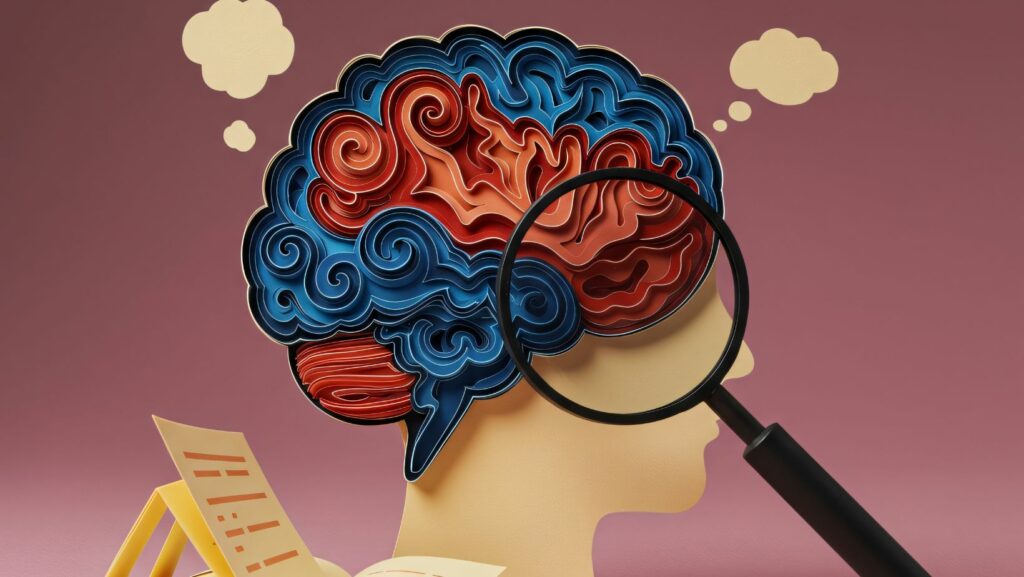
Mental health and cognitive function are deeply interconnected, shaping how people think, feel, learn, and interact with the world. Cognitive function refers to mental processes such as attention, memory, reasoning, problem-solving, and language. Mental health, meanwhile, includes emotional, psychological, and social well-being. Together, these two dimensions influence daily functioning, academic and work performance, relationships, and overall quality of life. When mental health is supported, cognitive abilities tend to work more effectively; when mental health is strained, thinking and learning can become more difficult.
How Mental Health Influences Thinking and Learning
Mental health plays a significant role in how the brain processes information. Ongoing stress or anxiety can make it harder to focus and sustain attention, as the brain becomes more alert to perceived threats rather than reflective thinking. This can interfere with memory, decision-making, and problem-solving. Similarly, periods of low mood may reduce motivation and slow mental processing, making tasks that once felt manageable seem more demanding.
Sleep is a key factor linking mental health and cognition. Many mental health challenges are associated with disrupted sleep patterns, and inadequate sleep has direct effects on attention, learning, and memory. During sleep, the brain consolidates new information and clears metabolic waste. Without sufficient rest, concentration declines and cognitive efficiency decreases. Improving emotional well-being often leads to better sleep, which then supports clearer thinking and improved learning.
Cognitive Function’s Role in Emotional Well-Being
The relationship between mental health and cognition works in both directions. Cognitive processes shape emotional experiences by influencing how people interpret events and respond to challenges. Flexible thinking, realistic self-talk, and effective problem-solving can reduce emotional distress and increase resilience. When individuals can reflect on experiences and plan constructive responses, they are better equipped to manage stress.
Executive functions—such as planning, impulse control, and working memory—are particularly important for emotional regulation. These skills help people pause before reacting, consider consequences, and choose responses aligned with their values and goals. Strong executive functioning supports both academic or work success and emotional balance, highlighting how cognitive skills and mental health reinforce one another.
Development Across the Lifespan

Mental health and cognitive function develop together from early childhood through older adulthood. In childhood and adolescence, the brain is still maturing, especially areas responsible for attention and self-regulation. Supportive environments, stable relationships, and opportunities to learn can foster both emotional well-being and cognitive growth. In contrast, prolonged stress during these years can interfere with concentration, memory, and emotional control.
In adulthood, responsibilities related to education, work, and relationships place ongoing demands on mental resources. Maintaining mental health through balance, social connection, and healthy routines helps preserve cognitive flexibility and productivity. In later life, mental health remains closely tied to cognitive aging. Emotional support, engagement in meaningful activities, and stress management are associated with better cognitive functioning and life satisfaction as people age.
Stress, the Brain, and Neuroplasticity
Stress is a central link between mental health and cognitive performance. Short-term stress can sometimes sharpen focus, but chronic stress can impair learning and memory. Stress hormones influence brain regions involved in cognition, including areas responsible for memory formation and decision-making. Over time, this can reduce attention span and limit creative or flexible thinking.
At the same time, the brain has a remarkable capacity to adapt. Neuroplasticity refers to the brain’s ability to change in response to experience. Positive habits and supportive environments can strengthen neural connections even after periods of difficulty. Discussions about cognitive enhancement, including conversations about nootropics online, reflect a broader interest in improving brain performance, but research consistently shows that lifestyle factors such as sleep, learning, and stress reduction play a foundational role in healthy cognitive function.
Lifestyle Factors That Support Both Mental Health and Cognition
Everyday habits have a powerful impact on both emotional well-being and cognitive abilities. Regular physical activity supports mood, increases blood flow to the brain, and improves attention and memory. Balanced nutrition provides the energy and nutrients needed for mental clarity and sustained focus. Social connection offers emotional support while also stimulating thinking through conversation and shared experiences.
Mental engagement is another important factor. Reading, problem-solving, creative expression, and learning new skills challenge the brain and reinforce cognitive pathways. Stress management techniques, such as structured relaxation, mindfulness, or journaling, help reduce mental overload and improve clarity. These habits work together, creating positive cycles that support both how people feel and how they think.
Education, Work, and Daily Performance
In educational and work settings, the connection between mental health and cognitive function becomes especially visible. Focus, memory, and problem-solving are essential for learning and productivity. When mental health is supported through reasonable expectations, breaks, and access to help, individuals are more likely to perform at their best. Recognizing that difficulties with concentration or motivation may be linked to emotional strain can encourage more understanding and effective support.
Toward an Integrated View of Well-Being
Understanding the close relationship between mental health and cognitive function highlights the importance of integrated approaches to well-being. Emotional health is not separate from thinking and learning; they are part of the same system. Schools, workplaces, and communities can promote environments that value balance, connection, and growth. On a personal level, paying attention to both emotional signals and cognitive needs can guide healthier choices.
Conclusion
Mental health and cognitive function are tightly intertwined, influencing one another throughout life. Emotional well-being supports attention, memory, and problem-solving, while strong cognitive skills help regulate emotions and manage challenges. By nurturing this connection through healthy habits, supportive environments, and balanced expectations, individuals can enhance both mental performance and quality of life. Recognizing the unity of mind and cognition is a key step toward lasting well-being.