

Conversations about marijuana cards no longer sit on the edges of healthcare. For many adults, they are becoming part of regular medical decision-making. This shift did not happen overnight. It developed as patients, doctors, and lawmakers looked for practical ways to manage ongoing health needs within legal boundaries. As healthcare expands beyond symptom control, marijuana cards are often discussed alongside approaches like functional medicines that focus on overall balance and daily function.
Adult healthcare already includes many monitored treatments that require approvals, renewals, and follow-ups. Marijuana cards follow that same pattern. They exist inside state-regulated medical programs, not outside the system. Looking at how they work in real life helps explain why they now feel routine rather than unusual. When placed next to other documented care options, cannabis becomes part of a broader wellness conversation rather than a separate topic.
How marijuana cards became part of medical systems
Medical marijuana programs started when patients reported limited success with standard treatments. Lawmakers needed a way to allow access while keeping structure and oversight. The marijuana card became the main tool to manage that access. This system helped bridge gaps where traditional care alone did not meet patient needs.
A card connects three parties. The patient seeks care, a licensed provider evaluates the need, and the state oversees the process. This structure allows monitoring and accountability. It also creates consistency across medical use rather than informal access. That consistency supports integration with other care models, including functional medicines, where providers look at long-term comfort and quality of life.
Each state developed its own rules. Some states use narrow medical condition lists. Others allow broader categories related to long-term discomfort or daily function. The card system helps keep order within these differences. Written approval replaces vague claims and gives everyone clear expectations. This clarity supports trust across healthcare settings.
What approval looks like for adults
Getting a marijuana card begins with a medical evaluation. Adults must meet state guidelines, which are updated over time. A licensed provider reviews symptoms, health history, and prior treatments. This step relies on professional judgment. It ensures cannabis use is discussed as part of an overall care plan rather than an isolated choice.
Telehealth has made evaluations more accessible for adults managing work and family schedules. Services like Elevate Holistics connect patients with licensed providers through structured online visits. These evaluations still follow state rules and documentation standards. Convenience does not replace medical responsibility. Patients still receive guidance aligned with broader wellness strategies.
Once approved by a provider, the application moves to the state. The state reviews the information before issuing the card. Processing times vary by location. Cards have expiration dates and require renewal. This renewal confirms ongoing medical need rather than permanent approval.
What marijuana cards allow and limit
A marijuana card allows adults to purchase cannabis from licensed medical dispensaries. Purchases must stay within state limits for quantity and strength. These limits are tracked digitally to reduce misuse or resale. This controlled access helps keep cannabis aligned with medical intent.
Cardholders receive legal protection under state law for possession within approved amounts. This protection applies only within that state. Crossing state lines changes the legal landscape. Knowing these boundaries is essential for responsible participation in medical programs.
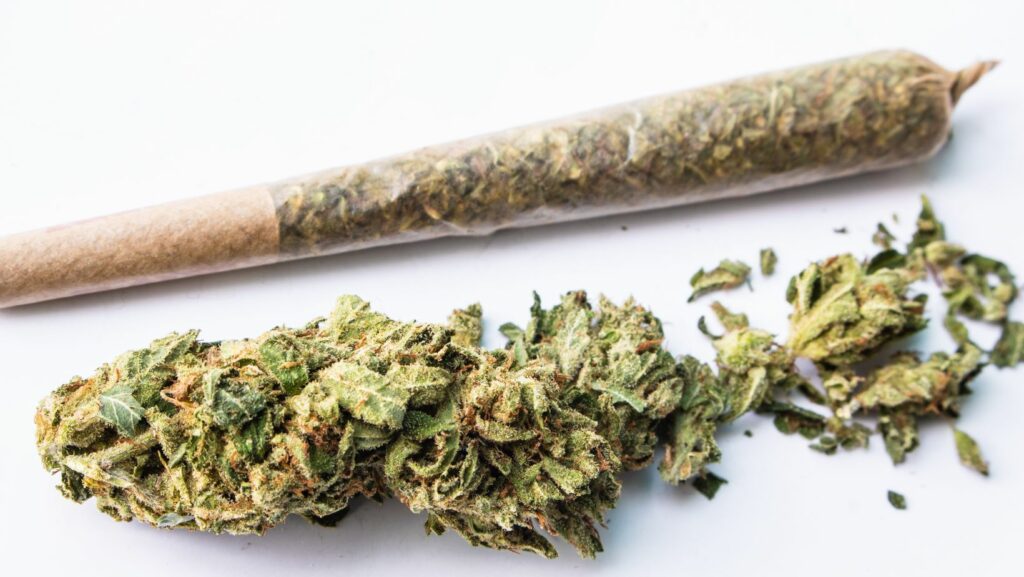
Restrictions still apply. Public use is often prohibited. Driving under the influence remains illegal. Sharing products with others is not allowed. Federal rules also continue to affect travel and certain jobs. Understanding both access and limits helps adults use cannabis responsibly within healthcare boundaries.
Health reasons adults discuss marijuana cards
Chronic pain is one of the most common reasons adults seek marijuana cards. Back pain, joint issues, and nerve discomfort affect daily routines. Cannabis becomes an option when other treatments provide limited relief. Providers assess whether it fits alongside existing therapies.
Sleep problems also lead adults to explore this path. Difficulty falling asleep or staying asleep impacts focus and mood. Providers review routines and stress levels before recommending cannabis support. This careful approach aligns with wellness-focused care models.
Stress-related symptoms appear frequently in adult healthcare visits. Ongoing pressure from work and life responsibilities affects emotional balance. Clinicians evaluate whether cannabis fits alongside therapy, lifestyle changes, or healing functional medicine approaches. The goal is support, not replacement of comprehensive care.
Appetite challenges and digestive discomfort are also discussed. Providers look at overall health patterns and medication use. This careful screening supports safe integration into care plans.
Safety, oversight, and privacy
Safety plays a central role in marijuana card programs. Age requirements, identity verification, and secure records reduce risk. Providers explain side effects, interactions, and proper use. Education helps adults make informed choices. Renewals encourage reassessment. Adults review outcomes and concerns with providers. Adjustments keep care aligned with current needs. This mirrors how many long-term treatments are managed across healthcare.
Privacy protections apply to marijuana card records. Health data is stored securely and shared only with authorized parties. Law enforcement access is limited by state law. Employers usually cannot view card status without consent. These safeguards help adults feel comfortable discussing care options openly.
Daily life and changing attitudes
Marijuana cards now fit into normal adult routines. Appointments, renewals, and follow-ups resemble other healthcare tasks. This familiarity reduces tension around the topic. Cannabis care becomes another item within a structured wellness plan.
Family and social conversations also change as acceptance grows. Cannabis care becomes part of wellness discussions rather than a hidden subject. Clear information replaces assumptions. This openness supports healthier dialogue.
Workplace policies focus on safety and performance. Adults plan use responsibly around professional expectations. Understanding rules helps maintain balance between health needs and daily responsibilities. Healthcare providers increasingly coordinate cannabis care with physical therapy, counseling, nutrition, and lifestyle guidance. This integrated approach supports overall wellness.
Why marijuana cards now feel normal
Marijuana cards reflect how adult healthcare adapts to real needs. They provide structure, documentation, and oversight. Adults who choose this option do so within a regulated medical framework. This structure supports trust and consistency. These programs are not designed to persuade everyone. They exist to support patients within defined legal and medical limits. Understanding how the system works removes confusion and speculation. As education and research grow, marijuana cards continue to settle into routine care. For many adults, they now represent another managed healthcare option guided by facts rather than opinions.