
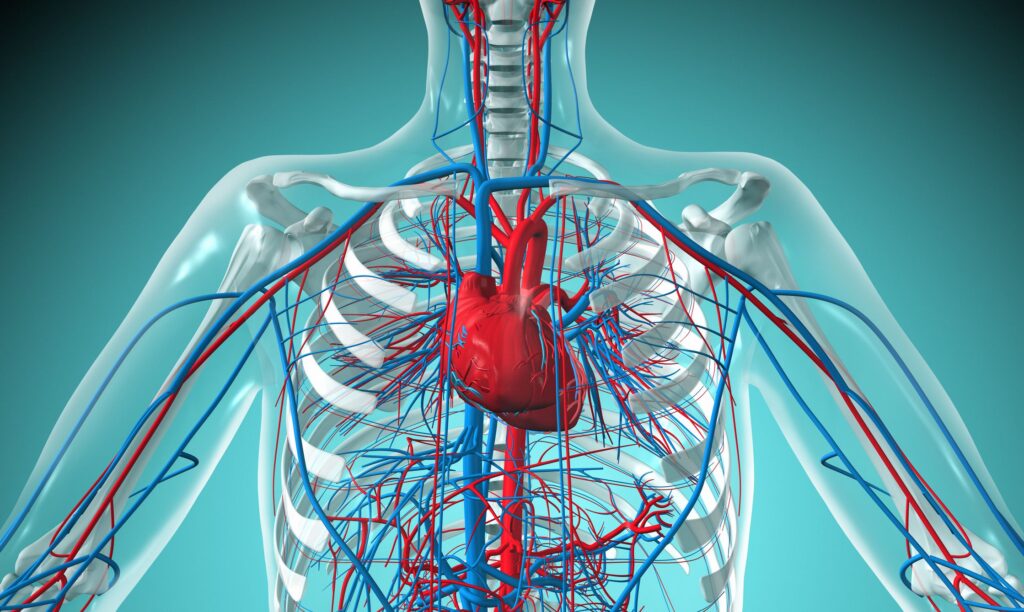
Preventive healthcare has traditionally centered on blood pressure checks, cholesterol monitoring, diabetes screening, vaccinations, and routine physical exams. While these components are essential, there is a foundational system that connects them all yet often remains underemphasized: the vascular system. Arteries, veins, and capillaries form an intricate network responsible for delivering oxygen, nutrients, hormones, and immune cells throughout the body. Without healthy blood vessels, even the most advanced preventive strategies lose effectiveness.
Vascular health is not simply about avoiding heart attacks or strokes. It influences energy levels, organ function, cognitive clarity, mobility, and tissue repair. When circulation is efficient, the body operates with resilience. When it is compromised, subtle dysfunctions begin to surface long before a major diagnosis is made. For preventive healthcare to be truly comprehensive, vascular health must be recognized as a central pillar rather than a secondary concern.
Understanding the Vascular System Beyond the Heart
Many people associate vascular health exclusively with heart disease. While the heart plays a crucial role, the vascular system extends far beyond it. Arteries transport oxygen-rich blood from the heart to tissues. Veins return oxygen-depleted blood back to the heart and lungs. Capillaries facilitate the exchange of nutrients and waste at the cellular level.
This system operates continuously. Every organ, including the brain, kidneys, liver, and muscles, depends on uninterrupted blood flow. Even minor disruptions can affect how efficiently these organs function. Over time, damage to blood vessels can contribute to chronic conditions that diminish quality of life and increase healthcare costs.
Preventive healthcare that prioritizes vascular integrity helps safeguard the body’s entire infrastructure. Healthy vessels maintain flexibility, regulate blood pressure, and adapt to changing physiological demands. When vessels become stiff or narrowed, the consequences extend beyond cardiovascular disease.
The Silent Progression of Vascular Dysfunction
One of the reasons vascular health deserves greater attention is that dysfunction often develops quietly. Early symptoms may be subtle or mistaken for minor inconveniences. Leg fatigue at the end of the day, mild swelling, occasional numbness, or visible surface veins are frequently dismissed. Yet these signs can indicate underlying venous insufficiency or compromised circulation.
Similarly, arterial stiffness may not cause noticeable discomfort until significant damage has occurred. High blood pressure, elevated cholesterol, and chronic inflammation gradually strain vessel walls. By the time symptoms become obvious, intervention may be more complex.
Preventive healthcare aims to identify risk factors early. Including vascular assessments as part of routine care ensures that small warning signs are not overlooked. Screening for peripheral artery disease, evaluating venous function, and discussing lifestyle patterns that affect circulation can detect issues before they escalate.
Vascular Health and Chronic Disease Prevention
Many chronic diseases share a common denominator: vascular involvement. Diabetes damages blood vessels over time, increasing the risk of neuropathy, kidney disease, and vision problems. Hypertension strains arterial walls, leading to thickening and loss of elasticity. Obesity elevates inflammatory markers that compromise endothelial function.
By protecting blood vessels, individuals reduce the likelihood of developing these interconnected conditions. Healthy vascular tissue supports balanced blood sugar regulation, efficient oxygen delivery, and stable organ performance. Preventive healthcare that integrates vascular monitoring strengthens the overall defense against chronic illness.
Furthermore, compromised circulation can impair wound healing and immune response. Adequate blood flow ensures that infection-fighting cells reach injured areas quickly. This becomes particularly important for older adults, whose healing processes may already be slower.
The Overlooked Importance of Venous Health
Arterial disease often dominates public awareness campaigns, yet venous disorders are increasingly common and can significantly affect daily life. Chronic venous insufficiency, varicose veins, and deep vein thrombosis are not merely cosmetic concerns. They can cause persistent discomfort, swelling, skin changes, and in severe cases, ulcers.
Venous health is especially relevant in today’s sedentary society. Prolonged sitting, limited physical activity, and excess weight increase pressure within leg veins. Over time, weakened vein valves allow blood to pool, leading to progressive symptoms.
Seeking timely evaluation from experienced providers such as Taylor Vein Solutions allows individuals to address venous concerns before complications arise. Modern vein treatments are often minimally invasive and can restore healthier blood flow while improving comfort and mobility. Incorporating venous care into preventive strategies reflects a comprehensive approach to vascular wellness.
Lifestyle Factors That Influence Vascular Integrity
Preventive healthcare emphasizes lifestyle modifications, and vascular health responds strongly to daily habits. Regular physical activity remains one of the most effective ways to maintain vessel flexibility. Exercise stimulates nitric oxide production, which helps arteries relax and improves overall circulation.
Balanced nutrition supports endothelial function and reduces inflammation. Diets rich in fruits, vegetables, whole grains, healthy fats, and lean proteins provide antioxidants that protect vessel walls from oxidative stress. Limiting processed foods, excessive sodium, and added sugars reduces strain on the vascular system.
Hydration also plays a role in maintaining optimal blood viscosity. Dehydration can thicken blood, making circulation less efficient and increasing cardiovascular strain. Consistent fluid intake supports smoother flow throughout the vascular network.
Stress management is another often underestimated factor. Chronic stress elevates cortisol levels and blood pressure, both of which can damage vessel walls over time. Integrating relaxation practices into preventive care plans helps protect long-term vascular health.
The Role of Screening and Early Intervention
Preventive healthcare thrives on early detection. Routine blood pressure measurements, lipid panels, and glucose testing provide insight into vascular risk. However, additional evaluations may be warranted for individuals with family histories of vascular disease or persistent symptoms.
Non-invasive imaging technologies can assess blood flow and identify areas of narrowing or valve dysfunction. Early intervention allows for targeted lifestyle changes, medication management, or minimally invasive procedures before complications develop.
Education is equally important. Patients who understand the significance of vascular health are more likely to adopt sustainable habits. Healthcare providers play a vital role in communicating how everyday choices influence long-term outcomes.
Aging and the Importance of Vascular Preservation
As people age, natural changes occur within blood vessels. Arteries gradually lose elasticity, and veins may weaken. While these processes are partly biological, lifestyle choices significantly influence their progression.

Healthy aging depends on maintaining mobility, cognitive function, and organ resilience. Each of these domains relies on effective circulation. By prioritizing vascular health early and consistently, individuals can extend not only lifespan but also healthspan—the years lived in good functional health.
Preventive healthcare that addresses vascular integrity supports independence in later years. Reduced risk of stroke, improved mobility, and better wound healing all contribute to sustained quality of life.
Integrating Vascular Health Into Modern Preventive Care
To position vascular health as a core element of preventive healthcare, a shift in perspective is required. Instead of viewing vascular disease as a late-stage complication, healthcare systems must treat it as a modifiable risk factor beginning in early adulthood.
Employers can encourage movement in workplace environments. Public health initiatives can raise awareness about venous disorders and peripheral artery disease. Primary care providers can incorporate routine vascular discussions into annual checkups.
The goal is not to create alarm but to promote informed action. When patients recognize that circulation underpins nearly every bodily function, they are more likely to prioritize habits that support vascular resilience.
Conclusion: Building a Preventive Model Around Circulation
Preventive healthcare seeks to reduce disease burden, extend healthy lifespan, and empower individuals to take proactive steps toward well-being. Vascular health aligns perfectly with these objectives. Healthy arteries and veins ensure that oxygen, nutrients, and immune defenses reach every corner of the body. They protect against chronic disease, support recovery, and sustain vitality.
Ignoring vascular health until symptoms become severe undermines the very essence of prevention. By integrating regular screenings, lifestyle education, and timely specialist evaluation, healthcare systems can shift toward a more comprehensive and effective model.
Ultimately, vascular health is not a niche concern reserved for cardiology clinics. It is a universal foundation that influences every organ and every stage of life. Recognizing it as a core component of preventive healthcare moves us closer to a future where longevity and quality of life go hand in hand.