
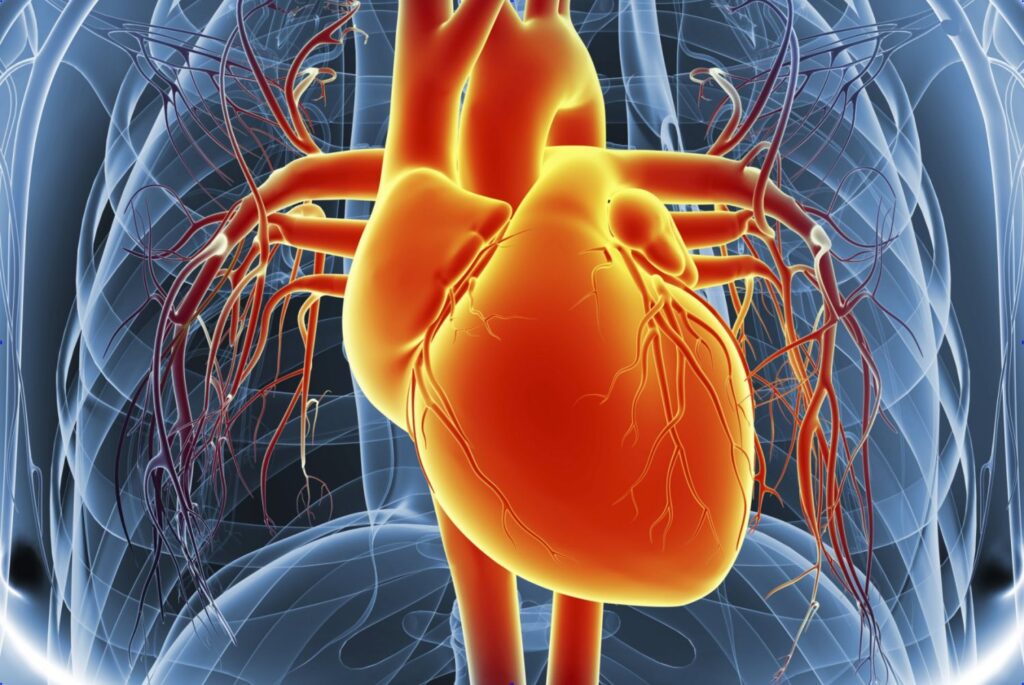
Public health encompasses various topics like infectious diseases, mental health, chronic illnesses like diabetes, and nutrition. However, one critical topic that has been neglected is the intersection of public health and the circulatory system. The circulatory system is integral for transporting and delivering the body’s nutrients and oxygen, hormones, and immune cells. Furthermore, nearly all health concerns rely on optimal and ideal blood circulation. Many health issues can be avoided if blood circulation is not deficient for any reason. Thus, the fusion of public health and circulatory health is a necessary consideration and should be a primary concern of public health programs.
Interrelated Functionality of the Circulatory System and the Other Body Systems
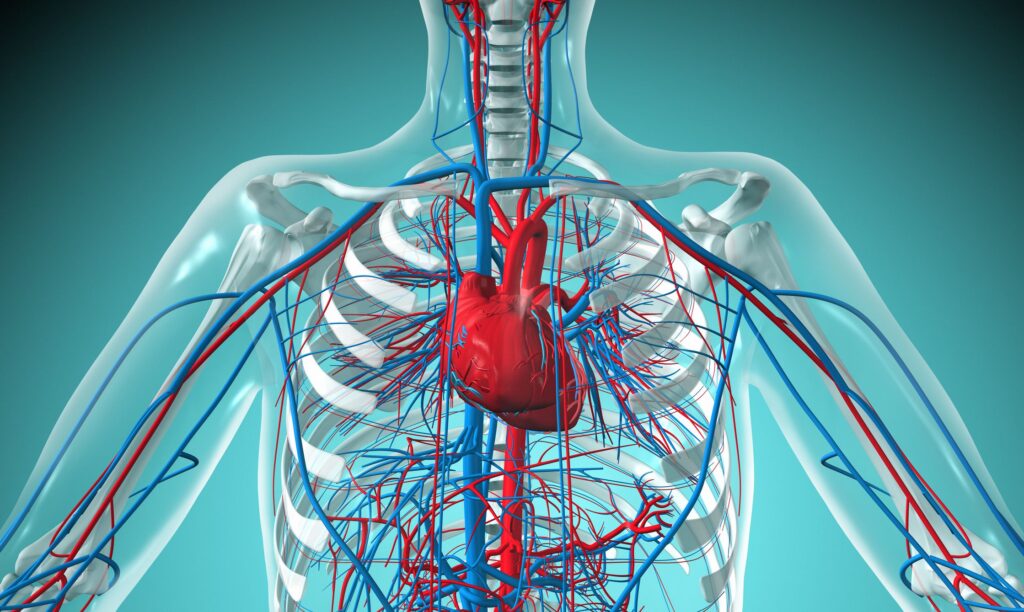
Each of the different components of the circulatory system, which include the heart, arteries, veins, and capillaries form a loop structure system. They function to transport blood from the heart to the rest of the body via arteries and return the ‘used’ blood back to the heart via veins. This system, while seemingly basic, is essential for the functioning of a myriad of other body systems, including the body’s immune and hormone system, cellular repair, and thermal regulation (control or maintenance of body temperature).
The body’s ability to maintain homeostasis (internal balance) and cope with stress from the outside environment is directly impacted by the integrated functioning of all its systems. Compromised functioning of the circulatory system results in poor blood circulation, which in turn results in the body not receiving enough oxygen. This causes significant tissue injury, inflammation, and poor wound healing. Persistingly poor circulation causes a variety of conditions, including cardiovascular disease, stroke, peripheral artery disease, chronic venous insufficiency, and many more. Given the functional integration of the circulatory system with all other body systems, the presence of uninterrupted dysfunctional circulation indicates that vascular health should be prioritized in all preventive health care approaches.
The World’s Remaining Challenge: Disorders of the Circulatory System
The management and prevention of lethal cardiovascular disorders remain a global challenge. These disorders and their complications impact the economy and shorten life spans and negatively impact health and infirmity of health care systems and the members of the family and the community. However, the process of diagnosing and preventing these diseases circulates around the dysfunction of a single organ system, and the diseases of the circulatory system. The diseases and disorders of the venous system, for example, chronic venous insufficiency, and varicose veins are global health system venous system diseases and are chronic and circadian roots of suffering. They are an Iceberg problem, and their magnitude is chronic, global, and conservative.
These diseases may not directly kill, but can kill productivity, life and the feeling of liveliness of the patient. It can also create a big burden for health system finances. These types of diseases of the vascular system, if sufficient, can lead to more serious diseases that can have an even greater burden on the health system and an even greater economic burden.
Health systems focusing on the early detection and prevention of diseases can positively impact the health, the economy of the health systems, and the burden of the diseases.
Modern risks associated with our circulatory system are a result of lifestyle changes. Increased remote work, longer commutes, and increased screen time, have resulted in increased sedentary time. Sedentary time causes sluggish blood flow, especially in the lower extremities. Furthermore, the muscles that assist with venous return become inactive and weak, increasing the risk of venous pooling and resulting in venous function impairment.
The excess weight of an obese person magnifies all of these risks, and as an individual carries excess weight, they have an increased amount of blood vessels as well as an increased volume to their vascular system. When the blood vessels are subjected to increased volumes and pressures, the likelihood of hypertension (high blood pressure) increases. Inflammation and damage to the circulatory system from smoking, stress, and poor diet further exacerbate these problems.
Community and individual-focused campaigns aimed at improving awareness of these issues could be one of the places health care providers start. Addressing preventive circulatory health issues could be integrated into work wellness programs and early detection (screening) slash assessment programs.
Working and Economic Impact of Chronic Circulatory Diseases
The economic impact of chronic vascular diseases extends beyond hospital visits. There can be substantial loss of work days for patients suffering from chronic vascular diseases, perform job tasks (especially those that are physically demanding), and suffer loss of income. Such patients, due to their morbidity, also face the challenges of disability and the long-term care that may be required. Overall, the economy endures a reduction in the productive output. Additionally, the productive workforce supply may also decrease.
Concerns over the functionality of public health systems may also have social and psychological ramifications. Public health and social concerns may result in social isolation, mental health problems, and diminished quality of life. Furthermore, mental health problems may result from the chronic pain and limited mobility that are common with the aforementioned conditions. Therefore, investment in the health systems of circulation can also create, socially and economically, health systems that are more robust.
Education and Early Intervention
One very impactful example of the practice of prevention and education in public health is chronic vascular illnesses. The cornerstone of successful public health initiatives is prevention and education, and for chronic vascular illnesses, cultivating movement, balanced nutrition, proper hydration, and smoking cessation are the elements of greatest impact. Altering daily routines might include standing and walking meetings, or the use of walking desks. These shifts in practice can support increased movement and better circulation.
In addition, the significance of preventive health care cannot be overstated. Early screening, one of the most impactful components of preventive health care, includes blood pressure screening, cholesterol tests, and vascular health assessments. These screenings can identify and manage health risks before they escalate. However, if you have significant health issues such as leg swelling, a feeling of heaviness in the leg, or visible varicose veins, you should contact a Vein Specialists in Princeton immediately. Waiting too long to start treatment when the condition has worsened can lead to very serious consequences.
When the public health system’s resources are limited, implementing public health initiatives that streamline and simplify the integration of vascular health assessments into primary health care services can enhance the overall effectiveness of the health care system and improve health equity.
The Common Overlook of Venous Health
Health publications and news outlets seem to cover exclusively arterial diseases and their complications. Venous diseases are just as important. The veins of the body have blood flowing back to the heart and also have functioning valve systems to prevent back flow. Weakened valves can cause blood to collect in the lower extremities and can be painful and cause modification of the veins.
Chronic venous disease can be serious and lead to venous ulcers. This condition is worsened by becoming more painful and causing skin changes. An outpatient setting can often be where the procedure is performed. Most people are unaware of intricate treatment options.
By promoting knowledge and awareness of venous disease, we can shift a more proactive approach to health care.
Circulatory Health and the Social Determinants of Health
In order to determine the most appropriate priorities for public health, we must first consider the greatest inequities within the system. Barriers to access both preventative and specialty vascular care are detrimental to the circulation health of civilians. Obstructed access to affordable care and the psycho-social-eco determinants of health (e.g., high incidence of smoking, lack of healthy foods, and high incidence of obesity) exacerbate circulation health issues.
To combat the issues as discussed, we must first improve access to education about, and screening and treatment options for, circulation issues. Community-based chronic disease prevention programs that promote physical activity and healthy eating will play a role in improving the vascular health of the population.
Utilizing Innovation for Public Health
The management of cardiovascular health has, for some time, been limited to in-person consultations and follow-up visits; however, the latest innovations in technology encourage the development of remote care and monitoring (telehealth) for the management of cardiovascular health. In particular, wearables such as smart watches and remote (tele) primary care consultations encourage physical activity and monitor movement as well as heart rate, therefore, promoting primary prevention. For patients living in rural and remote areas, access to care and therefore the management of cardiovascular health issues, is significantly improved.
Using appropriate technology and data analytics, public health officials can track changes in community health status and, in real-time, make changes to the community’s health status by identifying high-risk areas in the community and allocating health services and preventative measures where needed.
Creating a Movement Culture
Regular movement is the most important for the improvement and maintenance of cardiovascular (CV) health. The human body is made to deal with the demands and challenges of physically active and healthy life. It is a lack of movement that is the primary cause of the poor health of most people in the modern world. Even the CV system, which is the most affected part of the body, is helped by any level of moderate exercise. It is the cause of improved elasticity of the blood vessels, and it helps the blood flow. Movement and exercise is vital to a healthy community. Public health campaigns that promote movement and exercise are important, and may include walking groups, community fitness activities, and urban pedestrian-friendly designs.
Education and training institutions have a fundamental responsibility. For example, providing and promoting the use of sit-stand desks and adjustable ergonomic chairs, providing periodic movement breaks, and integrating physical movement into the daily schedule, are all ways that education and training institutions can help develop and maintain long-term patterns of activity, movement, and exercise, and protect CV health.
A Policy Proposal for Investment in the Wellbeing of the Population
This paper proposes a policy that aims to invest in the wellness of the community in the long run. By concentrating the healthcare system on the early detection and intervention of risk factors, and the promotion of a healthy lifestyle through positive behavioral changes, chronic diseases can be lessened, and costs along with the quality of life of individuals can be significantly improved.
Wellbeing of the individual and the society can be attained through the added integration of policy that focuses on the well being of the individual and the health of the CV system. With reduction of cardiovascular incidences, the individual and society will be better off with increased vigor, improved mental function and better overall health.
Last Thoughts
The flowing systems of the body have a great impact on the thinking and mental clarity of people. The community tends to overlook the impact the functioning system has on people’s thinking and mental clarity. The working system has no impact on the community. Sedentary lifestyles, obesity, and vascular disorders spell trouble.
Improvement of the functioning systems of the body will great impact the community and help reduce diseases. Improvement of the culture, education, and movement will result in improvement in the health of the circulatory system. The people will undergo improvement in their lives and the society will be better.