

Although important, traditional preventative health practices focusing on weight management, blood sugar control, cholesterol management, and blood pressure monitoring overlook one foundational system: the circulatory system. The circulatory system is critical because it transports and delivers oxygen, nutrients, and hormones, and distributes immune cells throughout the body. Moreover, the network is vital to virtually every body system and process. Compromised circulation can negatively impact health beyond just the heart and blood vessels.
Ignoring circulatory health until symptoms present can have serious consequences. Swollen legs and feet, visibly distended veins, chronic fatigue, and subtle discomfort should be more than just passing concerns. These symptoms can be warning signs of serious vascular problems. These warning signs demonstrate that combating poor circulation is no longer a specialist issue but a public health concern.
The Circulatory System and its Health
The term ‘circulatory health’ is often misunderstood, as consumers associate it exclusively with heart disease. However, while heart disease is one of the most serious global health problems, it is possible to have diseased circulation without heart disease. Circulatory disease is the malfunction of any blood vessels involved in the circulation of blood, which includes arteries, veins, and capillaries. Arteries, which are part of the circulatory system, transport blood enriched with oxygen away from the heart; and in contrast, veins transport blood depleted of oxygen back to the heart and lungs for reoxygenation, while capillaries are optimized for gas and nutrient exchange as well as cellular waste removal.
The venous system is one of the most neglected circulatory systems in the body. Venous systems of the legs have to work against the pull of gravity to bring blood back to the heart. This is often achieved with the use of small, one-way, anti-gravitational valves and the contraction and movement of muscles surrounding the veins. If the one-way valves in the veins do not function correctly, blood may accumulate and these varicosities may further advance to limit the blood return, leading to venous insufficiency, swollen legs, and in some instances, serious skin complications, including venous leg ulcers.
Thus, health care practitioners should consider a more comprehensive approach to venous system health and not limit their approach solely simply to controlling known risk factors for heart disease.
Impact of Modern Lifestyle on Circulation
The sharp decline in daily activities in the last few decades is a phenomenon worthy of attention in regard to prioritising circulatory health. Remote working conditions, increased screen time, and decreased physical movement are hallmarks of modern life. Such a lifestyle leads to a decrease in muscle activity in the lower body, which negatively impacts venous return and causes increased pressure in the legs.
The circulatory system also faces increased strain due to the rising prevalence of the combination of obesity and metabolic syndrome. Increased body weight leads to increased pressure in the abdomen, which can obstruct the return of blood to the heart from the legs. This condition, when coupled with a sedentary lifestyle, creates a highly favorable environment for venous dysfunction to develop, often gradually, and in many cases, undetected.
These modern realities demand changes in preventive healthcare. They highlight the importance of incorporating movement, weight loss, and early vascular screening in a program, rather than leaving it as optional.
Ignoring the Early Symptoms
The circulatory system is chronically under attack before problems are detected. Weighing down the legs, swelling of ankles, and the appearance of veins in the legs are signals that the circulatory system is failing. Because of the stigma of these symptoms, people often ascribe them to aging, working long hours, or other trivial lifestyle factors.
Despite being subtle, these symptoms can be indicative of early venous insufficiency. Fortunately, the earlier venous disease processes are detected, the more likely lifestyle changes and non-surgical approaches can yield successful results. Conversely, the longer these processes are ignored the more likely the patient will experience chronic pain, changes in skin appearance, and more serious vascular problems.
Because of these issues, preventative medicine relies on the patient being educated about the signs and symptoms of early venous disease and the importance of early medical attention.
The Economic and Quality-of-Life Impact
The consequences of venous disease are no longer limited to the medical consequences. It can become an economic and societal problem. The chronic venous disease of a population will render a societal economic loss due to decreased productivity and increased health care expenditure, while the quality of life of the patients will be diminished. The patients will experience persistent pain, swelling and skin changes, which will minimize their mobility and daily activities.
The cost of managing risk factors for venous disease is often less than that of managing the disease once it is established. Promoting physical activity, workplace ergonomic changes, and early vascular consultations can reduce the cost of treatment for patients as well as improve quality of life.
With a focus on the health of the population, disease free intervals and the control of chronic diseases is the extension of the focus of health.
The Importance of Movement in Preventive Care
Movement is essential to good circulation. Activities such as walking, biking, or swimming, especially low-impact exercises, activate the calf muscles and help get blood back to the heart. Even minor changes to your routine, like standing, stretching, and walking every so often during the workday, can help.
Movements and lifestyle changes are essential to the success of healthcare plans. Preventive healthcare should focus on movement and lifestyle changes. Healthcare providers should encourage working patients to reduce the time they are seated and to maintain active, less sedentary lifestyles so as to preserve the health of their venous valves and maintain optimal functioning of venous valves and health of the valves of the veins.
Contrastingly, in the advanced stages of venous valve disease, vascular strength training can be performed to improve muscular tone, and is therefore beneficial for circulation. When muscles are active and contract, they assist venous systems, thus efficiently overcoming gravitational dependency and blood pooling in the lower extremities.
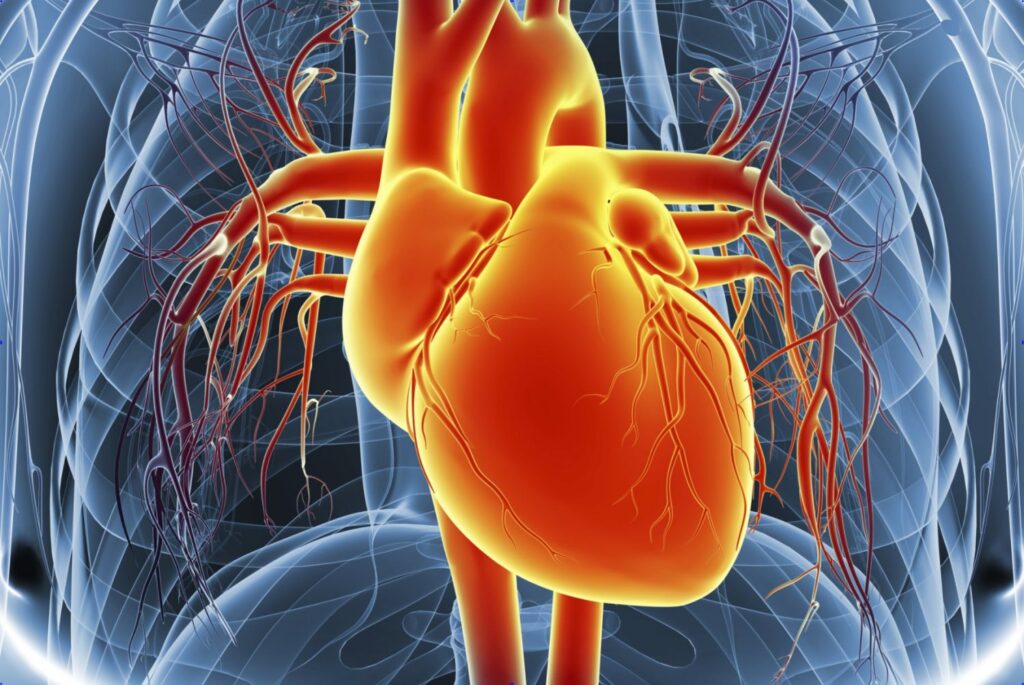
Vascular Health
Circulatory health is impacted by what we eat. Foods that are rich in sugar, excessive salt, and highly processed, can promote inflammation and stress in the vascular systems. Conversely, a healthy and nutritious diet, especially one high in fiber, antioxidants, and healthy fats, can support and improve the functioning of the endothelium and strengthen the cardiovascular system.
Drinking enough water every day is necessary. Blood circulation is positively impacted by hydration and blood thickness can be avoided. Proper hydration can fight against blood-related illnesses. Nutritional advice is also important in managing a patient’s vascular health.
When Should an Evaluation Be Done
Patients should evaluate the situation and decide if they need medical help. Swollen legs and feet, unexplained pain, varicose veins, skin color changes, and other symptoms should be evaluated by a medical expert. These symptoms can point to a medical situation and should be evaluated quickly.
Patients of the Denver Vein Doctors receive medical and diagnostic therapy, along with recommendations, and expert advice. Practice based recommendations aid in the patients veins to be restored and circulation to be restored. In this case waiting is not an option, and also can help with blood flow.
Avoiding veins doctors and other specialists should be seen as a part of the entire health keep routine, and an exercise to be avoided.
Circulatory System in the Evaluation Process
Measuring blood pressure and testing blood sugar and cholesterol levels is part of a primary health examination. This can be extended to measure vein and other circulation health. Civilized societies should have these basic evaluations to promote health and the early identification of illness. A problem with the legs, feet, or veins should be evaluated at the first instance. These simple questions can reveal symptoms of a serious medical problem.Multiple public awareness campaigns can also have an impact. People can be taught to notice potential heart attack or stroke symptoms, and similarly, they can be informed about potential symptoms of venous insufficiency. Getting patients to act on their own is good for everyone because it is preferable to treat venous insufficiency early on, before serious complications arise.
A Systematic Approach to Preventive Healthcare
A focus on interconnected health issues is more effective than addressing isolated problems. The efficiency of the body is determined by the optimal flow of blood. Circulatory health boosts energy, speeds up tissue healing, improves the immune response and allows organs to function better.
A focus on circulation should be a priority for health care systems that want to take a more genuine approach to prevention. Keeping the body and its organs alive and functioning well relies on the health of the vascular system.
Most modern medicine has a circulatory health problem, and it is a problem that is easy to fix. The circulatory system is responsible for every organ and every tissue, and as such, it must be the foundation of every preventive health care system. Protecting circulation relies on symptom awareness, movement, good circulation, and a visit to a health care provider.
With the increasing awareness in the field of vascular health, individuals and health care professionals alike, also have the opportunity to change the narrative. Instead of waiting for more severe comorbidities, premature focus on the vascular system will help in preserving mobility, comfort, and overall quality of life. Prioritizing circulatory health in preventive medicine is, without a doubt, essential for creating positive societal changes and sustaining health care systems in the future.