The human body is like a very smart machine that needs electricity and blood to keep running. The heart is the engine that pumps blood to the brain and every other part of the body. Sometimes, this engine stops working suddenly because of a glitch in its electrical system. When this happens, the person falls down and cannot breathe on their own. This is a very serious moment where every second counts for their survival. To help them, we use two main tools that work together like a perfect team. These tools are chest pushes and a special machine that gives a tiny shock.
Understanding how these two things work together is the secret to being a great lifesaver. One tool keeps the blood moving while the other tool tries to fix the heart’s rhythm. If you only use one, the person has a smaller chance of getting better. But when you use both, you are giving them the best possible care. This year, more people are learning about this powerful duo to protect their friends and family. This article will explain the science behind these steps in a very simple way. You will see how you can be a hero by using your hands and a smart machine.
How Chest Pushes Keep the Brain Alive
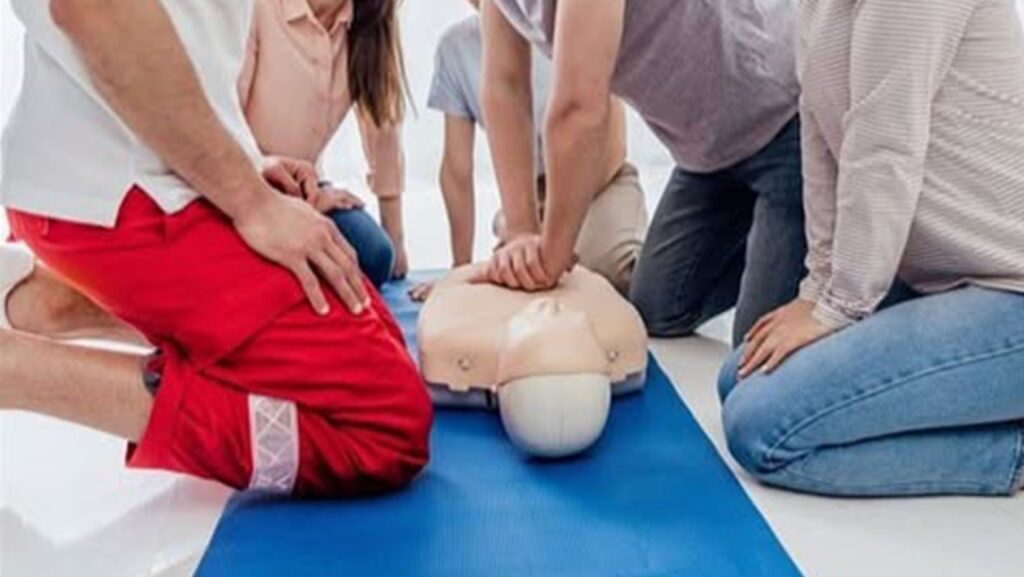
When a heart stops, it can no longer send oxygen to the brain. The brain is the control center of the body and it needs oxygen every single minute to stay healthy. If the brain goes too long without oxygen, it can get hurt very badly. This is where chest pushes, also known as CPR, come into the picture. By pushing down hard on the chest, you are manually squeezing the heart. This force pushes the blood out of the heart and up to the brain. You are acting as the heart’s backup pump until help arrives.
Chest pushes do not restart the heart, but they keep the person “alive” while you wait for a machine. It is a physical job that requires you to stay steady and strong. You must push at a speed of about two beats every second to be effective. This keeps a constant flow of blood moving through the body’s pipes. Without these pushes, the body would run out of oxygen very quickly. Your hands are the bridge that keeps the person’s life going during a crisis. It is an amazing thing that a regular person can do such an important task.
The Role of the Heart Starting Machine
While chest pushes move the blood, the CPR/AED machine has a different and very special job. This machine is a smart computer that can “read” the electricity inside the person’s heart. Sometimes the heart is not totally still, but it is shaking like a bowl of jelly. This shaking means the heart cannot pump any blood at all. The machine looks for this specific shaking and decides if a shock is needed. This shock is like hitting a reset button on a computer that has frozen.
The goal of the shock is to stop the shaking so the heart can start a normal beat again. It is a very high-tech tool, but it is made for regular people to use in public places. You do not have to be a doctor to understand the voice that comes out of the machine. It tells you exactly when to stand back and when to push the button. Using the machine as soon as it arrives is the best way to help a stopped heart. It is the only thing that can actually stop the glitch and restart the engine.
Why You Should Not Stop Pushing for the Machine
A common mistake people make is stopping the chest pushes to wait for the machine. In the science of survival, you must keep the blood moving until the very last second. When you stop pushing, the blood pressure inside the body drops down to zero very fast. It takes many more pushes to get that pressure back up to a healthy level again. This is why you should keep doing your work while someone else puts the pads on the person. The machine and your hands must work at the same time to be successful.
Think of it like a car that is being pushed down the road. If you stop pushing, the car stops moving and it is hard to get it going again. You want to keep the “momentum” of the blood flow active for the victim. Only stop when the machine tells you to stay clear so it can check the heart. As soon as the machine is done, you should go right back to your chest pushes. This teamwork ensures that the brain never runs out of the oxygen it needs to stay safe. Staying busy is the best way to be a helpful bystander during a medical event.
- Keep pushing while the other person turns on the machine.
- Do not stop until the voice tells you to stay back and not touch.
- Start pushing again immediately after the shock is given.
- Listen to the rhythm of the machine to help you keep a good pace.
The Perfect Balance of Hands and Technology
The synergy between these two tools is what makes modern life saving so effective. The chest pushes prepare the heart to receive the shock from the machine. Science shows that a heart with some blood moving through it is more likely to restart. If you only use the machine without doing any pushes, the heart might be too “empty” to start again. Your hands prepare the ground, and the machine plants the seed for a new heartbeat. It is a perfect balance of human effort and modern technology working as one.
This is why every safety class teaches both skills together instead of just one. You learn how to switch between pushing and using the machine without losing any time. Each part of the process supports the other part to create a shield of protection. It is like a dance where every move must happen at the right time. When you understand this balance, you become much more confident in your abilities. You are no longer just guessing what to do, but you are following a proven scientific plan.
Helping Different Types of Hearts Safely
Not every heart emergency is the same, and the tools know how to handle that. The machine can tell if it is being used on an adult or a small child. Some machines have special pads or a switch to make the shock smaller for a kid. The science remains the same, but the power is adjusted to be safe for a smaller body. This is why it is important to look at the pictures on the pads before you stick them on. It ensures that the electricity goes to the right place to help the heart the most.
Even if you are not sure if a shock is needed, you should still put the pads on. The machine will never give a shock if the person does not truly need one. It is built with many safety checks to make sure no one gets hurt by mistake. This takes a lot of pressure off the bystander who might be feeling nervous. You are just the helper who puts the tools in place, and the computer does the hard thinking. This partnership makes life saving accessible to every person in the community.
The Importance of Speed in a Heart Crisis
In the world of medical science, time is the biggest enemy we face. For every minute that passes without help, the chance of survival drops by about ten percent. This is a very fast drop that shows why you must act in the first few seconds. If you wait five minutes to start, the person’s chances have already gone down by half. This is why having machines in malls, gyms, and offices is such a great idea. It puts the life saving tools right where the people are, so no time is wasted.
Speed is also important when you are switching between helpers. If your arms get tired, you should have another person ready to take over. You should switch very fast so the blood flow does not stop for more than a few seconds. This constant movement is what keeps the body ready for the professional doctors. Being fast does not mean being messy or panicked, but it means being focused and ready. A quick response is often the difference between a sad story and a very happy one.
- Act as soon as you see someone collapse and not respond.
- Shout for someone to call for help and find a machine right away.
- Start chest pushes immediately while the machine is being brought to you.
- Focus on keeping a steady and fast beat without any long breaks.
How Training Builds Your Survival Mindset
Learning the science behind these tools helps you stay calm when things get scary. When you know why you are pushing, you are less likely to feel confused. You understand that your hands are a pump and the machine is a reset button. This knowledge turns fear into a clear set of actions that you can follow. Training also helps you practice the physical moves so they feel natural to your body. You build the muscle memory that stays with you even when you are stressed.
A survival mindset means you are always looking for ways to be helpful. You notice where the red boxes are on the wall when you enter a new building. You keep a small first aid kit in your car and check it every few months. This level of preparation shows that you value human life and you are a protector. It is a very proud way to live your life and a great example for your children. Training is the key that unlocks your potential to be a real world hero.
The Role of Air and Breaths in the Process
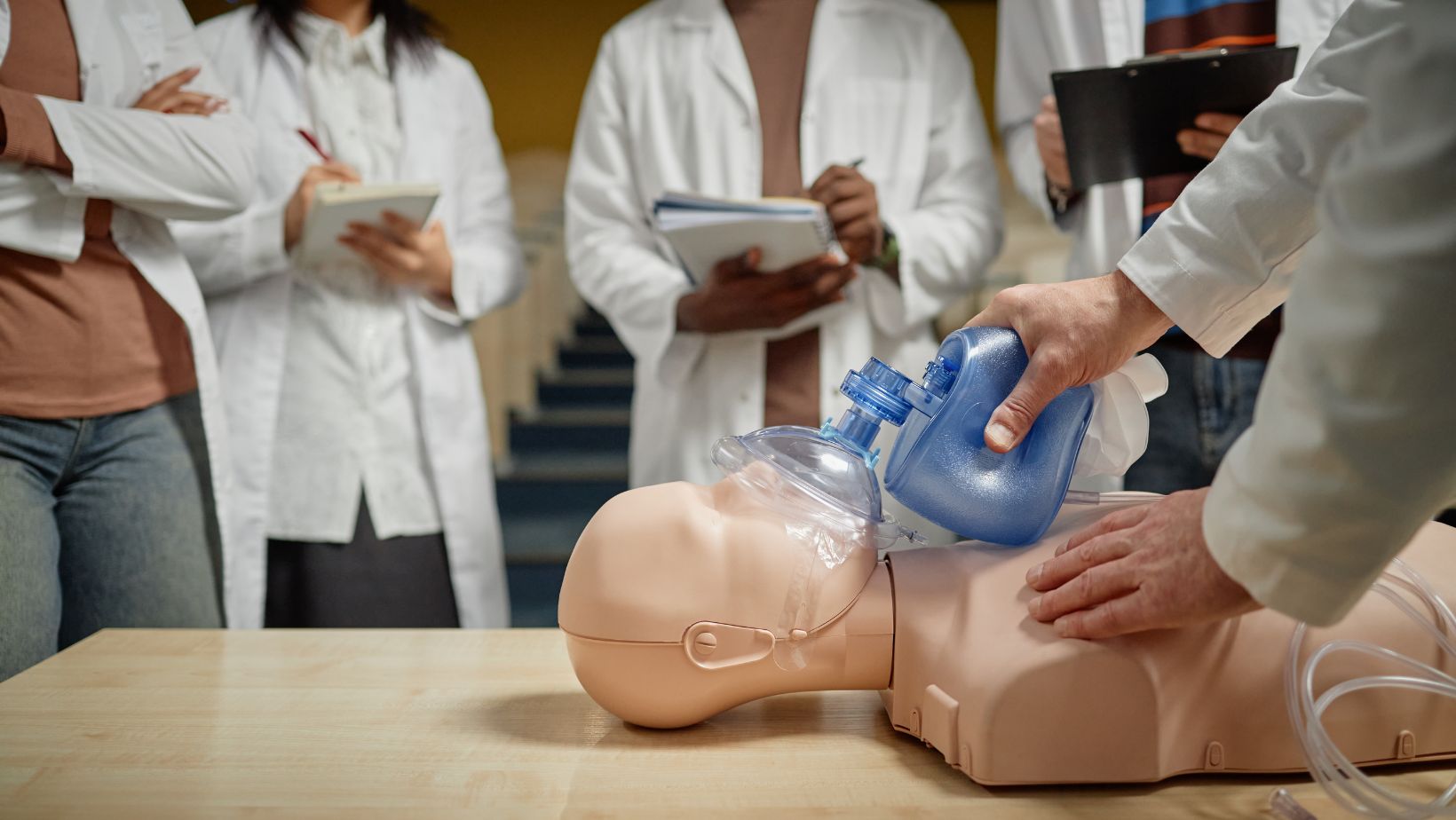
While moving blood is the top priority, the body also needs fresh air. In some types of training, you learn how to give rescue breaths to the victim. This puts new oxygen into the lungs so your chest pushes can move it to the brain. However, for many adults, the body has enough oxygen left in the blood for several minutes. This is why “hands only” care is often suggested for bystanders who are not trained in breaths. The science shows that keeping the blood moving is the most important part of the first few minutes.
If you are trained and feel comfortable, you can give two breaths after every thirty pushes. This keeps a fresh supply of air entering the system while the heart is stopped. The machine will even tell you when it is a good time to stop and give those breaths. It is all part of the same big plan to keep the person stable until the ambulance arrives. Whether you do breaths or not, the most important thing is to never stop the chest pushes for long. Air and blood work together to keep the spark of life going.
Staying Updated with Modern Safety Research
Medical experts are always looking for ways to make survival rates even better. They study real emergencies to see which steps worked the best for the victims. This research is what leads to the rules we follow in our safety classes today. For example, we now know that pushing a bit faster and deeper is better for the heart. We also know that using a machine within the first three minutes is the best goal. Staying updated with these rules ensures that you are giving the highest level of care.
Renewing your skills every two years is the best way to stay at the cutting edge. You get to hear about any new tools or simple changes that make the job easier. It is a small investment of time that has a massive impact on your ability to help. Science is always moving forward, and as a lifesaver, you should move forward with it. Your commitment to learning shows that you are a dedicated and serious member of the safety community. It keeps your mind sharp and your hands ready for any challenge.
Creating a Culture of Life Savers in Your Town
When more people understand the science of survival, the whole town becomes safer. Imagine a world where every person in a mall knows how to use a machine and do chest pushes. In that world, a heart emergency is much less scary because help is everywhere. You can help create this culture by talking to your friends about what you have learned. Encourage your workplace to get a machine for the hallway if they do not have one yet. Your voice can be the start of a very positive change in your neighborhood.
Being a lifesaver is a gift that you give to your community and your family. It is an act of love and courage that requires a little bit of study and a lot of heart. By understanding the synergy between your hands and the machine, you are ready for anything. You have the power to protect the people you care about the most. Take pride in your knowledge and stay committed to the science of saving lives. The future is bright because people like you are choosing to be prepared.