
Picture a construction site, a factory floor, or an airport tarmac. Now picture spending eight hours a day, five days a week, standing in that noise. It adds up in ways that don’t announce themselves loudly. Hearing damage from workplace noise doesn’t hurt in the moment. It just quietly chips away, year after year, until one day you realize conversations feel harder than they used to.
The frustrating part is that almost all of this is preventable. It just requires taking it seriously before the damage is already done.
Key Takeaways
- Noise-induced hearing loss builds up slowly and is largely permanent once it happens
- Sustained exposure above roughly 85 decibels is where real risk begins
- Properly fitted hearing protection makes a massive difference, poorly fitted protection barely helps at all
- Regular hearing tests catch shifts early, long before they’d be noticeable day to day
- Employers who build hearing protection into daily culture see far better outcomes than those who treat it as optional
Why Workplace Noise Is a Different Kind of Threat
Your ears can handle short bursts of loud noise just fine. It’s the sustained, repeated exposure that causes real damage, the kind you get standing next to heavy machinery for hours on end, day after day, month after month. A single loud concert isn’t the same risk profile as an entire career on a noisy shop floor, and treating the two as equivalent is exactly how people underestimate the danger.
What’s Actually Happening Inside Your Ear
Loud, sustained noise damages the tiny hair cells inside your inner ear that convert sound into signals your brain can interpret. Here’s the part that should really grab your attention: those cells don’t grow back. Once they’re damaged, they’re damaged for good, which is exactly why prevention matters so much more than treatment after the fact in this specific situation.
Early Warning Signs Workers Tend to Brush Off
Ever finish a shift and notice your ears feel muffled or “full,” like you’re underwater? That’s called temporary threshold shift, and while it usually clears up within a day, workers who notice this pattern regularly are further down a dangerous path than they probably realize. Ringing in the ears after a shift falls into the same category. It’s easy to dismiss as normal. It shouldn’t be.
Not All Hearing Protection Is Created Equal
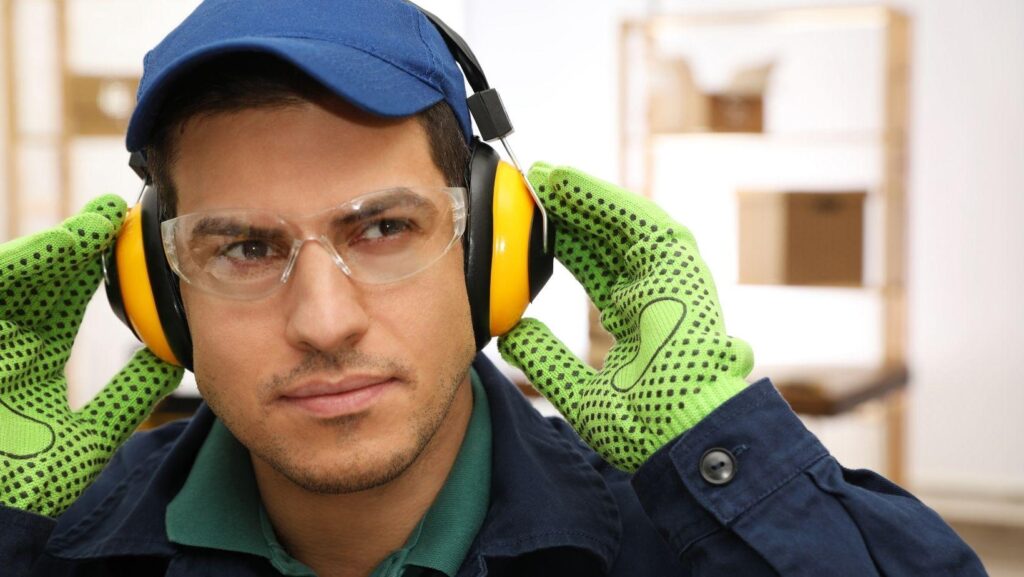
Here’s something that surprises a lot of people: foam earplugs only work well when they’re inserted correctly. Shoved in halfway, they barely help at all. For consistently loud environments, custom-molded earplugs or properly rated earmuffs offer far more reliable protection than a generic pair grabbed from a bin near the door.
Fit matters just as much as the product itself. A great pair of earplugs, worn wrong, might as well not be there.
Engineering Fixes Beat Personal Protection Alone
Smart employers aren’t just handing out earplugs and calling it a day. Quieter equipment, sound-dampening materials, and physical barriers reduce noise at the source, which combined with proper personal protection creates a much stronger safety net than either approach on its own.
Why Regular Testing Changes the Whole Equation
A baseline hearing test establishes what normal actually looks like for you specifically, and follow-up testing catches shifts long before you’d notice anything in your day-to-day life. Waiting until damage is obvious means waiting until it’s already significant. That’s a bad trade by any measure.
Organizations that invest in Industrial Hearing Safety Programs are essentially buying their workers time and options, catching small shifts while there’s still plenty of runway to act on them.
Building a Culture That Actually Sticks
The hardest part isn’t finding good hearing protection. It’s getting people to actually wear it, every shift, without exception. Workplaces that treat hearing protection the same way they treat hard hats, as a non-negotiable part of the job rather than a personal choice, see dramatically better long-term outcomes than those where it’s left up to individual discretion.
Culture beats compliance checklists every time. If protection feels optional, people will eventually treat it that way.
Your Hearing Is Worth More Than a Missed Precaution
So here’s the bottom line. Noise-induced hearing loss is almost entirely preventable, and the tools to prevent it already exist. What’s usually missing is consistent use, proper fit, and regular testing to confirm the protection in place is actually doing its job. Clinics like Discover Hearing Centre work with employers and individuals alike to build exactly that kind of testing routine. Get those three things right, and you protect something that, once lost, doesn’t come back.