
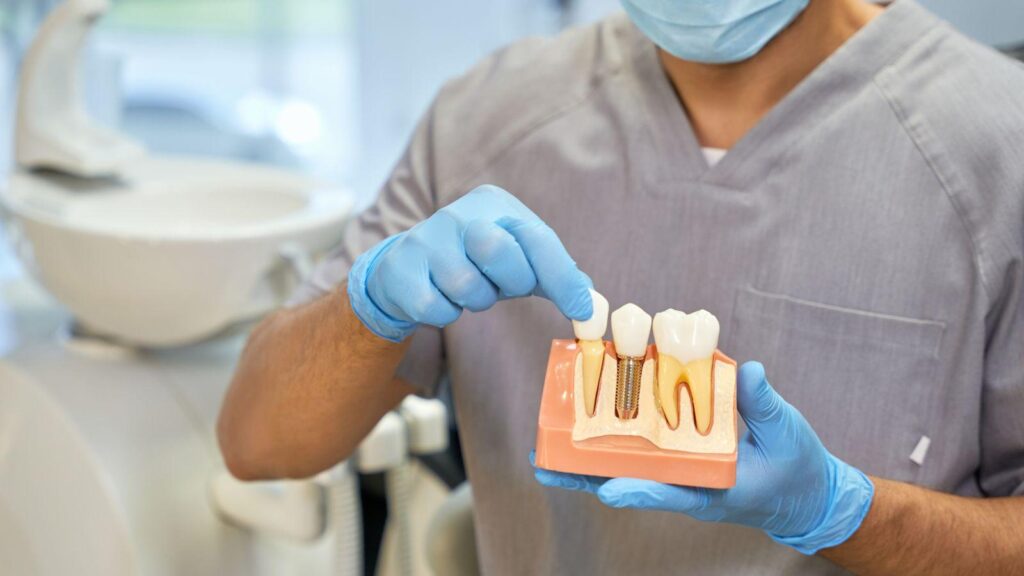
You want a tooth replacement that lasts.
With good oral hygiene, healthy bone, and regular dental care, you can expect the best dental implants in New Market, VA to last decades and often a lifetime; crowns and restorations may need replacement sooner.
This article explains what affects implant lifespan, how your habits and professional maintenance matter, and what to expect from implant performance in New Market compared with other options.
You’ll learn which patient factors and clinical choices most influence success, warning signs that need attention, and how emerging technologies may extend durability.
Core Factors That Influence Implant Longevity
The main drivers of how long an implant lasts are the implant components, the skill and technique used during surgery, and the condition of your jawbone before and after placement.
These areas determine how well the implant integrates, resists wear, and avoids complications.
Material Quality and Manufacturing Standards
Choose implants made from high-grade titanium or zirconia with documented biocompatibility and corrosion resistance.
Manufacturers that follow ISO and FDA standards provide consistent thread design, surface treatments (like roughened or plasma-sprayed surfaces), and validated sterility — all of which affect osseointegration and long-term stability.
You should ask for product specifications and evidence of clinical studies for the specific implant system your dentist plans to use.
Avoid off-label components or poorly documented aftermarket parts; mismatch between abutment and implant can lead to microgaps, screw loosening, and bacterial ingress.
Quality also applies to the prosthetic crown.
Use crowns fabricated from proven materials (porcelain-fused-to-metal, lithium disilicate, or zirconia) with precise margins and proper occlusal design to distribute forces evenly and reduce fracture risk.
Implant Placement and Surgical Expertise
Precise implant positioning determines load distribution and the risk of peri-implant bone loss.
Your clinician should plan placement with CBCT imaging, evaluate angulation, and consider prosthetic-driven positioning so the implant supports the final crown or bridge correctly.
Surgical technique matters: atraumatic extraction, appropriate primary stability, and controlled drilling protocols reduce heat generation and preserve bone.
Your surgeon should follow sterile protocol and stage implant loading based on primary stability and bone quality — immediate loading is acceptable in some cases but requires stringent criteria.
Experience with managing complications (sinus proximity, nerve location, and soft-tissue closure) reduces failure rates.
Ask about your provider’s surgical volume, complication management, and whether they collaborate with restorative specialists for coordinated treatment.
Jawbone Health at the Time of Implant
Healthy bone with adequate height and width provides the support implants need for osseointegration.
You need at least sufficient bone volume and density; if you lack this, procedures like bone grafting or ridge augmentation may be necessary before or during implant placement.
Systemic factors also affect bone healing.
Uncontrolled diabetes, long-term smoking, bisphosphonate therapy, and advanced osteoporosis reduce healing capacity and raise failure risk.
Your clinician should review your medical history and optimize controllable factors before surgery.
Postoperative bone maintenance depends on controlling infection and mechanical overload.
Proper soft-tissue management, regular hygiene, and occlusal checks help preserve peri-implant bone and extend the functional life of your implant.
Patient Habits That Affect Success
Your daily habits shape how well an implant integrates and how long it lasts.
Simple changes to brushing, smoking, and what you eat can reduce infection risk, protect bone, and prevent mechanical problems.
Oral Hygiene Practices
You must brush twice daily with a soft-bristled brush and use fluoride toothpaste to remove plaque around the implant and adjacent teeth.
Pay special attention to the gum line and the crown-abutment interface; plaque accumulation there raises the risk of peri-implant mucositis and peri-implantitis.
Daily interdental cleaning matters.
Use floss designed for implants, interdental brushes with nylon bristles (size matched to the embrasure), or a water flosser to clean between the implant and neighboring teeth.
Professional care is equally important.
Schedule maintenance every 3–6 months for plaque removal, occlusion checks, and radiographs when recommended.
Avoid abrasive pastes and metal instruments at home; these can scratch the implant crown.
If you wear a removable prosthesis over implants, remove and clean it nightly to prevent biofilm buildup.
Smoking and Tobacco Use
Smoking reduces blood flow and impairs healing, which lowers implant success rates.
Even light smoking increases the chance of bone loss and implant failure during the first year after placement, when osseointegration is most active.
If you use nicotine replacement or vaping, treat them as risk factors too; nicotine constricts blood vessels and delays tissue repair.
Quitting at least several weeks before surgery and maintaining abstinence for months afterward improves outcomes.
If you cannot quit, discuss intensified maintenance and closer follow-up with your dental team to monitor early signs of complications.
Be honest about tobacco use.
The dental team can tailor antibiotic coverage, bone graft planning, and recall intervals based on your exposure to tobacco.
Dietary Choices
Control biting forces and avoid hard or sticky foods during healing.
For the first 6–12 weeks after implant placement, stick to a soft diet—foods like mashed potatoes, yogurt, soft fish, and smoothies—so you don’t overload the implant while bone is integrating.
Long term, frequent consumption of sugary or acidic foods increases plaque and gum inflammation around implants.
Limit sugary snacks and acidic beverages, and rinse with water after consumption.
Maintain adequate protein, vitamin D, and calcium intake to support bone health; discuss supplements with your dentist if your diet is deficient.
If you grind or clench your teeth, night guards reduce excessive forces that can loosen the abutment or fracture the crown.
Your provider can fit a custom occlusal guard based on your bite.
Role of Professional Maintenance
Routine professional care preserves implant health, prevents peri‑implantitis, and identifies mechanical wear early.
Scheduled visits and targeted cleanings reduce biofilm, protect surrounding bone, and extend the functional life of your implant restoration.
Importance of Regular Dental Checkups
Attend recalls every 3–6 months as recommended by your dental team based on your risk profile.
During these visits your clinician will measure probing depths, check for bleeding on probing, and assess bone levels on radiographs when indicated.
The team evaluates the prosthetic components for loosening, wear, or fracture.
Detecting a loose abutment screw, worn crown margins, or a failing seal early allows repair before bone loss progresses.
Your systemic health and behaviors influence frequency: smokers, poorly controlled diabetics, or patients with history of periodontitis need closer surveillance.
Bring a list of medications and report changes in health or hygiene routines at each visit.
Professional Cleaning and Aftercare Protocols
Professional cleaning for implants uses instruments that avoid scratching implant surfaces—plastic, titanium, or specially coated scalers and ultrasonic tips.
Hygienists remove calcified biofilm and polish around the implant and prosthesis to restore a smooth surface that resists bacterial recolonization.
Aftercare includes patient-specific home‑care instruction: technique for interdental brushes, flossing around abutments, and use of antimicrobial rinses when indicated.
Your clinician will demonstrate angles and brush sizes, and may prescribe chlorhexidine short‑term for inflammation control.
If peri‑implant mucositis or early peri‑implantitis appears, the team applies non‑surgical therapies first (debridement, adjunctive local antibiotics) and documents response.
They’ll set a follow‑up plan and, if needed, refer for surgical management to halt progression and preserve supporting bone.
Common Reasons for Premature Implant Failure
You should know the two most common causes that lead to early implant problems: bacterial infection around the implant and excessive mechanical stress from your bite or teeth grinding.
Both can damage bone support and compromise the implant’s integration.
Peri-Implantitis and Gum Disease
Peri-implantitis is an infection of the tissues and bone around an implant that causes progressive bone loss.
It often starts with plaque biofilm buildup on implant surfaces and under the crown margin, so daily cleaning with an interdental brush and floss designed for implants is essential.
Look for early signs: bleeding when you probe or brush, gum swelling, and increased pocket depth around the implant.
If untreated, the infection destroys the surrounding bone and can loosen the implant.
Treatment options range from professional cleaning and local antibiotics to surgical debridement and bone grafting; success depends on how early you act and how much bone remains.
Risk factors you can control include smoking, poor oral hygiene, and uncontrolled diabetes.
Regular dental checkups with radiographs help detect bone loss before clinical symptoms become severe.
Bite Issues or Bruxism
Excessive force from an uneven bite or bruxism (nighttime grinding) places abnormal stress on the implant and the prosthetic crown.
Unlike natural teeth, implants lack a periodontal ligament that cushions force, so repeated overload can cause screw loosening, fractures, or bone microdamage that leads to implant failure.
Your dentist will evaluate occlusion and may use a night guard to distribute forces evenly.
For complex cases, occlusal adjustments, redesigning the prosthesis, or using additional implants to spread load can reduce risk.
Monitor for warning signs: a loose crown, new pain when chewing, or chipping of the crown material.
Address bruxism-related sleep issues and manage parafunctional habits early; doing so significantly lowers the chance of mechanical failure and prolongs implant lifespan.
Implant Performance Expectations in New Market, VA
You can expect implant outcomes similar to well-served urban areas, with high success rates when you follow pre-op evaluation and post-op care.
Local specialists and modern clinic resources directly affect how long your implant functions and how often you need maintenance.
Local Case Studies and Longevity Trends
Several New Market practices report 5–10 year success rates comparable to national averages, driven by careful patient selection and maintenance protocols.
You should look for clinics that track outcomes—survival rates, peri-implantitis incidence, and prosthesis replacement intervals—to judge likely performance for your specific case.
Pay attention to factors documented in local records: smoking status, diabetes control, bone grafting history, and timing of crown placement.
These variables correlate with higher complication rates in area case series, so controlling them improves your odds.
Ask your provider for their own data or de-identified case summaries.
Reviewing numbers like 5‑year survival percentage and average time to prosthesis repair gives you a realistic picture rather than marketing claims.
Access to Advanced Dental Technology
New Market clinics commonly use CBCT imaging, guided-surgery templates, and implant systems with platform-switching and treated surfaces.
Those technologies improve placement accuracy and primary stability, which you benefit from through lower early-failure risk and better long-term osseointegration.
Labs in the region increasingly provide CAD/CAM zirconia or hybrid prostheses with precise fits, reducing screw-loosening and ceramic fracture rates.
You should confirm whether your team fabricates restorations on-site or partners with a local digital lab, since that affects turnaround and quality control.
Also check whether your clinic offers peri-implant maintenance programs and ultrasonic debridement with appropriate tips.
Regular professional care combined with those technologies reduces biological and mechanical complications, helping your implant last longer.
Longevity Compared to Other Tooth Replacement Options
Implants typically outlast alternative restorations, but specific timelines and maintenance needs vary by option.
Expect implants to preserve bone and function longer, while bridges and dentures require more frequent replacement and ongoing adjustments.
Dental Bridges Versus Implants
A fixed dental bridge usually lasts about 10–15 years before the bridge material, cement, or supporting teeth need work or replacement.
Bridges rely on adjacent teeth for support, so you must manage those teeth carefully; decay, fractures, or root problems on abutment teeth often force bridge replacement sooner.
Implants replace the tooth root with a titanium post that integrates with bone.
The implant post can remain stable for decades with good oral hygiene and regular dental visits, while the crown attached to it typically needs replacement every 10–15 years due to wear.
Key differences:
- Durability: implant post > abutment teeth under a bridge.
- Maintenance: bridges require meticulous cleaning under the pontic; implants need routine peri-implant care.
- Long-term cost: implants often cost more up front but may be less expensive over time if you avoid repeated bridge replacements.
Dentures Versus Implants
Removable dentures generally last 5–10 years before rebasing, relining, or replacement becomes necessary because jawbone shrinks over time.
You will likely need periodic adjustments to maintain fit, and dentures do not prevent the bone loss that accelerates fit issues.
Implant-supported dentures or individual implants preserve bone and provide far greater chewing force and stability.
An implant-retained denture can reduce long-term maintenance and refitting frequency compared with a conventional denture.
Considerations for choice:
- Function: implants provide closer than-denture bite strength and comfort.
- Bone health: implants slow resorption; dentures do not.
- Maintenance schedule: dentures need more frequent professional relines and possible replacements; implants require regular exams and occasional crown work but less frequent full replacement.
Signs That an Implant May Need Attention
You may notice persistent pain around the implant that doesn’t improve with over-the-counter pain relief. Pain that worsens during chewing or feels sharp when biting can signal a problem that needs a dentist’s evaluation.
Swelling, redness, or bleeding of the gums near the implant can indicate inflammation or infection. If you see pus or a bad taste or smell coming from the implant site, contact your dental team promptly.
A mobile or loose implant is a clear warning sign. Implants should feel stable; any movement suggests bone integration has failed or the implant hardware is compromised.
You might experience changes in how your bite feels or difficulty chewing comfortably. Shifting crowns, new gaps, or altered tooth alignment around the implant warrant professional assessment.
Receding gums that expose more of the implant or metal components deserve attention. Gum recession increases sensitivity and the risk of infection and may require soft-tissue or restorative treatment.
Use this checklist to track symptoms before your visit:
- Pain: persistent or increasing
- Swelling/redness: localized near implant
- Mobility: any looseness or shifting
- Function: changes in bite or chewing
- Signs of infection: pus, bad taste, fever
Document when each symptom started and any triggers you notice. Bring this information to your appointment to help your dental team diagnose and treat the issue efficiently.
Emerging Innovations Impacting Implant Durability
You will see new implant materials that aim to improve long-term strength and tissue response. Zirconia and titanium-zirconium alloys reduce corrosion and wear compared with older pure-titanium designs, which can lower the risk of mechanical failure over decades.
Digital workflows and 3D printing let you receive implants and custom abutments with tighter tolerances. That precision improves load distribution and fit, which reduces micro-movement and stress concentrations that contribute to fracture or bone loss.
Surface engineering advances, such as laser-microtextured grooves and nano-roughening, enhance bone and soft-tissue integration. Better osseointegration shortens healing time and creates a more durable bone-implant interface.
Smart implants and sensor integration allow ongoing monitoring of load, temperature, and inflammation markers. These technologies can alert you and your clinician to problems early, enabling minimally invasive intervention before catastrophic failure.
Maintenance and peri-implant disease management tools, including improved diagnostics and targeted antimicrobial coatings, lower the incidence of peri-implantitis.
Key innovations at a glance:
- Materials: zirconia, Ti-Zr alloys, scaffold-based designs
- Manufacturing: 3D printing, CAD/CAM precision
- Surface tech: laser microtexturing, nano-roughening
- Smart features: embedded sensors, remote monitoring
- Biologic strategies: antimicrobial coatings, improved diagnostics
You should discuss these options with your VA dental team to determine which innovations suit your clinical needs and long-term goals.
Long-Term Benefits for Patient Health and Lifestyle
Dental implants restore chewing efficiency close to that of natural teeth. You can eat a broader, healthier diet without avoiding crunchy or fibrous foods.
Improved nutrition supports overall health. Implants help preserve jawbone volume by transmitting normal chewing forces to the bone.
This slows bone loss and maintains facial structure. That preservation reduces the likelihood of future complex procedures to rebuild bone.
You gain stable, long-lasting tooth replacement that rarely needs full replacement when you maintain good oral hygiene and regular dental visits. Fewer replacements mean lower cumulative costs compared with removable dentures or frequent bridge repairs.
Confidence and social comfort often improve because implants feel and look like real teeth. You can speak and smile without worrying about slipping prosthetics.
Benefits at a glance:
- Durability: Decades of function with proper care.
- Oral health: Less pressure on adjacent teeth and reduced bone loss.
- Functionality: Better chewing and speech compared with removable options.
- Lifestyle: Greater comfort, confidence, and fewer ongoing adjustments.
Your long-term success depends on factors such as oral hygiene, smoking status, systemic health, and follow-up care. Maintain routine cleanings and report any changes promptly to protect your investment.