
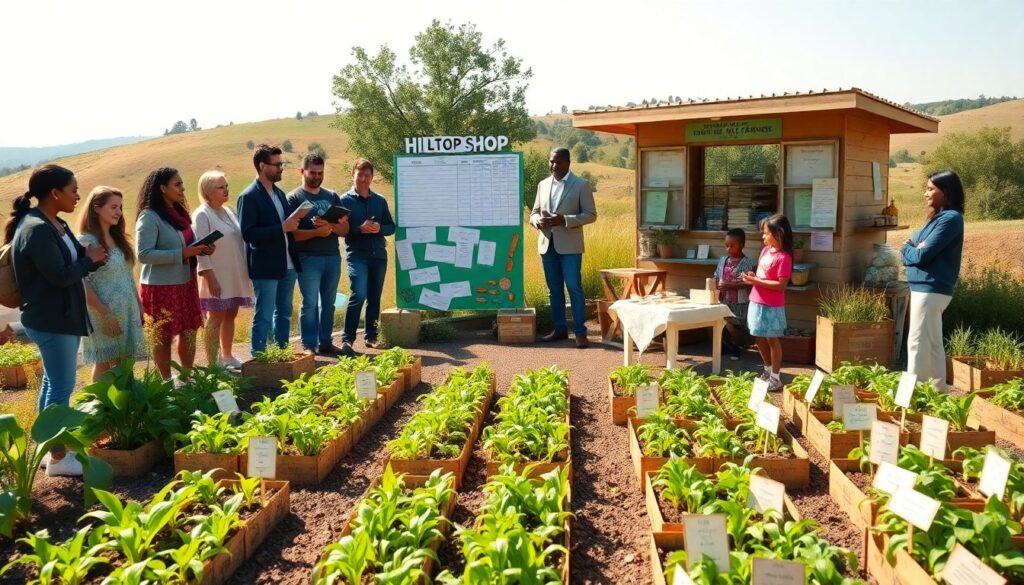
The phrase cornfotgloblhelth spirituality gardening hill shop game appears here to link farming, belief, and play. The article shows how corn, gardens, and small games can teach health and build community. It explains clear steps and simple designs. It gives practical examples that readers can try in a village, a town, or a classroom.
Key Takeaways
- Cornfotgloblhelth spirituality gardening hill shop game links corn cultivation with health education, community building, and spirituality to improve global health outcomes.
- Growing corn and diverse gardens teaches nutrition and hygiene while fostering social ties through shared rituals and storytelling.
- The hilltop shop game educates participants on business skills, nutrition, and cooperative health actions using simple materials and a rewarding system.
- A step-by-step seed-to-shelf gardening project builds skills, supports healthy diets, and generates income for essential community needs like soap and seeds.
- Regular group meetings and reflections enhance learning, track progress, and sustain practices that promote diet diversity and health improvements.
- Incorporating spirituality and culture into gardening and health activities strengthens community bonds and encourages the adoption of health-positive behaviors.
How Corn, Gardening, And Spirituality Intersect To Support Community And Global Health
Corn acts as food, income, and culture in many places. Cornfotgloblhelth spirituality gardening hill shop game links corn to health education. It shows how growing corn can teach nutrition, hygiene, and care. A community grows corn in shared plots. The group meets weekly and they discuss diet and local illness patterns. A leader guides the talk and the group practices handwashing and safe food storage.
Gardens supply vegetables and herbs that people can use for meals and home remedies. The group uses simple tests to show how plants improve diet. They record changes in children’s weight, energy, and school attendance. Data stays local and people use it to ask for help from health workers.
Spiritual practices give people a reason to gather. The group uses short prayers or songs to mark planting and harvest. These rituals strengthen social ties. Strong ties increase information sharing about vaccines and water safety. The approach links spiritual support to clear health actions.
Cornfotgloblhelth spirituality gardening hill shop game invites local storytellers to connect old knowledge to new practices. Storytellers explain why certain crops matter and how a garden supports a sick neighbor. They show simple recipes for balanced meals. The stories keep the message simple and memorable.
Local leaders track food sales from garden surpluses. The income pays for soap, seeds, and school supplies. The project uses small records that anyone can read. This transparency builds trust and keeps projects running. The model shows how corn and gardens can support both body and community.
Designing A Hilltop Shop Game: Combining Local Enterprise, Play, And Purpose
A hilltop shop game can teach business, nutrition, and care. Cornfotgloblhelth spirituality gardening hill shop game frames the shop as a classroom and a market. Players act as farmers, shopkeepers, and customers. They trade produce, fix prices, and decide how to spend profits. Each choice links to a health outcome.
Design starts with clear goals. The game sets goals for income, diet diversity, and community services. The game uses simple currency tokens and labeled seed cards. It uses a three-week cycle: plant, harvest, sell. Each week the group meets to reflect on choices and results. A facilitator keeps time and notes outcomes.
The game rewards cooperative behavior. If players share seeds or cover a neighbor’s medical costs, the group gains a bonus token. The bonus token buys a soap bundle or a learning session with a health worker. This reward system shows how local enterprise can fund public health actions.
The hilltop shop can run in one day or over several weeks. A one-day session works for festivals and school fairs. Multiweek play fits adult groups who want extended learning. The setup uses inexpensive materials: cardboard shops, seed packets, and paper tokens. The low cost makes the game easy to scale.
Cornfotgloblhelth spirituality gardening hill shop game includes a script for facilitators. The script has short prompts for reflection. It asks players to name one health change they will try in the next week. It asks them to record one spiritual or cultural practice that supports that change. The combined focus keeps the activity grounded and practical.
Practical Steps: Seed‑To‑Shelf Gardening Projects That Teach Global Health Concepts
Step 1: Plan the plot. The team picks a small site and lists crops. They include corn and at least three vegetables. They assign roles: planter, waterer, monitor. The monitor records plant growth and any pest issues.
Step 2: Teach basics. The group holds a short class on safe planting, compost, and water use. They teach handwashing, safe food prep, and how to store grain. They include a short spiritual or cultural practice to start each session.
Step 3: Plant and care. The team plants seeds and follows a simple watering schedule. They note growth in a shared log. The log shows yields and any health observations, such as fewer stomach complaints.
Step 4: Harvest and process. The group harvests crops together. They teach simple processing like drying corn and storing it in clean containers. They test a recipe that mixes corn with greens and protein to show better nutrition.
Step 5: Sell or share. The group opens a small hilltop shop or a table at a market. They sell surplus goods and use proceeds to buy soap and seeds. They keep clear accounts and decide publicly how to spend funds.
Step 6: Play the shop game. They run the hilltop shop game to simulate business choices. The game stresses fair pricing, safe food handling, and reinvestment for health.
Step 7: Evaluate. The team reviews the log and sales records after one season. They measure diet diversity, school attendance, and simple health indicators. They discuss which practices they will keep.
Cornfotgloblhelth spirituality gardening hill shop game ties each step to clear outcomes. The process gives people skills, income, and a way to support health in their community.