
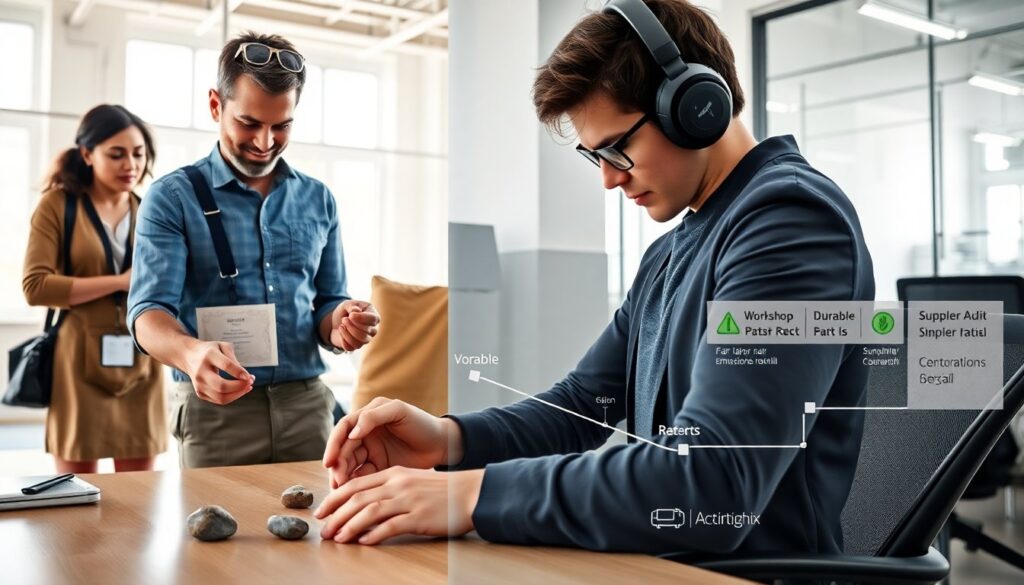
Ethical philosophy travel pebble purchase gamer comfortglobalhealth guides buying choices in 2026. The reader sees how small purchases affect people and places. The article names clear actions. It links souvenir choices, gamer comfort, and public health. It shows how buyers can reduce harm, support fair labor, and protect ecosystems.
Key Takeaways
- Ethical philosophy travel pebble purchase gamer comfortglobalhealth emphasizes that even small buying decisions, like choosing a travel pebble, have significant impacts on local ecosystems and labor conditions.
- Consumers should ask about the origin, environmental impact, and fair labor practices behind products to reduce harm and support sustainable supply chains.
- Choosing durable, repairable gamer comfort products made with transparent, ethical practices helps minimize environmental damage and promotes worker health worldwide.
- Individual ethical purchases collectively influence markets, encouraging companies to adopt safer materials and fair labor, which supports global health improvements.
- Buying with an ethical philosophy connects consumer comfort to broader public health outcomes and environmental protection, making purchasing a meaningful civic act.
Why Ethical Philosophy Matters When You Buy A Travel Pebble—or Any Souvenir
Ethical philosophy travel pebble purchase gamer comfortglobalhealth matters when a person buys a pebble. A traveler picks a pebble, and that choice impacts a local beach, a seller, and sometimes a supply chain. A simple purchase can harm habitats if sellers remove protected sand or shells. A buyer can also support local income when the seller works fairly. Ethical choices reduce environmental damage and reduce exploitation.
A traveler should first ask where the souvenir came from. The buyer should ask whether the item came from a protected site. The buyer should ask whether the seller paid fair wages. The buyer should ask if the transport used clean methods. These questions shape whether the purchase helps or harms.
Ethical philosophy travel pebble purchase gamer comfortglobalhealth appears odd as a string. Yet the phrase reminds a reader that ethics link distinct items. A pebble, a gaming chair, and public health policies all share supply lines and labor. A buyer who thinks ethically will prefer items that show clear origin, fair pay, and low environmental cost. That approach reduces risk for communities and ecosystems.
Practical Questions To Ask Before Purchasing: Environment, Culture, And Supply Chains
A buyer should ask specific practical questions before purchase. The buyer asks: Was the item removed from a protected area? The buyer asks: Did removal change the local landscape? The buyer asks: Who made the item and how were they paid? The buyer asks: Did transport add excessive emissions? The buyer asks: Does the local culture view the item as sacred?
A traveler should prefer items with clear documentation. A buyer should prefer sellers who display proof of sourcing. A buyer should choose items made by local artisans who earn fair pay. A buyer should avoid items that require large-scale extraction or that harm wildlife.
Ethical philosophy travel pebble purchase gamer comfortglobalhealth should guide these questions. The phrase links the product choice to wider impacts. The buyer who asks clear questions will reduce harm and increase benefit for local people.
Designing Gamer Comfort With Ethics In Mind: Materials, Labor, And Longevity
A company designs a gaming chair and must consider materials, labor, and longevity. Designers choose fabrics and foams that last longer and that come from lower-impact sources. Designers avoid materials that cause pollution. The firm selects suppliers who document safe working conditions and fair wages. The firm audits factories and prefers transparent partners.
A gamer looks for comfort that lasts. A gamer buys a chair with repairable parts and replaceable cushions. A gamer checks whether manufacturers offer spare parts and repair guides. A gamer values a product that reduces waste. A gamer also values humane labor practices behind the product.
Ethical philosophy travel pebble purchase gamer comfortglobalhealth ties here because production choices affect global health. Materials that release toxic chemicals can harm factory workers and nearby communities. Poor labor conditions can spread disease and reduce access to care. A manufacturer that uses safer materials and fair labor reduces those risks.
A buyer can check certifications and warranty terms. A buyer can prioritize brands that publish third-party audits. A buyer can extend product life through basic repairs. These steps support comfort while limiting harm to people and environments.
How Individual Choices Aggregate: The Link Between Consumer Comfort And Global Health Outcomes
Individual purchases add up over time. A thousand buyers choose cheap, short-lived gear. Factories increase output and lower safety standards to meet demand. Those changes stress local clinics and increase pollution. A different pattern can occur when buyers choose durable, fairly made items. Producers then invest in safer factories and cleaner inputs.
Ethical philosophy travel pebble purchase gamer comfortglobalhealth maps how choices scale. A person who buys one pebble without vetting may cause little change. Many such purchases can erode a shoreline. A gamer who buys a disposable chair spurs mass production that harms workers. Many buyers who choose well create market pressure for safer goods.
Policy makers and health officials track these links. They measure pollution, worker illness, and access to care. They then push for standards that reduce harm. Companies respond when consumers demand transparency and longevity. Consumers who count social and environmental factors in buying help improve global health outcomes.
A reader should see buying as a civic act. A buyer can prefer local artisans, repairable products, and clear sourcing. A buyer can ask brands for audits and parts. These choices combine to protect ecosystems, support fair work, and lower health risks across communities.
Ethical philosophy travel pebble purchase gamer comfortglobalhealth can sound abstract. Yet the phrase points to a simple truth: choices matter. Small acts change markets and change public health.