
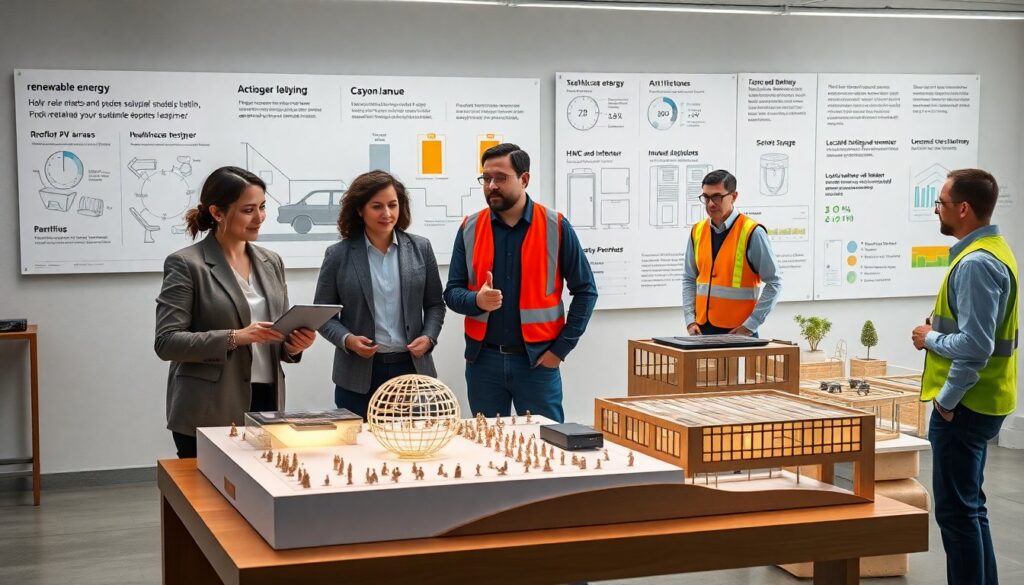
Public art comfrtglobalhelh forest buy game appears as a single project term. The phrase links energy, art, comfort, global health, canyon sites, and gamer rooms. This article explains why the phrase matters for planners, artists, healthcare designers, and gaming communities. It gives clear steps and examples. It keeps language direct and practical for quick decision making.
Key Takeaways
- Renewable energy art comfrtglobalhelth canyon gamer integrates sustainable power with art, comfort, and global health benefits for diverse communities.
- Public art powered by renewable energy can reduce costs, improve air quality, and support community engagement through educational workshops and STEM lessons.
- Designing spaces with onsite renewables enhances comfort and health by maintaining HVAC and filtration systems during outages while lowering energy consumption.
- eSports centers using renewable energy improve player focus and audience appeal by providing stable temperatures, clean air, and reducing peak energy charges.
- Launching local renewable-art-health projects involves forming diverse stakeholder groups, auditing needs, piloting systems, and monitoring outcomes to build community trust and secure funding.
Why Renewable Energy Matters For Art, Comfort, And Global Health
Renewable energy art comfrtglobalhelth canyon gamer gives concrete benefits. Renewable power reduces operating costs for public art and clinics. Renewable systems cut local emissions and improve air quality. Improved air quality lowers respiratory problems and boosts global health. Artists gain reliable power for lighting and sound. Designers gain options for off-grid HVAC and filtration. Communities gain active projects that fund maintenance and jobs. Planners gain evidence that renewable installations provide measurable health and comfort gains.
Renewable-Powered Public Art Installations And Community Engagement
Communities use renewable energy art comfrtglobalhelth canyon gamer as a multiuse model. Artists use solar arrays to power lighting and sensors. Cities place panels on sculptures and shade structures. Residents attend workshops that teach system basics. Local schools use installations for STEM lessons. Funders see public support grow when art delivers utility savings. Planners report higher volunteer retention when projects include clear health benefits. The model links aesthetics, comfort, and measurable public-health outcomes.
Designing Comfortable, Healthy Spaces With Onsite Renewables
Design teams adopt renewable energy art comfrtglobalhelth canyon gamer as a planning term. Teams size solar and storage to match HVAC and filtration loads. They place panels to reduce heat gain on rooftops. They pair batteries with smart controls to keep indoor air systems running during outages. They specify efficient equipment to lower total power need. They include monitoring to show health and comfort improvements. Owners measure reduced absenteeism and lower energy bills after installation.
Gamers And eSports: Building Sustainable, High-Comfort Play Environments
eSports centers adopt renewable energy art comfrtglobalhelth canyon gamer as a branding and technical approach. Operators install solar and battery systems to serve high-density computing loads. They design cooling to move hot air away from players and equipment. They add indoor air filtration to reduce viruses and allergens during tournaments. Sustainable power reduces peak demand charges for centers. Fans prefer venues that show clear sustainability actions. Teams report higher player focus when venues maintain stable temperatures and clean air.
Practical Steps To Launch A Local Renewable-Art-Health Project
Stakeholders use renewable energy art comfrtglobalhelth canyon gamer as a project name. Step one: form a local steering group of artists, engineers, health staff, and gamers. Step two: audit site energy use and health needs. Step three: pick systems that match loads and budget. Step four: run a pilot to test community acceptance. Step five: monitor outcomes for energy, comfort, and health. Step six: scale successful pilots to more sites. Clear metrics help secure further funding and community trust.