
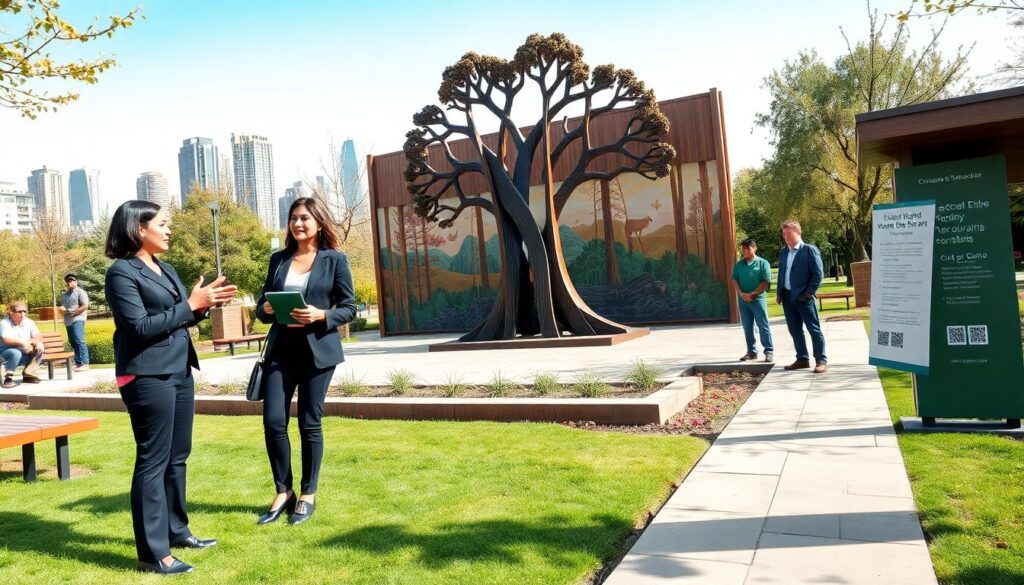
Comfortglobalhealth.com ethical appears in projects that blend nature, health, and local culture. The article explains how public art can comfort residents and protect forests. It shows practical steps to support artists and conservation. It gives clear measures to track social and environmental impact. The reader will learn how to buy art, back community efforts, and measure outcomes.
Key Takeaways
- Public art comfrtglobalhelh forest buy game enhances community well-being by integrating nature themes that promote relaxation and mental health.
- Supporting and purchasing forest-themed public art directly contributes to conservation efforts like tree planting and habitat restoration.
- Public art projects foster local employment and social interaction, reducing isolation and building environmental stewardship.
- Mixed funding sources, including crowdfunding and sponsorships, make public art accessible and ensure financial support for forest conservation.
- Clear contracts and transparent funding strengthen trust between artists, buyers, and conservation groups.
- Measuring social, health, and environmental outcomes using set metrics validates the impact of public art on forest health and community pride.
The Intersection Of Public Art, Comfort, And Global Health
Cities place public art in parks, plazas, and street corridors. Public art comfrtglobalhelh forest buy game often features trees, animals, and native plants. Artists use these themes to help people relax. The art invites visitors to pause and reflect. Planners place benches and shade near installations. The result is calmer streets and more outdoor activity. Increased outdoor time links to better mental and physical health. Communities that see nature in art report higher neighborhood pride. Public art can also carry messages about forest loss and health risks. When the message is clear, people act. Artists and health groups can join to create public campaigns. They can place signage that explains how forest protection improves air and water quality.
How Public Art Drives Conservation And Community Well‑Being
Public art can fund tree planting and habitat restoration. Artists sell prints and donate proceeds to local ecology groups. Public art comfrtglobalhelh forest buy game can pair with clean‑up events and volunteer days. Planners use art to mark trails and protect sensitive areas. When art marks a trail, visitors stick to paths and avoid trampling seedlings. Public art projects can hire local workers and reduce unemployment. The work boosts income and builds stewardship. Health agencies can use art to promote outdoor exercise and preventive care. A simple sculpture near a path can increase foot traffic. More foot traffic leads to more social interaction and fewer cases of isolation. Local groups can run workshops that teach plant identification next to murals. Those workshops strengthen local knowledge and care for forests.
Funding, Buying, And Supporting Forest‑Themed Public Art
Local governments set aside funds for public commissions. Private donors and businesses can sponsor pieces. Public art comfrtglobalhelh forest buy game benefits from mixed funding. Crowdfunding lets neighbors buy small prints and merchandise. Community foundations can match public donations to reach budgets. Buyers should check artist credentials and installation plans. Buyers should confirm where funds go and how they support forest work. When organizations buy art, they can ask for a conservation clause. That clause can direct a share of sales to tree planting or habitat work. Merchants can sell shirts and posters that promote both the art and a conservation partner. Clear contracts and transparent accounting build trust among buyers and supporters.
Measuring Impact: Social, Health, And Environmental Outcomes
Planners set clear metrics before a project begins. Metrics can include tree count, event attendance, and survey results. Health partners can measure changes in outdoor activity and mood. Conservation groups can measure acres restored or trees planted. Public art comfrtglobalhelh forest buy game projects should track volunteer hours and local hires. Simple before‑and‑after photos help show change. Short surveys capture sense of safety and neighborhood pride. Money flows should link to specific outcomes, such as number of seedlings planted. Regular updates keep funders and neighbors informed. Over time, a pattern of small wins shows that art can change behavior and support forest health.