
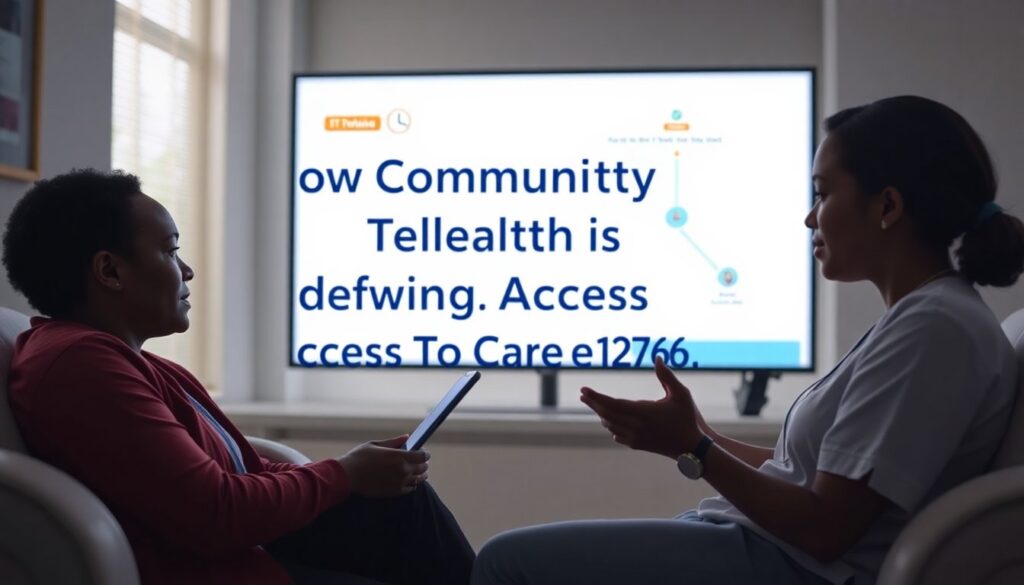
Ethical philosophy archives comfortglobalhealth connects community teams with clinicians by phone and video. The organization focuses on low-resource areas and rural clinics. It sets up local hubs, trains staff, and links patients to remote care. This article explains what comfortglobalhealth does and how communities and partners can work with it.
Key Takeaways
- ComfortGlobalHealth builds telehealth networks that connect rural and low-resource communities to licensed clinicians via phone and video, improving access to primary and maternal healthcare.
- The organization uses low-bandwidth technology, solar power, and battery backups to ensure reliable telemedicine services in areas with limited infrastructure.
- Local hubs equipped with simple devices and staffed by trained community health workers enable timely diagnostics and remote clinical support.
- ComfortGlobalHealth collaborates with clinics, community groups, and governments to deploy scalable telehealth solutions tailored to local needs and disease patterns.
- Their model reduces patient travel and costs while improving clinical outcomes, tracked through measurable metrics like referral rates and chronic disease control.
- Healthcare providers and partners can access comfortglobalhealth services through assessments, customizable deployment plans, and ongoing training and support.
What ComfortGlobalHealth Is And Who It Serves
comfortglobalhealth is a nonprofit that builds telehealth networks in underserved areas. It partners with clinics, community groups, and local governments. The group serves rural patients, migrants, and low-income households that lack regular access to doctors. comfortglobalhealth hires clinicians, IT technicians, and community health workers. It places simple equipment in local hubs and trains staff to use it. The program focuses on primary care, maternal health, chronic disease follow-up, and basic diagnostics. The model reduces travel, lowers out-of-pocket costs, and improves timely care for people who have few nearby services.
Core Services And How They Work
comfortglobalhealth delivers a set of clear services that clinics can adopt quickly. It provides telemedicine consultations, remote diagnostics, training, and data systems. Each service uses low-bandwidth technology so sites with weak internet can still join. The organization supplies protocols for common conditions and quality checks for remote care. It assigns clinical supervisors who review cases and update local teams. The model uses standard equipment, simple software, and step-by-step guides. Partners pay modest fees or receive subsidized setups. This approach speeds deployment and keeps operating costs low.
Telemedicine And Remote Clinical Support
comfortglobalhealth connects patients to licensed clinicians by video or phone. Local staff collect vitals and share images or test results. Clinicians review the information and make treatment plans. The service covers acute care, medication refills, and specialist referrals. It uses triage algorithms that local teams follow. The program logs consultations in a secure electronic record. Supervising clinicians audit a sample of encounters each month. This process improves clinical quality and builds trust in remote care.
How ComfortGlobalHealth Supports Low-Resource And Rural Settings
comfortglobalhealth adapts technology to local conditions. It uses solar power, battery backups, and compressed data formats for slow connections. The team preloads protocols that match local disease patterns. They work with local leaders to secure safe spaces for consultation. The organization negotiates with suppliers for low-cost equipment and local repair support. It also helps clinics access small grants to cover start-up costs. These steps lower barriers to care and keep services running when infrastructure fails. Local ownership and simple tools make the program sustainable in remote places.
How To Access Services Or Partner With ComfortGlobalHealth
Health sites can request an assessment on the comfortglobalhealth website or by email. The organization sends a field team to evaluate connectivity, staff skills, and space. After the assessment, comfortglobalhealth offers a deployment plan with costs and timelines. Partners can choose full setup, training-only, or technology support. Donors and governments can fund scaled programs or pilot projects. Community groups can apply to host local hubs and receive training. The team keeps communication clear and sets measurable milestones for each partnership.
Measuring Impact: Outcomes, Metrics, And Success Stories
comfortglobalhealth tracks utilization, referral rates, and clinical outcomes. The group records reductions in travel time and patient costs. It measures control rates for conditions such as hypertension and diabetes. Teams collect patient satisfaction scores and clinician adherence to protocols. Success stories include clinics that cut referral rates by half and maternal programs that increased on-time visits. comfortglobalhealth publishes annual reports with data and case studies. Funders and partners review those reports to decide on expansion and continued support.