
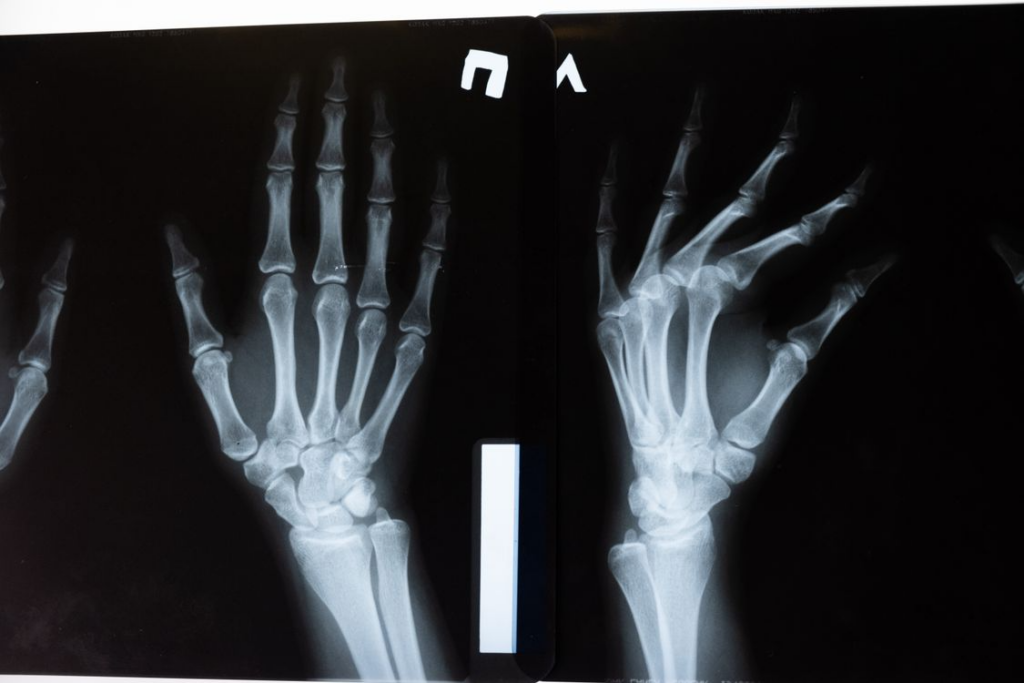
Skeletal wellbeing is easy to overlook until something feels wrong. Strong bones protect internal organs, help the body move, and allow people to stay active. Many adults focus on heart checks, weight management, and exercise, while the body’s frame receives less attention.
This condition can develop slowly. It may not cause clear symptoms at first. A person may only notice a problem after a minor fall causes a break. A DEXA scan may be recommended when a clinician needs to measure internal mineral content and estimate the chance of future injury.
What the Term Means
The skeleton is living tissue. It changes throughout life as old material is removed and new material is formed. During childhood and early adulthood, rebuilding usually happens faster than loss. This helps the body develop a stronger frame.
As people get older, their health and mobility can decline quickly. This may reduce stability over time. The term describes the amount of mineral material present in the structure. Higher readings usually suggest better support, while lower values may make fractures more likely.
Several factors can influence this process. These include age, hormone levels, diet, activity level, some illnesses, medicine use, smoking, alcohol intake, and family background. Some can be improved through consistent habits. Others need regular checks and professional advice.
What Reduced Readings Can Mean
A lower reading means the skeleton contains less mineral material than expected. This can make it more fragile. Most of the ageing population does not know they have this issue because symptoms are often absent.
Daily activities may continue as normal. In some cases, the first sign is an injury after a small fall or light impact. Testing may be considered for someone with a history of breaks or concerns about physical resilience.
A low result does not always mean osteoporosis is present. However, it may indicate a higher risk of developing that condition later. Early review can guide follow-up, daily changes, and treatment decisions where needed.
What Is Involved in the Test?
A DEXA test uses dual-energy X-ray absorptiometry. It uses a very low dose of X-rays and is usually quick and painless.
The appointment often focuses on the hip and lower spine. Damage in these areas can affect mobility, independence, and quality of life. During the appointment, the person lies on a table while the machine takes the required measurements.
The report shows whether the measurement is within the expected range. It can also provide advice on movement, nutrition, follow-up, or treatment.
When Might Testing Be Recommended?
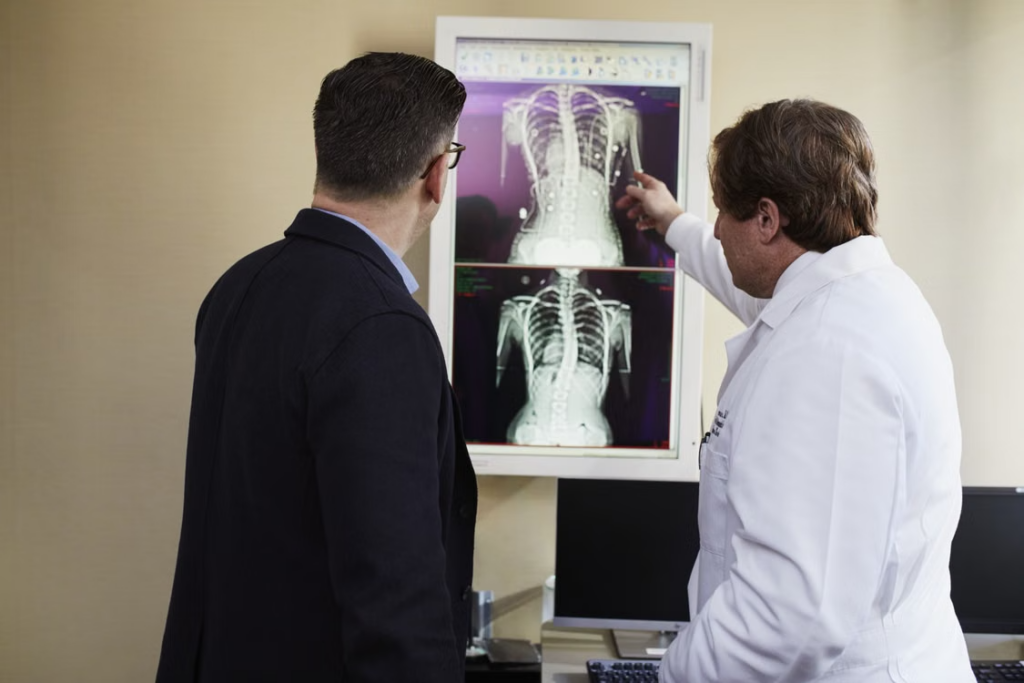
A doctor may suggest this assessment in several situations. The decision usually depends on medical background, personal factors, and past breaks.
Seniors may need closer attention because physical stability often decreases with age. A break after a minor fall may also suggest weakness.
Some illnesses may affect the way the body builds or maintains its frame. These may include hormone-related issues. They may also include digestive problems that affect how the body absorbs nutrients. Inflammatory disorders, kidney disease, and other ongoing concerns may also play a role. Certain medicines can also play a role, especially prolonged steroid use.
What the Report Can Show
The report may assist clinicians:
- measure internal readings
- identify reduced content
- assist osteoporosis review
- estimate future injury likelihood
- monitor changes over time
- guide treatment decisions
The result is only one part of the wider clinical picture. A doctor will usually consider age, symptoms, medications, lifestyle, family background, prior injuries, and other test results before providing clinical guidance.
Understanding Osteoporosis
Osteoporosis makes the skeleton more fragile. This can increase the likelihood of damage, especially after a fall or a minor impact. It can affect both men and women, although the chance often increases with ageing.
Many adults do not know they have it until a break occurs. Common injury sites include the hip, spine, and wrist. These events can affect mobility, independence, and daily life.
This imaging test can identify reduced readings before a serious problem happens. If the report is concerning, a doctor may recommend follow-up, habit changes, medication, or specialist review.
Factors That May Increase Concern
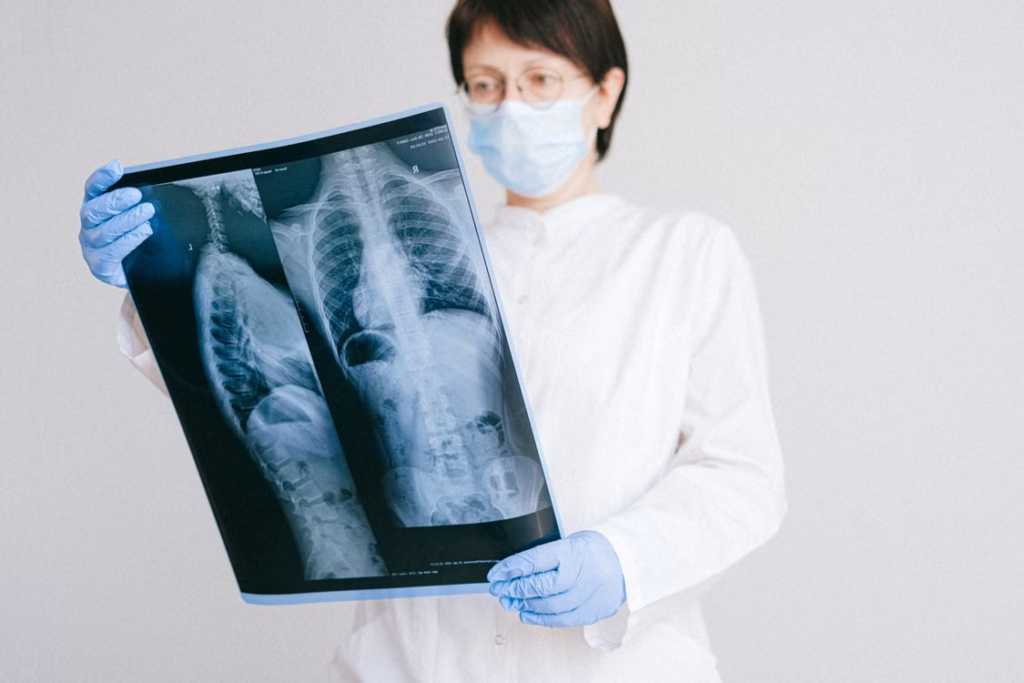
Some personal and daily factors may increase the likelihood of reduced readings. These include:
- increasing age
- low activity level
- poor nutrition
- low calcium intake
- low vitamin D intake
- certain illnesses
- smoking
- certain medicines
- earlier breaks after minor falls
- excessive alcohol intake
Having one or more of these factors does not mean a person will definitely develop low bone density. It may, however, increase the need for review or monitoring.
Supporting Physical Resilience
Healthy routines can help maintain a stable frame throughout life. This can include a varied diet, enough calcium, suitable vitamin D intake, and regular weight-bearing exercise.
Examples include walking, stair climbing, dancing, and resistance exercises. The right activity depends on fitness, health status, and personal ability. Anyone with an existing condition should get professional guidance before beginning a new exercise routine.
Avoiding smoking, limiting alcohol intake, and maintaining a healthy body weight are also helpful. These steps do not remove every concern, but they can form part of a sensible long-term approach.
The Importance of Prevention
Preventive care focuses on identifying ailments early and encouraging healthier choices before serious problems develop. This type of testing can form part of that approach when a person has clinical concerns or a higher chance of mineral loss.
The NHS Preventive Healthcare approach highlights the value of prevention and early action in supporting sustained wellbeing. Regular checks and discussions with healthcare professionals can identify conditions and guide suitable care.
The WHO overview of preventive healthcare also explains how extended conditions are often linked to lifestyle, nutrition, and physical activity. Early review can support better decisions about prevention, monitoring, and follow-up.
Additional Private Assessment Options
Some people choose private diagnostic support when they want clearer information. This may include imaging, blood tests, and wider assessments.
For example, Vista Health offers private diagnostic services that may support discussions with doctors. These services should sit alongside suitable medical advice and should not replace urgent care, GP review, or specialist assessment when needed.
What Happens After the Appointment?
After the appointment, a clinician reviews the report. The findings are compared with expected values. This shows whether the result is within the normal range or suggests loss.
The results may guide the next step, such as lifestyle recommendations, further checks, ongoing monitoring, or treatment if needed. The right plan depends on the report and the person’s wider health records.
The final document should be considered alongside age, family background, previous injuries, medicines, habits, and overall well-being. This can ensure that advice is based on the full picture, not on a single result.
Making an Informed Choice
Reduced mineral content can develop gradually and often causes no obvious symptoms. Because of this, many adults may be unaware that their structure is losing stability.
This type of imaging is quick and painless. It may be recommended for people with past fractures or a family pattern of osteoporosis.
When combined with healthy practices, routine medical care, and preventive care, testing can support better long-term decisions. Anyone worried about physical resilience should discuss their health troubles with a healthcare professional, who can advise whether this test is suitable.