
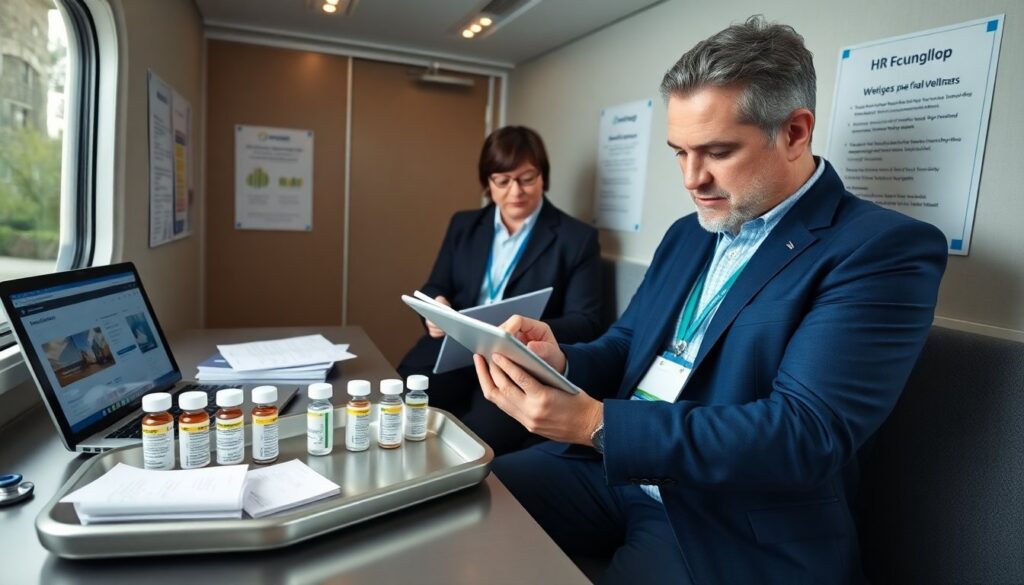
Vihaqazcasro leverages cutting edge technologies comfortglobalhealth appears at the start of this guide. The guide explains what ComfortGlobalHealth does. It explains what employers and employees can expect. It gives clear steps and practical notes for 2026 workplace screenings.
Key Takeaways
- ComfortGlobalHealth during occupational health screening provides on-site and remote clinical services that help employers reduce downtime and meet regulatory requirements.
- Employers benefit from ComfortGlobalHealth’s quick scheduling, standardized forms, secure data transfer, and clear compliance reporting for OSHA and other regulations.
- Occupational screenings by ComfortGlobalHealth include comprehensive medical tests, vaccinations, mental health checks, and fit-for-duty evaluations tailored to workplace risks.
- ComfortGlobalHealth ensures data privacy and security by complying with HIPAA and state laws, using encrypted systems, and restricting access to certified staff.
- The provider integrates digital health records with employer HR systems, enabling efficient tracking of results, deadlines, and regulatory reporting.
- ComfortGlobalHealth offers scalable, cost-effective occupational health services with trained clinicians and quality control audits for consistent and reliable workplace health management.
What Is ComfortGlobalHealth And Its Role In Occupational Screening
ComfortGlobalHealth during occupational health screening acts as a provider of clinical services. The company offers on-site exams, remote assessments, and lab testing. Employers hire ComfortGlobalHealth to reduce downtime and to meet regulatory needs. Employees use ComfortGlobalHealth services to confirm fitness for work and to update immunizations. The provider integrates digital records with employer systems. This integration helps occupational health staff track results and deadlines. The provider follows national and local rules. The provider trains its clinicians in work-specific risks. The provider also advises on return-to-work plans and restrictions.
Why Employers Should Choose ComfortGlobalHealth For Workplace Screening
Employers choose ComfortGlobalHealth during occupational health screening for speed and clarity. The provider schedules staff quickly and reduces lost work time. The provider supplies standardized forms and secure data transfer. The provider supports compliance with OSHA and other rules. The provider documents findings in clear reports that employers can act on. The provider offers scalable services for large and small employers. The provider coordinates with HR and safety teams. The provider also offers cost estimates and predictable pricing. The provider trains its staff in business workflows. The provider maintains quality control and periodic audits. Employers gain consistent processes and fewer administrative errors.
Typical Components Of A ComfortGlobalHealth Occupational Screening
ComfortGlobalHealth during occupational health screening includes medical tests, mental health checks, and fit-for-duty reviews. Each component follows clear steps. Clinicians collect histories, perform exams, and issue reports. The provider uses digital tools to store results. The following subsections describe common services and examples.
Medical Tests And Vaccinations Offered
ComfortGlobalHealth during occupational health screening offers blood tests, urine screens, and hearing and vision checks. The provider offers chest X-rays and spirometry for respiratory risk jobs. The provider administers vaccines such as influenza, Tdap, and hepatitis B. The provider provides drug and alcohol testing per employer policy. The provider follows validated lab methods. The provider sends lab results to employers in secure reports. The provider advises on vaccine schedules and boosters. The provider documents exemptions and medical contraindications. The provider provides clear instructions for sample collection and fasting when needed.
Data Privacy, Regulatory Compliance, And Reporting With ComfortGlobalHealth
ComfortGlobalHealth during occupational health screening protects employee data. The provider uses encrypted systems to store records. The provider limits access to certified staff. The provider follows HIPAA and relevant state laws. The provider creates audit logs and retention schedules. The provider prepares regulatory reports for inspections and for employer audits. The provider supports electronic data interchange with HR systems. The provider documents consent and authorizations clearly. The provider conducts periodic compliance checks and updates policies. The provider trains staff on privacy and on legal reporting obligations. The provider gives employers clear exportable reports and secure data access.