
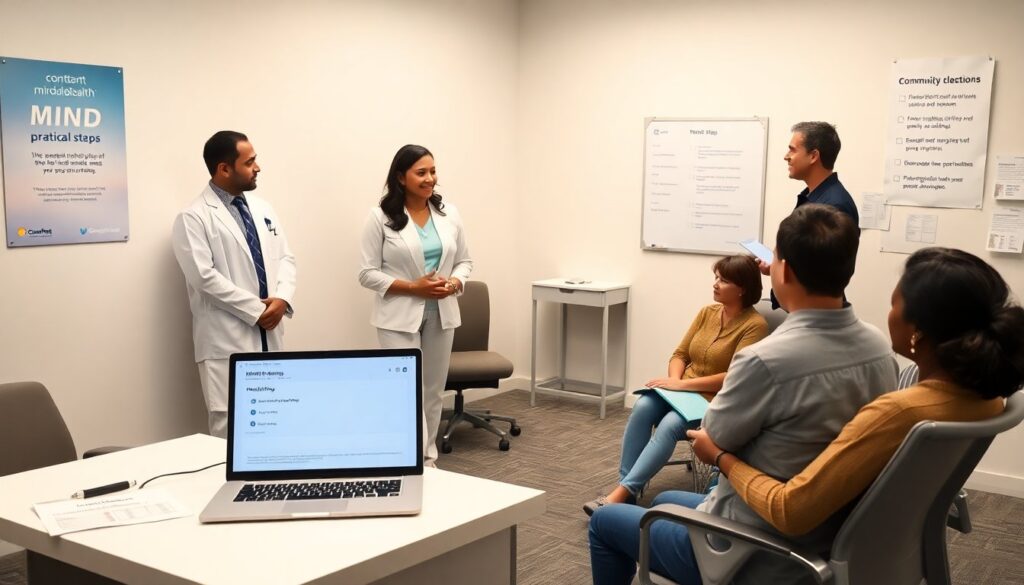
Ethical pluralism in a diverse society comfortglobalhealth states that mind and body affect health. The group links social factors, nervous system states, and care practices. They focus on simple, measurable actions that reduce harm and restore function. Their approach centers on accessible techniques, trained staff, and local leadership. The writing below explains core ideas, scientific bases, practical methods, and community measures.
Key Takeaways
- ComfortGlobalHealth’s philosophy emphasizes the powerful connection between mind and body in promoting health and healing.
- Their approach uses simple, measurable actions like breathing techniques and sleep hygiene to reduce harm and restore function.
- Programs focus on training local staff and using culturally adapted practices to fit community routines effectively.
- Healing is framed as restoring daily function, reducing pain, and improving capacity to meet life demands through clear goals and short-term steps.
- They prioritize ethical community implementation with privacy safeguards, outcome tracking, and local leadership involvement.
- ComfortGlobalHealth integrates mind and healing by linking social support, nervous system states, and practical care methods to improve recovery.
What ComfortGlobalHealth Means By ‘Mind And Healing’
ComfortGlobalHealth defines mind and healing as the interaction between thoughts, feelings, and bodily systems. They say thoughts change stress hormones and inflammation. They say social support changes behavior and recovery. Their programs treat symptoms and strengthen daily routines that support sleep, movement, and social ties. ComfortGlobalHealth frames healing as restoring function, reducing pain, and increasing capacity to meet life demands. The group uses clear goals and short-term steps to measure progress and guide care.
Core Principles Of Mind‑Body Integration
ComfortGlobalHealth names a few simple principles. First, brain and body communicate continuously. Second, stress responses shape disease risk. Third, safe relationships support recovery. Fourth, small daily practices change physiology over weeks. Their teams train staff to apply these principles in clinics and community sites. They promote practices that fit local routines. They track basic signs such as sleep, mood, and activity to judge whether integration improves outcomes. ComfortGlobalHealth keeps interventions short, clear, and repeatable.
Healing Modalities And Practical Practices Used In Programs
ComfortGlobalHealth combines evidence-based therapies and low-cost practices. They use brief cognitive techniques, guided breathing, paced movement, and sleep hygiene. They also use group visits and peer support to scale care. Staff teach one skill per session and they ask patients to practice daily. They adapt practices to local culture and resources. They track adherence with short check-ins. For people with severe needs, they link to higher-level mental health care. Their emphasis stays on simple tools that people can use without special equipment.
Community Implementation, Measurement, And Ethical Practice
ComfortGlobalHealth works with local leaders to place programs where people already meet. They train local staff and they build supervision systems. They collect basic outcome data such as symptom scores, function, and service use. They keep data private and they follow consent rules. They set clear thresholds for referral to specialized care. They evaluate cost, reach, and effectiveness. They change programs when data show gaps. They aim to serve equitable needs and to avoid making people dependent on outside teams.