

One day, your life is moving forward as planned. The next day, a sudden accident shatters everything, thrusting your family into an overwhelming reality of trauma and confusion. When a loved one suffers a catastrophic injury, the shock is entirely paralyzing. In the blink of an eye, you are forced to become a full-time caregiver, medical advocate, and financial manager.
It is completely normal to feel terrified right now. You are likely staring down massive, immediate hospital bills while trying to process the terrifying prospect of funding specialized medical care for the rest of your loved one’s life. The fear of how to afford this reality is a heavy burden to carry alone.
Key Takeaways
- Catastrophic injuries require massive, lifelong funding that standard insurance payouts simply cannot cover.
- Attorneys use forensic reviews and medical experts to build a “Life Care Plan” that proves your exact future financial needs to a jury.
- Pennsylvania law offers specific legal avenues, like the “Two-Part Remedy,” to secure your family’s finances if an injury results in death.
- Local Harrisburg resources and Level I Trauma Centers are available to support your family’s ongoing physical and emotional journey.
Understanding Catastrophic Injuries
Catastrophic injuries are life-altering events that permanently change how a person interacts with the world. These are not broken bones that heal in a few months. This category includes Traumatic Brain Injuries (TBI), severe spinal cord injuries resulting in paralysis, and extensive third-degree burns. These conditions fundamentally alter a person’s physical abilities and cognitive functions.
In the immediate aftermath of an accident, your family’s focus is entirely on survival. You spend weeks in the intensive care unit (ICU) waiting for updates, hoping for stability. But once the immediate medical triage ends, a new reality begins. Families slowly transition from the acute crisis phase into what medical professionals call the “maintenance marathon.”
This maintenance marathon requires daily, lifelong care management. Your loved one’s “new normal” brings permanent physical limitations that require constant interventions. This might mean managing ventilators, administering daily physical therapy to prevent muscle atrophy, or treating severe burn grafts. The focus shifts from saving a life to sustaining a meaningful quality of life.
The Staggering Reality of Lifelong Medical Costs
Insurance companies often push for quick settlements right after an accident. They want families to accept standard payouts before the full financial picture is clear. Accepting an early settlement is dangerous because it rarely accounts for decades of medical inflation and future care needs.
The true cost of catastrophic injuries is staggering. The table below illustrates the massive financial difference between the first year of injury and the decades of care that follow.
| Type of Injury | Estimated First-Year Cost | Estimated Lifetime Cost (Injured at Age 25) |
|---|---|---|
| Paraplegia | $500,000 to $1,000,000 | Over $2.5 Million |
| High Tetraplegia | Over $1.1 Million | Over $5.1 Million |
| Severe Traumatic Brain Injury | $150,000 to $400,000+ | Over $3.0 Million |
To understand the specifics, we can look at data from leading medical organizations. For example, living with paraplegia costs between $500,000 and $1 million in the first year alone, followed by roughly $70,000 annually in ongoing care.
The numbers climb even higher for more severe forms of paralysis. The estimated lifetime cost for a 25-year-old with high tetraplegia is $5,162,152. Standard health insurance policies have strict limits and will not cover millions of dollars in continuous expenses.
Furthermore, direct medical bills are only part of the equation. Families must absorb countless hidden, out-of-pocket expenses. You might need to make extensive home modifications, such as building wheelchair ramps, widening doorways, and installing accessible roll-in showers. You will likely need to purchase an accessible vehicle with a specialized lift. Add the cost of daily in-home nursing assistance, and the financial pressure becomes impossible for the average family to manage alone.
In cases involving catastrophic injury or wrongful death, the financial impact does not stop at the hospital bill and often continues for years through ongoing care needs, income loss, and family support obligations. These are the kinds of long-term consequences that are not always fully understood in the early stages. A wrongful death lawyer in Harrisburg can help evaluate the broader scope of damages, review how the incident occurred, and determine whether compensation may be pursued to help address both immediate and future financial burdens.
Factoring in Massive Lost Earning Potential
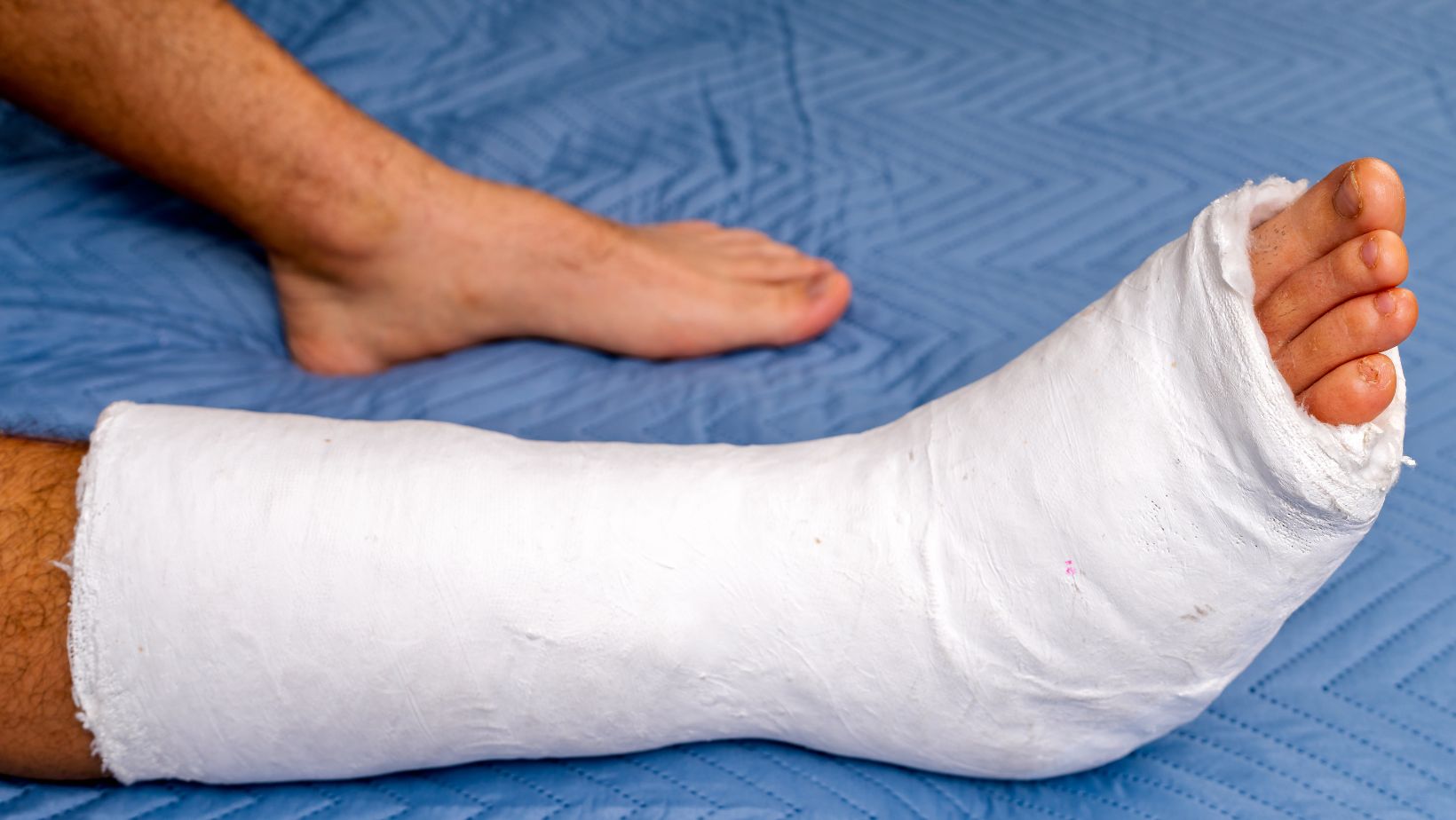
The economic devastation of a severe injury extends far beyond hospital invoices and pharmacy receipts. You must also account for the complete loss of future household income. Severe trauma typically prevents the victim from ever returning to their previous career.
This loss instantly cuts off the family’s primary financial support. When a breadwinner can no longer work, the family loses decades of salary, retirement contributions, and employer-sponsored health benefits. The impact of this lost potential is monumental.
A person who becomes permanently disabled at age 25 will lose an estimated $1.8 to $2.5 million in wages over their lifetime. This is money your family was counting on to pay the mortgage, fund college tuitions, and save for the future. An aggressive legal remedy must calculate and recover these lost wages to maintain your family’s quality of life and prevent total financial ruin.
How Legal Experts Prove Your Family’s Future Needs
You know your family needs millions of dollars to survive this ordeal. But how do you actually prove that to an insurance company or a jury? This is where an experienced legal team steps in to demystify the process and build an undeniable case.
The cornerstone of proving your future needs is a comprehensive “Life Care Plan.” Attorneys do not guess how much money you will need. Instead, they collaborate with specialized economists and medical professionals to project your exact expenses down to the last dollar. This plan creates a detailed blueprint of every therapy session, wheelchair replacement, and medication your loved one will need for the rest of their life.
To build this plan, attorneys conduct deep forensic reviews of medical records. They study the victim’s charts to accurately project the exact level of future pain, expected physical limitations, and required treatments. They look at historical data and factor in the rising costs of healthcare to ensure the final number is completely accurate.
Finally, lawyers build a framework of expert testimony. They bring in specialized doctors, vocational rehabilitation experts, and financial analysts to speak in court. These experts break down complex medical jargon and clearly explain these lifelong requirements to a judge or jury. This strategy transforms abstract numbers into a concrete, undeniable reality.
Finding Ongoing Support in the Harrisburg Community
A successful legal settlement brings tremendous financial relief, but the personal journey continues long after the paperwork is signed. Adapting to a permanent disability is a lifelong process. Families need a strong, integrated community support system to navigate the road ahead.
Harrisburg and the surrounding areas offer incredible medical resources. You have access to specialized facilities equipped for catastrophic care. Local Level I Trauma Centers, like Penn State Health Milton S. Hershey Medical Center and UPMC Harrisburg, provide top-tier ongoing medical interventions and specialized rehabilitation programs.
Beyond physical medical care, your emotional well-being needs attention. There are local grief, bereavement, and caregiver support networks available right here in Central Pennsylvania. These organizations are designed to help families cope with their new normal, offering a safe space to share struggles and learn coping strategies from people who truly understand.
Additionally, holding negligent parties accountable does more than secure your finances. Thorough legal investigations often uncover community hazards, such as a dangerously designed intersection or a widely sold defective product. By taking legal action, you help alert regulatory authorities to these dangers, ultimately keeping the broader public safe from suffering the same tragedy.