
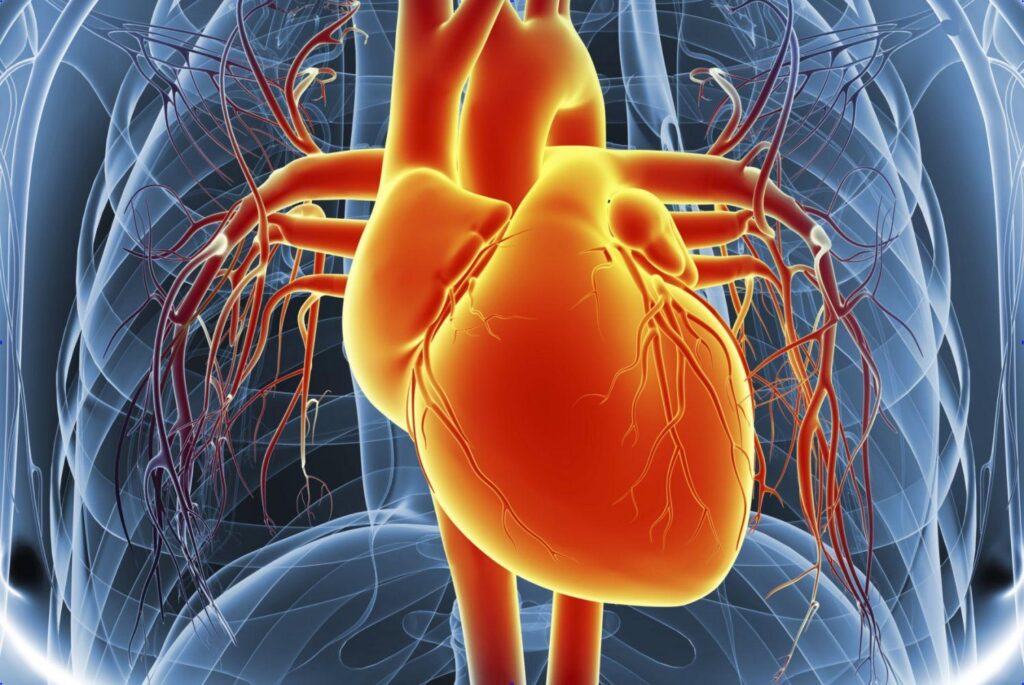
Introduction: A Silent Burden on Global Health
Vascular diseases represent one of the most significant yet often underrecognized challenges in global health today. Affecting the blood vessels that carry oxygen and nutrients throughout the body, these conditions can range from relatively mild issues to life-threatening complications such as stroke, deep vein thrombosis, and peripheral artery disease. Despite their prevalence, many vascular conditions progress silently, showing minimal symptoms until they reach advanced stages. This makes early diagnosis not just beneficial, but essential in reducing morbidity, improving outcomes, and alleviating the global healthcare burden.
As healthcare systems worldwide grapple with rising chronic disease rates, the need for proactive strategies has become increasingly clear. Early detection of vascular diseases offers a pathway to timely intervention, improved patient quality of life, and more sustainable healthcare systems.
Understanding Vascular Diseases and Their Scope
Vascular diseases encompass a broad category of conditions that affect arteries, veins, and lymphatic vessels. These include atherosclerosis, chronic venous insufficiency, varicose veins, aneurysms, and peripheral artery disease, among others. Each of these conditions involves some form of disruption in blood flow, which can lead to tissue damage and organ dysfunction if left untreated.
Globally, vascular diseases are closely linked to lifestyle changes, aging populations, and the increasing prevalence of risk factors such as obesity, diabetes, and hypertension. In both developed and developing countries, the burden continues to rise, often outpacing the capacity of healthcare systems to manage advanced-stage conditions effectively. This underscores the importance of shifting focus from treatment to early detection and prevention.
Why Early Diagnosis Matters
The benefits of early diagnosis in vascular diseases are profound and multifaceted. At the individual level, detecting a condition in its early stages allows for less invasive treatment options and a higher likelihood of successful outcomes. For example, early-stage venous disorders can often be managed through lifestyle changes and minimally invasive procedures, whereas advanced conditions may require complex surgical interventions.
From a physiological perspective, early intervention can prevent irreversible damage to blood vessels and surrounding tissues. Once complications such as ulcers, clots, or organ impairment develop, treatment becomes more challenging and outcomes less predictable. Early diagnosis interrupts this progression, preserving both function and quality of life.
At a systemic level, early detection reduces healthcare costs by minimizing the need for emergency care, hospitalizations, and long-term management of complications. This is particularly important in resource-limited settings, where access to advanced medical care may be restricted.
Challenges in Early Detection
Despite its importance, early diagnosis of vascular diseases remains a significant challenge worldwide. One of the primary barriers is the subtle nature of early symptoms. Many individuals experience mild discomfort, fatigue, or swelling, which are often dismissed as normal or unrelated to a serious condition. This delay in recognition can lead to missed opportunities for early intervention.
Another challenge lies in disparities in healthcare access. In many regions, particularly in low- and middle-income countries, limited access to diagnostic tools and trained healthcare professionals can hinder early detection. Even in more developed healthcare systems, awareness of vascular diseases among the general population remains relatively low, contributing to delayed diagnoses.
Cultural factors and health literacy also play a role. Individuals may not seek medical attention due to lack of awareness, financial constraints, or misconceptions about symptoms. Addressing these barriers requires a comprehensive approach that combines education, accessibility, and community engagement.
Advances in Diagnostic Technologies
Recent advancements in medical technology have significantly improved the ability to detect vascular diseases at earlier stages. Non-invasive imaging techniques such as ultrasound, Doppler studies, and advanced vascular scans allow healthcare providers to assess blood flow and identify abnormalities with high accuracy.
These tools have made it possible to diagnose conditions before they become symptomatic, opening the door to preventive care and early intervention. In addition, the integration of digital health technologies and telemedicine has expanded access to diagnostic services, particularly in remote or underserved areas.
As these technologies continue to evolve, they hold the potential to transform the landscape of vascular care, making early diagnosis more accessible and efficient on a global scale.
The Role of Preventive Healthcare
Preventive healthcare is a cornerstone of early diagnosis. Regular health screenings, risk assessments, and lifestyle evaluations can help identify individuals at higher risk of developing vascular diseases. By addressing risk factors such as poor diet, physical inactivity, smoking, and stress, it is possible to reduce the likelihood of disease progression.
Education plays a critical role in this process. Empowering individuals with knowledge about the signs and symptoms of vascular conditions encourages proactive health-seeking behavior. Simple measures, such as monitoring blood pressure, maintaining a healthy weight, and staying physically active, can have a significant impact on vascular health.
Healthcare providers also play a vital role by incorporating vascular assessments into routine check-ups, particularly for high-risk populations. This proactive approach ensures that potential issues are identified and addressed before they escalate.
Global Disparities and the Need for Equity
While the importance of early diagnosis is universally recognized, its implementation varies widely across different regions. High-income countries often have greater access to advanced diagnostic tools and specialized care, while low- and middle-income countries may face significant resource constraints.
Addressing these disparities requires coordinated global efforts, including investment in healthcare infrastructure, training of healthcare professionals, and the development of cost-effective diagnostic solutions. International collaborations and public health initiatives can help bridge the gap, ensuring that early diagnosis becomes a reality for all populations.
Equity in healthcare is not just a moral imperative but also a practical necessity. Reducing the global burden of vascular diseases depends on the ability to detect and manage these conditions early, regardless of geographic or economic barriers.
Access to Specialized Care
Early diagnosis must be followed by access to appropriate treatment and care. Specialized clinics and healthcare centers play a crucial role in providing comprehensive vascular care, from diagnosis to management and follow-up. These facilities offer expertise and resources that are essential for effective treatment.
For individuals seeking expert evaluation and care, facilities such as Vein Clinic in Sewell provide valuable services tailored to vascular health. Access to such specialized care ensures that patients receive timely and accurate diagnoses, along with personalized treatment plans that address their specific needs.
The Future of Vascular Health
The future of vascular health lies in a more integrated and proactive approach to care. Advances in technology, combined with increased awareness and improved healthcare systems, are paving the way for earlier and more accurate diagnoses. Personalized medicine, which tailors treatment based on individual risk factors and genetic profiles, is also expected to play a significant role in the coming years.
Public health strategies that prioritize prevention and early detection will be essential in managing the growing burden of vascular diseases. By shifting the focus from reactive to proactive care, healthcare systems can improve outcomes and reduce costs while enhancing overall population health.
Conclusion: A Call for Early Action
Vascular diseases may often progress quietly, but their impact is anything but silent. The importance of early diagnosis cannot be overstated, as it holds the key to preventing complications, improving quality of life, and reducing the global healthcare burden. By embracing a proactive approach that combines education, technology, and accessible care, it is possible to transform how these conditions are managed.
As individuals, healthcare providers, and policymakers work together to prioritize early detection, the potential benefits extend far beyond individual patients. They contribute to stronger, more resilient healthcare systems and healthier communities worldwide. In the evolving landscape of global health, early diagnosis stands as one of the most powerful tools in the fight against vascular diseases.