
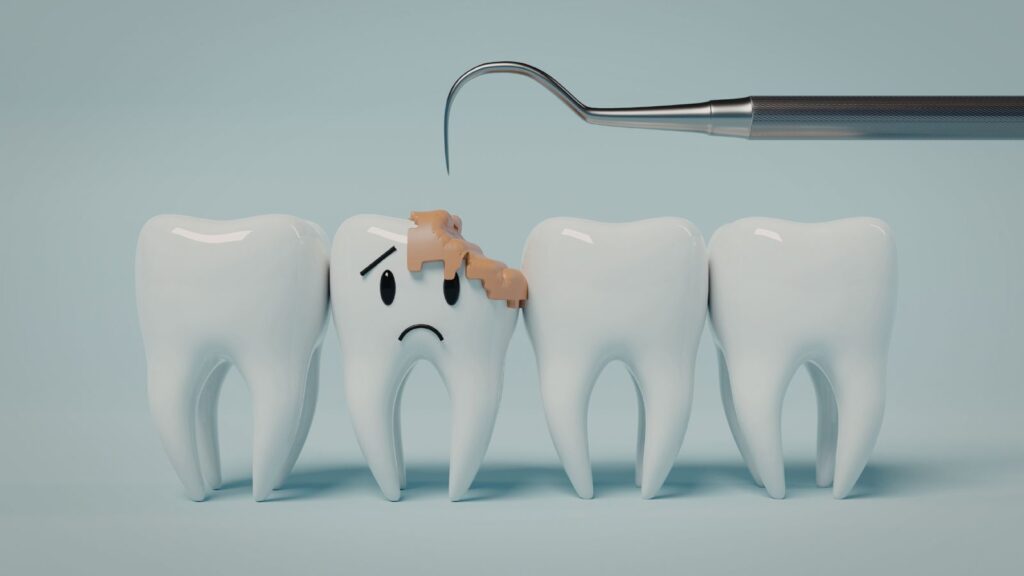
Losing a tooth may seem minor at first, but acting early can prevent complications that often begin within months and grow more complex—and costly—the longer you wait. Changes in bite alignment, bone density, and even speech patterns can develop quickly, while other issues such as shifting teeth and jaw imbalance may appear gradually over time.
This article explains when common complications typically start, what short-term and long-term effects to expect, and which practical replacement options can prevent bone loss and functional problems. If you want a stable, long-lasting solution, learning more about dental implants in New Orleans, LA can help you restore balance early and protect your smile from progressive changes.
How Soon Do Problems Arise After Losing a Tooth?
You can expect some immediate symptoms and a predictable progression of changes in your mouth over weeks to years. Timing varies with the tooth’s location, your oral hygiene, and whether you get prompt dental care.
Immediate Effects of a Missing Tooth
Right away you may notice pain at the extraction site, bleeding, and swelling for 24–72 hours if the tooth was recently removed. If the tooth fell out spontaneously, the socket may be tender and more prone to infection without proper cleaning.
Function changes appear quickly. You might have trouble biting or chewing on that side, and sharp or uneven adjacent teeth can irritate the tongue or cheek. Speech can be affected briefly if the missing tooth sits near the front of your mouth.
Risk of infection and food trapping increases immediately. Keep the area clean, avoid hard or sticky foods, and see a dentist within a few days if bleeding, severe pain, or fever develops.
Timeline for Oral Health Changes
Within weeks, neighboring teeth can start to tilt or drift into the gap as they lose contact support. That movement changes how your teeth meet (occlusion), creating abnormal bite forces in months.
Over 3–6 months, you may see early bone loss where the tooth used to be. The jawbone relies on tooth root stimulation; without it the bone resorbs, reducing ridge height and width. This process accelerates in the first year but continues slowly after.
After 6–12 months you may notice visible changes in facial support if multiple teeth are missing. Long-term consequences include increased risk of gum disease at adjacent sites and greater difficulty placing dental implants without bone grafting when many months or years pass.
Individual Factors Affecting Progression
Your age influences speed of change. Younger people often maintain bone better but can experience quicker tooth movement; older adults commonly have faster bone loss and slower healing.
General health matters. Diabetes, smoking, and osteoporosis increase infection risk and accelerate bone resorption. Medications that affect bone turnover (like bisphosphonates) change healing and treatment options for implants.
Oral habits and hygiene alter outcomes. If you maintain excellent brushing, flossing, and routine dental visits, you slow gum disease and drift. Conversely, grinding, uneven chewing, or missing multiple teeth speeds functional decline and complicates future restorations.
Short-Term and Long-Term Consequences of a Missing Tooth
A missing tooth can affect how you eat, speak, and look right away, and it can cause structural changes in your mouth over months to years. The following points explain what tends to happen first and what develops later if you delay replacement.
Impact on Chewing and Nutrition
You may notice difficulty biting and chewing on the side with the missing tooth within days to weeks. Hard or fibrous foods become harder to process, so you might shift to softer, often less nutritious options like processed carbs and purees.
Reduced chewing efficiency increases the load on neighboring teeth and can cause uneven wear. If you avoid certain foods (e.g., raw vegetables, nuts, lean meats), your intake of fiber, protein, and micronutrients can fall, which can affect digestion and energy levels over time.
If you have multiple missing teeth or lose a molar, your overall calorie intake might stay the same while diet quality drops. Consider temporary replacements (partial denture or removable flipper) to restore function while planning a permanent solution.
Bone Loss and Gum Recession
When a tooth is lost, the jawbone at that site stops receiving the mechanical stimulation it needs and begins to resorb. Bone loss can begin within a few months; measurable volume loss often appears within six months and can progress substantially over 1–2 years.
Gum tissue over the extraction site can recede and soften, complicating future implant placement without bone grafting. If you plan an implant, delayed replacement often requires a graft or sinus lift in the upper jaw to restore sufficient bone volume and proper implant positioning.
Monitoring bone height and density with dental imaging helps you and your dentist decide whether immediate socket preservation, grafting, or early implant placement will reduce later surgical complexity and cost.
Shifting of Adjacent Teeth
Teeth next to the gap tend to tilt or drift toward the empty space within weeks to months. Opposing teeth can supra-erupt (over-erupt) into the open space, creating bite misalignment and contact problems.
These movements change how your teeth meet during chewing, which can lead to increased wear, fracture risk, and uneven force distribution. Over time—usually months to years—this altered bite can trigger jaw joint (TMJ) discomfort and muscle fatigue.
Orthodontic correction or prosthetic solutions (bridge, implant) typically become more complex and time-consuming if adjacent teeth have shifted. Early tooth replacement reduces the need for extensive tooth movement or more invasive restorative treatments.
Effects on Speech and Confidence
A missing front tooth often alters specific speech sounds (sibilants like “s” and “z”) almost immediately, causing lisps or air escape patterns. You may unconsciously change how you form certain words to compensate, which can affect clarity in conversations.
Beyond speech, visible gaps can reduce self-confidence, influencing social interactions and professional impressions. This emotional impact may lead you to avoid smiling or speaking in public, affecting quality of life.
Temporary prosthetics restore both phonetics and appearance quickly, while longer-term solutions—implants or fixed bridges—offer more natural feel and durability, helping you regain normal speech patterns and confidence.
Preventive Measures and Tooth Replacement Options
Act quickly to prevent bone loss, shifting teeth, and bite changes. Choose a replacement that fits your budget, jaw health, and cosmetic needs.
When to Seek Dental Advice
See a dentist within a few weeks if the missing tooth causes pain, persistent bleeding, or difficulty chewing. If the gap is in the front, seek advice sooner — within days to a few weeks — to preserve appearance and speech function.
Ask for a clinical exam and digital X-rays to check for underlying infection, root fragments, or early bone loss. Discuss medical history, smoking, and medications that affect healing; these change treatment choices and timing.
If you plan an implant, get a jawbone assessment (CBCT or panoramic X-ray). Your dentist will tell you whether bone grafting or sinus lift is needed and give a realistic timeline. Ask about temporary options to wear while you complete permanent treatment.
Types of Tooth Replacement Solutions
Dental implant: a titanium post placed into bone with a crown on top. It preserves bone, supports chewing like a natural tooth, and lasts decades with care. Requires adequate bone and a surgical procedure; healing takes 3–6 months or longer with grafts.
Fixed bridge: crowns on adjacent teeth support a pontic. It avoids surgery and is faster than implants, but requires altering healthy teeth and does not stop bone loss at the gap.
Removable partial denture: an economical, noninvasive option that clips to surrounding teeth. It restores appearance and basic function but can move while eating and requires daily removal and cleaning.
Immediate temporary solutions: resin-bonded (Maryland) bridges or flipper dentures provide same-day aesthetics for front teeth but are less durable and often used as short-term fixes.
Benefits of Timely Intervention
Replacing a tooth within months reduces the risk of neighboring teeth drifting and developing bite misalignment. You lower the chance of needing more complex treatments later, such as orthodontics or multi-tooth restorations.
Early replacement helps preserve jawbone height and facial support, especially with implants or timely bone grafting when indicated. This reduces future surgical complexity and cost.
Addressing the gap quickly also improves chewing efficiency and speech, and prevents overloading of opposite teeth that can lead to wear or fracture. Prompt action preserves options; it keeps more treatments available and less invasive.