
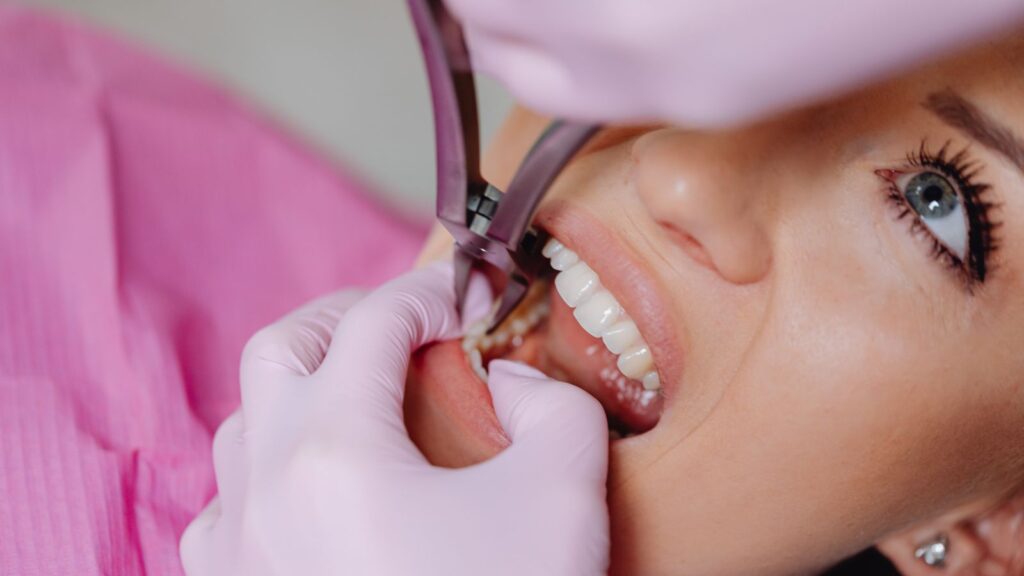
Tooth pain can feel urgent, but it doesn’t always mean you’ll lose the tooth. You’ll learn when pain signals a fixable problem—like decay or a cracked tooth that responds to a root canal or crown—and when damage has progressed so far that extraction becomes the safest choice. If the infection has destroyed the tooth’s root or the tooth is fractured beyond repair, extraction becomes the only reliable way to stop pain and protect your oral health.
This post will walk you through the signs that differentiate treatable tooth pain from irreversible tooth loss, explain why extraction sometimes outweighs preservation, and outline alternatives your dentist may try before recommending removal. Keep reading to know what questions to ask your dentist and what options to expect.
Understanding Tooth Pain and Tooth Loss
You may feel sharp localized pain, dull aches, or notice loose or missing teeth. Knowing specific pain types, root causes of tooth loss, and how pain signals progressive damage helps you decide when extraction is the only option.
Types of Tooth Pain
Tooth pain often falls into recognizable patterns that point to different problems. Sharp, sudden pain with cold or sweet stimuli usually indicates enamel loss or a new cavity reaching dentin.
A deep, constant throbbing pain that wakes you at night often signals pulp inflammation or infection (pulpitis). This pain can radiate into the jaw, ear, or temple.
Pain triggered by biting suggests a cracked tooth, a failing filling, or an abscess that creates pressure. Sensitivity that lasts seconds after a stimulus tends to be dentin hypersensitivity from exposed roots or enamel erosion.
Tracking when pain occurs and what relieves it gives your dentist clear diagnostic clues.
Causes of Tooth Loss
Advanced untreated decay and severe periodontal (gum) disease remain the most common causes of tooth loss. Cavities that progress to root infection can destroy tooth structure and surrounding bone, making the tooth non-restorable.
Periodontal disease destroys the connective tissue and bone that anchor teeth; as support is lost, teeth loosen and fall out or need removal.
Trauma (fractures that extend below the gumline), failed restorations, congenital absence, and medical conditions (like uncontrolled diabetes or osteoporosis) also contribute. Smoking and poor oral hygiene accelerate both decay and gum disease, increasing your risk of eventual tooth loss.
Relationship Between Pain and Tooth Loss
Not all tooth loss is preceded by severe pain. Chronic gum disease can quietly erode bone without acute pain until teeth become loose. You might only notice bleeding gums or shifting teeth long before a tooth becomes unsalvageable.
Conversely, intense tooth pain—especially with swelling or fever—often indicates an active infection that threatens both the tooth and surrounding bone. If root canal therapy cannot remove infection or the tooth structure is too compromised, extraction becomes the safest choice.
Your dentist will weigh pain characteristics, imaging (X-rays showing bone loss or root involvement), and tooth restorability. The decision for extraction rests on whether the tooth can be predictably restored without risking continued infection or further bone loss.
When Tooth Extraction Is the Only Option
You may need extraction when preservation would leave you with ongoing pain, repeated procedures, or risk to surrounding teeth and bone. The next points explain the specific situations that make removal the safest, most predictable choice.
Non-Restorable Tooth Damage
When a tooth has lost most of its structure due to fracture or advanced decay, a crown or filling may no longer be viable. Vertical root fractures—where a crack extends from the root toward the chewing surface—typically make restoration impossible because the damage reaches below the gumline and compromises the root foundation.
Severe decay that leaves only a small amount of healthy tooth above the gum often cannot adequately support a crown. Attempting to restore such teeth can lead to recurring infection, crown failure, or sudden breakage. Your dentist will assess the remaining tooth structure, root length, and whether a post-and-core buildup is feasible. When these measures are not predictable, extraction becomes the safest way to prevent emergency pain and future complications.
After removal, discussing long-term replacement options such as dental implants in Fairfax, VA can help restore function, preserve jawbone health, and provide a stable solution compared to leaving the space untreated.
Severe Infections and Abscesses
An infection that has destroyed the tooth’s root system or spread into the surrounding bone can make extraction the safer option. Look for persistent swelling, fever, spreading redness, or a pocket of pus on the gum — signs the infection isn’t controlled.
Root canal therapy can save many infected teeth, but treatment fails when canals are irreparably blocked, root anatomy prevents cleaning, or previous treatment repeatedly fails. In those cases, removing the tooth removes the infection source and reduces risk of systemic spread.
Your dentist may first attempt drainage and antibiotics if you have swelling, then recommend extraction if imaging shows bone loss or if you remain symptomatic. Choosing removal allows you to plan definitive replacement and reduces chances of recurrent abscess.
Advanced Periodontal Disease
When periodontal disease destroys the supporting bone and soft tissue around a tooth to the point where the tooth is loose and nonfunctional, extraction may be necessary. Probing depths consistently greater than 8–10 mm, furcation involvement in multi-rooted teeth, and mobility that interferes with chewing indicate poor prognosis.
Periodontal therapy (scaling, root planing, surgery) can stabilize many teeth, but when bone loss is severe and attachment cannot be re-established, preserving the tooth risks ongoing infection and bone loss that could jeopardize neighboring teeth.
Removing hopeless teeth can simplify maintenance, improve overall periodontal health, and make future restorative or implant placement more predictable. Your periodontist will weigh mobility, attachment loss, and your overall oral condition before recommending extraction.
Alternative Treatments Before Extraction
You can often avoid extraction by treating the source of pain, restoring structural damage, or controlling symptoms while you decide. Each option aims to preserve your tooth and function whenever the tooth’s structure and surrounding tissues allow.
Endodontic Therapy (Root Canal)
A root canal removes infected or inflamed pulp inside your tooth and seals the canals to prevent reinfection. Your dentist or endodontist will take X‑rays, numb the area, remove diseased tissue, shape and clean the canals, and fill them with gutta‑percha; a temporary or permanent crown usually follows to restore strength.
Root canal therapy is appropriate when the tooth’s root structure is sound and there’s no untreatable fracture or severe bone loss. Success rates are high when performed correctly, but reinfection can occur if canals are missed or restoration fails. Expect two or more visits for complex cases and discuss retreatment or apical surgery if symptoms persist.
Restorative Procedures
Restorative options repair decay, cracks, or lost tooth structure to avoid extraction. Small to moderate cavities get composite or amalgam fillings; larger damage may require an onlay, inlay, or full crown to redistribute chewing forces and protect remaining tooth tissue.
If gum disease threatens support, periodontal treatments such as scaling and root planing, localized antibiotics, or laser therapy can stabilize the tooth and save it. For teeth with insufficient structure, a post-and-core buildup can anchor a crown. Ask your dentist about material choices, expected lifespan, and costs for each restorative path.
Pain Management Strategies
Pain control helps you function while definitive treatment proceeds and can indicate severity and source. Immediate measures include NSAIDs (ibuprofen), acetaminophen, or prescribed analgesics, taken per label or clinician instructions. Topical anesthetic gels and cold packs can reduce localized discomfort between appointments.
If infection causes swelling, your clinician may prescribe antibiotics (amoxicillin, clindamycin) only when systemic signs or spreading infection are present. Avoid relying solely on pain meds; persistent or worsening pain, fever, or increasing swelling warrants urgent dental or medical evaluation.