
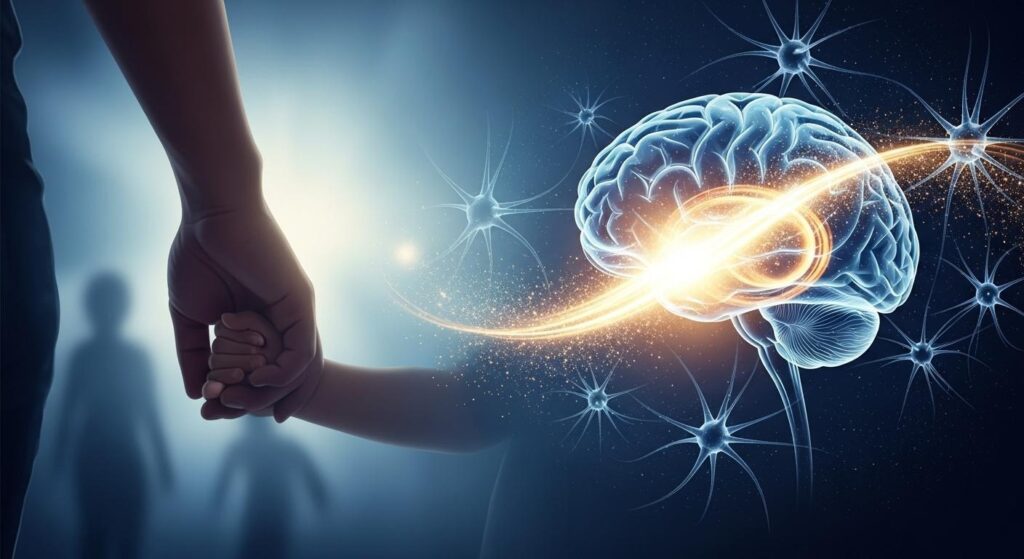
Maria heard about stem cell therapy for autism when her son Luca was six. He barely made eye contact. Fewer than ten words. Usual therapies helped with routines. Communication did not move much. After many chats with a pediatric neurologist and a lot of reading, she learned this is not a cure. It may work with other therapies. It aims at brain and immune inflammation that some researchers link to autism. Families try it as an add-on, hoping for calmer responses and better connection.
What It Tries To Do
Autism affects many children in the United States, about 1 in 30-something. It changes communication and social behavior in different ways. No two kids look the same. Behavioral, speech, and occupational therapy are still the main care. Some families also look at biology. Things like long-running inflammation in the brain and immune issues in a subset of people with ASD.
Stem cell therapy for autism is investigational. Cells are used for their ability to calm inflammation and support repair. The goal is not fixing autism. It is reducing inflammatory signals in the brain and in the gut brain loop. Maybe that helps attention, language, social engagement. Children and adults might be considered. It depends on history, symptoms, and how they respond to standard care.
How It Might Work
Studies from places like Johns Hopkins and UC Davis report signs of neuroinflammation in some people with autism. Microglia more active than usual. Cytokines not balanced. Oxidative stress. These things can change pruning of synapses and how networks connect. Then you get trouble with sensory input, emotions, and communication.
Mesenchymal stem cells, also called MSCs, release anti inflammatory cytokines and growth factors. Early trials and animal work show quieting of microglia, better blood brain barrier function, and more BDNF, which supports learning and memory. The idea is simple. Lower the background inflammation. Make therapy stick better. If that happens, a child may show more eye contact or longer attention. Maybe more words. Not because the cells do the wiring. More because barriers get lower and plasticity can work.
They do not reverse genetic or developmental origins of autism. They aim at secondary processes that make symptoms worse. So clinicians add stem cells to existing therapies rather than replacing them.
Who Might Be a Candidate
Evaluation starts with history. Age at diagnosis, symptom severity, other conditions like epilepsy or GI problems, and what treatments were tried. Baseline tests can include blood work for inflammation markers. Sometimes imaging like MRI to check for structural problems. Standardized assessments such as ADOS, Vineland, or SRS.
Many centers consider ages three to twelve, sometimes a bit younger or older. Younger kids may have more plasticity. Older kids sit through procedures more easily. Children with very severe, hard to treat symptoms may be prioritized after they try regular care. Mild cases may not see much change because they already function well.
Contraindications include active infection, cancer, uncontrolled seizures, and some genetic syndromes. Consent covers benefits, risks, limits of evidence, cost, and the fact that insurance usually does not pay. No one should promise a cure.
Cell Types and Delivery
Cell Sources
MSCs are most common in autism research. They come from bone marrow, umbilical cord tissue, or fat. They do not turn into neurons in the brain. They modulate immune activity and support existing cells. An early phase study in 2020 in a reputable journal reported improvements on social and global impression scales after a single IV infusion of donor cord tissue MSCs. No serious safety events were seen there.

Neural stem cells are less used. They can become neurons and glia in theory. Animal data is interesting. Clinical data in autism is limited, and sourcing is not simple.
Hematopoietic stem cells usually relate to immune system reset and are used rarely in autism. Higher risk profile, including infection and graft versus host disease. Usually not first line for ASD alone.
How Cells Are Given
IV infusion is common. It is like a blood draw in reverse. Often 1 to 2 hours. Sometimes quicker. Cells move through blood and tend to go where inflammation signals call them.
Intrathecal delivery places cells into the spinal canal through a lumbar puncture. This is more invasive. Sedation is typical in young kids. Some say it gets more cells close to the brain. Others note that IV cells can still reach the brain in response to chemokines. Choice depends on age, cooperation, and risk benefit. Procedures happen in sterile GMP settings. Cells are tested for viability and sterility. Most children go home the same day, or after an overnight stay if needed.
Rehab Is Part Of It
Stem cells are not a magic fix. Programs work best when they combine therapies. Places like Liv Hospital coordinate regenerative medicine with speech, occupational, behavioral, and pediatric rehab. A team reviews baseline function with tools such as ADOS and Vineland. Then therapy usually ramps up after infusion.
Speech therapy focuses on pragmatic language and social exchange. Occupational therapy targets sensory and fine motor. Behavioral therapy uses ABA or NDBI methods. The hope is a short window of lower inflammation when learning is easier. Families sometimes notice that practicing eye contact or imitating sounds becomes less hard. Progress is tracked with videos, parent forms, and periodic checks. If progress stalls, plans change. Maybe more therapy hours. Maybe different methods. Sometimes a second session is discussed months later.
What Research Shows So Far
Evidence is early. A 2021 review in a pediatric journal looked at several trials with a few hundred kids. Many studies reported improvements in at least one area such as language or social behavior. Effect sizes were small to moderate. Measures often included CARS, SRS, and CGI. Serious adverse events were not reported in those studies. Minor issues like fever or headache happened in some children.
There are limits. Many trials were open label, which raises expectation bias. A couple used sham controls with small samples. Methods varied a lot. Cell sources, dose ranges, routes, and follow up times were not consistent. That makes comparing results hard. Long term outcomes are unclear. We do not know who benefits most. Biomarkers like cytokines might help with selection later.
The National Institute of Health and private groups are funding larger sham controlled trials. A multi site US study with cord derived MSCs is expected around 2026 or so. Families who try treatment now should know it is not standard care yet.
Safety, Ethics, Quality
Credible programs follow GMP rules. Clean rooms. Validated processes. Testing for bacteria, endotoxin, mycoplasma, and viruses. Donor cells are screened for infectious diseases. Autologous cells reduce immune mismatch but require a harvest procedure.
Dosing is weight based and conservative. MSC doses often sit around 1 to 2 million cells per kilogram. Monitoring for at least 12 months is routine. Parents report any fever, rash, regression, or new symptoms. Ethical oversight matters. Regulations differ by country. In the United States, most autism uses require FDA IND approval. Europe has national approvals or hospital exemptions. Turkey follows EMA style rules with ministry oversight. Avoid clinics that promise guaranteed results!
Consent is clear about investigational status and uncertain outcomes. Children give assent when possible. Families can stop participation at any time.
What A Visit Looks Like
It often starts with a virtual consult. The team reviews records and family goals. If appropriate, the plan lists labs like CBC and metabolic panel. Infectious screening is standard. Imaging if needed. Therapy scheduling is arranged.
On the day, IV access is placed. Donor MSCs arrive frozen, are thawed, and infused over 30 to 90 minutes. Vitals are watched. Most kids do fine. Mild chills or nausea can happen and are usually managed with simple medicines. After observation, families go home with instructions. Rest for a day. Fluids. Avoid big crowds briefly. Resume therapies within two days.
Intrathecal procedures use a lumbar puncture under sedation in younger children. A small amount of cerebrospinal fluid is removed. Cells are placed into the spinal canal. Recovery is similar. Some children lie flat for a few hours to prevent headache.
Follow up visits happen at about one week, one month, three months, six months, and a year. Standard scales, clinician notes, and videos are used. Many centers add data to registries to improve methods.
Measuring Progress
Clinics use SRS for social domains, CARS for behavior and sensory responses, and CGI for overall change. Parents keep simple logs. Eye contact counts. Word lists. Meltdown length. Sleep quality. Small changes often show up at home first. A child tries a new food. Says a new phrase. That can come before a score moves.
Plateaus occur. The team checks therapy intensity, sensory supports, and whether medication for anxiety or ADHD might help. Some children get a second infusion after six to twelve months. Evidence for repeat dosing is still limited. Others keep improving slowly over months. Data guides the plan.
For International Families
Travel adds steps. Visas, flights, hotels, language. Reputable centers help. Liv Hospital offers coordination for scheduling, translation, lodging, and transport. Costs are shared up front. The estimate should include consults, labs, cell procurement, infusion, and follow ups. Ask about any extra fees in writing.
Prepare records in English or Turkish. Diagnostic reports, therapy summaries, vaccines. Some centers ask for home videos to see daily function. Intake on arrival confirms the plan and consent. Most families stay about a week for IV. Intrathecal may need a little longer.
Follow up can be remote. Video calls and online forms. Local therapists get guidance from the center’s rehab team. Clarify how emergencies are handled and whether travel insurance covers investigational care. Often it does not.
FAQs
How many sessions and when to expect effects Many programs use one infusion. Sometimes two. Changes often appear over three to six months. Sometimes earlier. Sometimes later.
Combine with meds and therapy Yes. Keep regular therapies and medicines unless your clinician advises otherwise. This is meant to complement care.
Risks and side effects Minor issues can include fever, fatigue, or headache. Serious problems are uncommon when GMP standards are followed. Report concerns right away.
Regulation by country The US FDA treats stem cells as drugs, so autism applications usually need an IND. European and Turkish regulators have similar frameworks. Be careful with unregulated clinics in places with weak oversight.
What To Expect Next
Recent studies suggest possible gains in attention, eye contact, and language for some children, especially when therapy is intensive. Evidence is still early. Larger sham controlled trials are coming. Results should clarify who benefits and which protocols make sense.
Clinicians assess candidacy based on age, history, and diagnostics. If you are considering this option, collect records, check accredited centers, and ask about safety, cost, and realistic outcomes. It is not a cure. It may open a small window for learning. Families decide with their teams, using evidence and clear goals. Hope is welcome. Honesty is required.